Source article here.
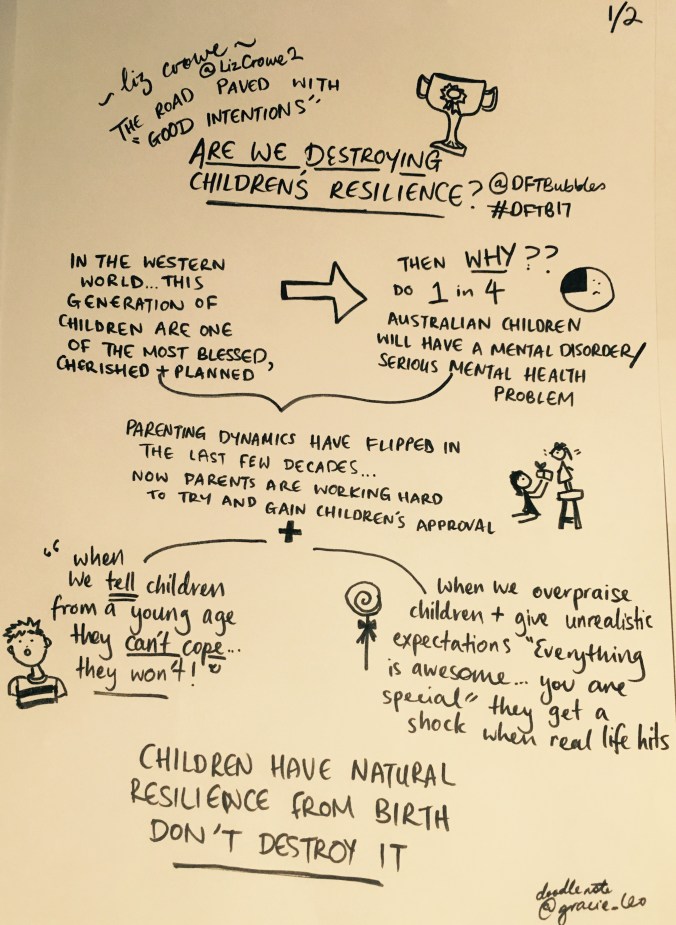
Doodles courtesy of Grace Leo.

Both work stress and financial stress were associated with a higher risk of acute myocardial infarction. The odds of myocardial infarction was 5.6 times higher in patients with moderate or severe work stress compared to those with minimal or no stress. Patients with significant financial stress had a 13-fold higher odds of having a myocardial infarction.
Small study with interesting findings.
The study, published in Biological Psychiatry: Cognitive Neuroscience and Neuroimaging, has the potential to radically reframe how researchers think about ADHD. “This study found evidence that clearly supports the idea that ADHD-diagnosed adolescents are not all the same neurobiologically,” said first author Dr. Michael Stevens, of the Olin Neuropsychiatry Research Center, Hartford, CT, and Yale University. Rather than a single disorder with small variations, the findings suggest that the diagnosis instead encompasses a “constellation” of different types of ADHD in which the brain functions in completely different ways.
Click here for the full article.
To illustrate the influence of social isolation and loneliness on the risk for premature mortality, Holt-Lunstad presented data from two meta-analyses. The first involved 148 studies, representing more than 300,000 participants, and found that greater social connection is associated with a 50 percent reduced risk of early death. The second study, involving 70 studies representing more than 3.4 million individuals primarily from North America but also from Europe, Asia and Australia, examined the role that social isolation, loneliness or living alone might have on mortality. Researchers found that all three had a significant and equal effect on the risk of premature death, one that was equal to or exceeded the effect of other well-accepted risk factors such as obesity.
Source: Social isolation, loneliness could be greater threat to public health than obesity — ScienceDaily
Get off your damn phone, get out of the house and go do something with your family and friends.
The condition also overlaps with obsessive compulsive disorder, obsessive compulsive personality disorder, and somatoform disorders. During the session, two case reports were presented. The first patient was a 72-year-old white Buddhist nun who presented with extreme weight loss. “You get afraid of eating because you don’t know what it’ll do to you,” said the patient in a video clip. “Eventually I was afraid to do anything, so I did nothing.”
Source: Orthorexia Nervosa: When ‘Healthy’ Eating Turns Dangerous
Some time ago I developed a fear of what would happen to me if I stopped drinking alcohol. So I did nothing.
Source: Spousal Suicide Ups Morbidity, Mortality in Surviving Partner and
Original JAMA Psych article is the second link.
The article has a link for the full HCHS data brief in pdf format.
About a third of patients noncompliant; some take other illicit drugs instead
Source: Urine Screens Show Patients Don’t Take ADHD Meds | Medpage Today
Getting rid of belongings is generally seen as positive, even healthy—but when the need becomes compulsive, it can be a sign of a life-consuming disorder.
Source: Compulsive Decluttering: The Opposite of Hoarding – The Atlantic
OCD variants – Compulsive Decluttering or Obsessive Compulsive Spartanism. Puts the Tiny House movement in a different light, no?


You must be logged in to post a comment.