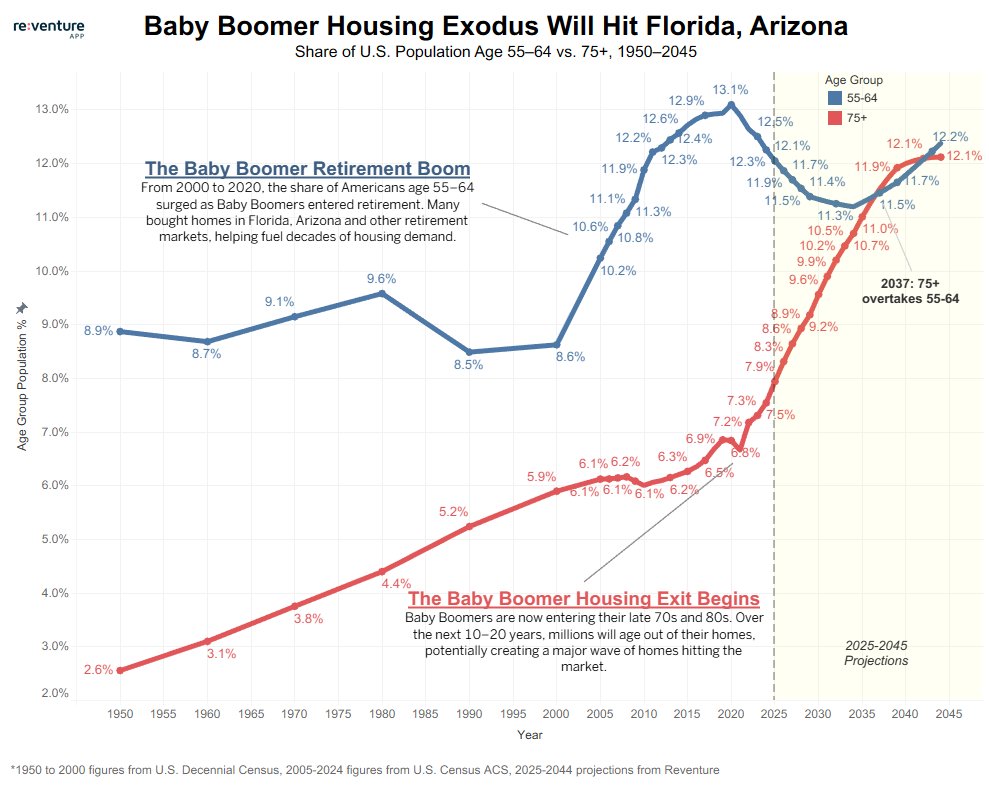
I bet you’re wondering why I think these charts are scary.
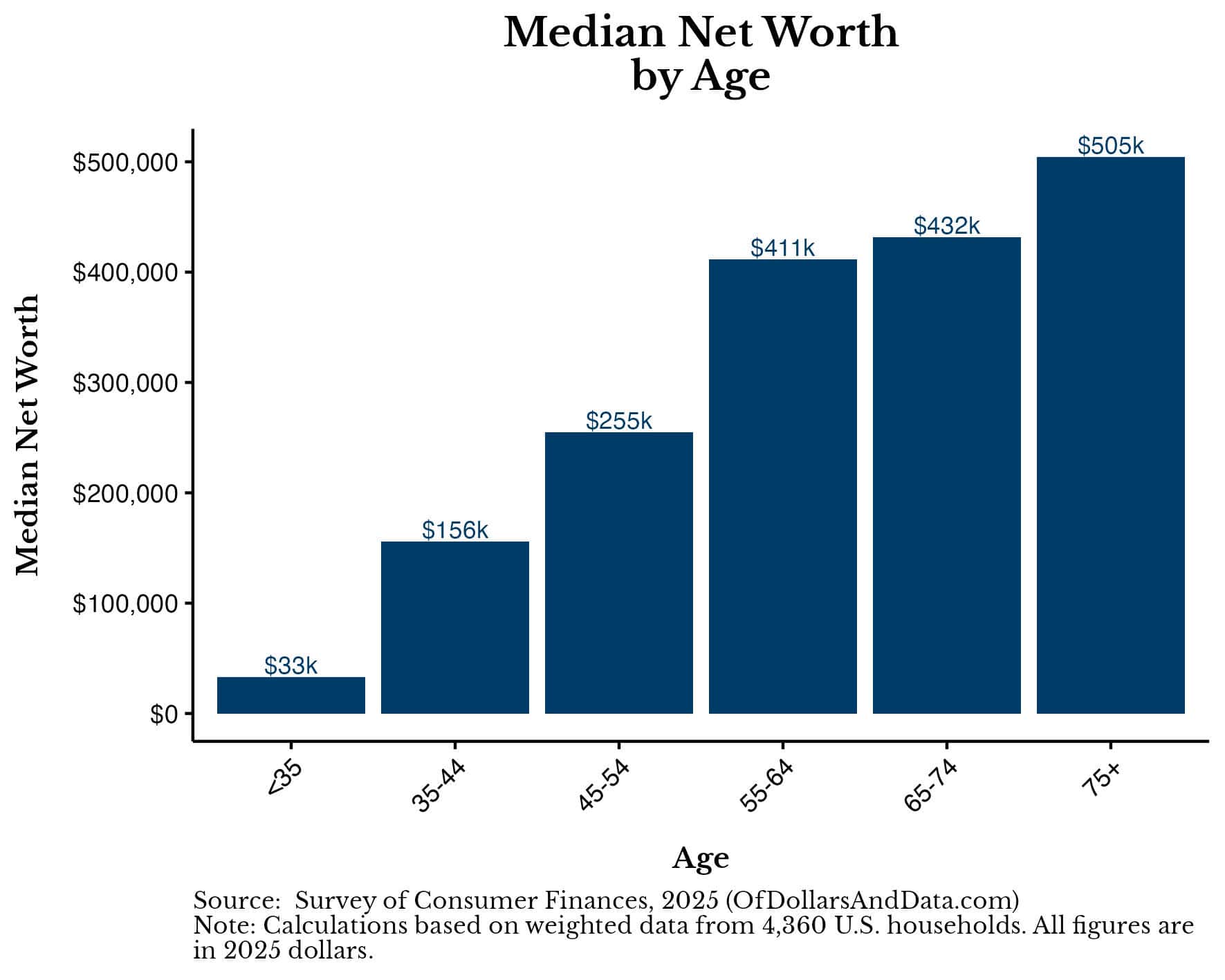
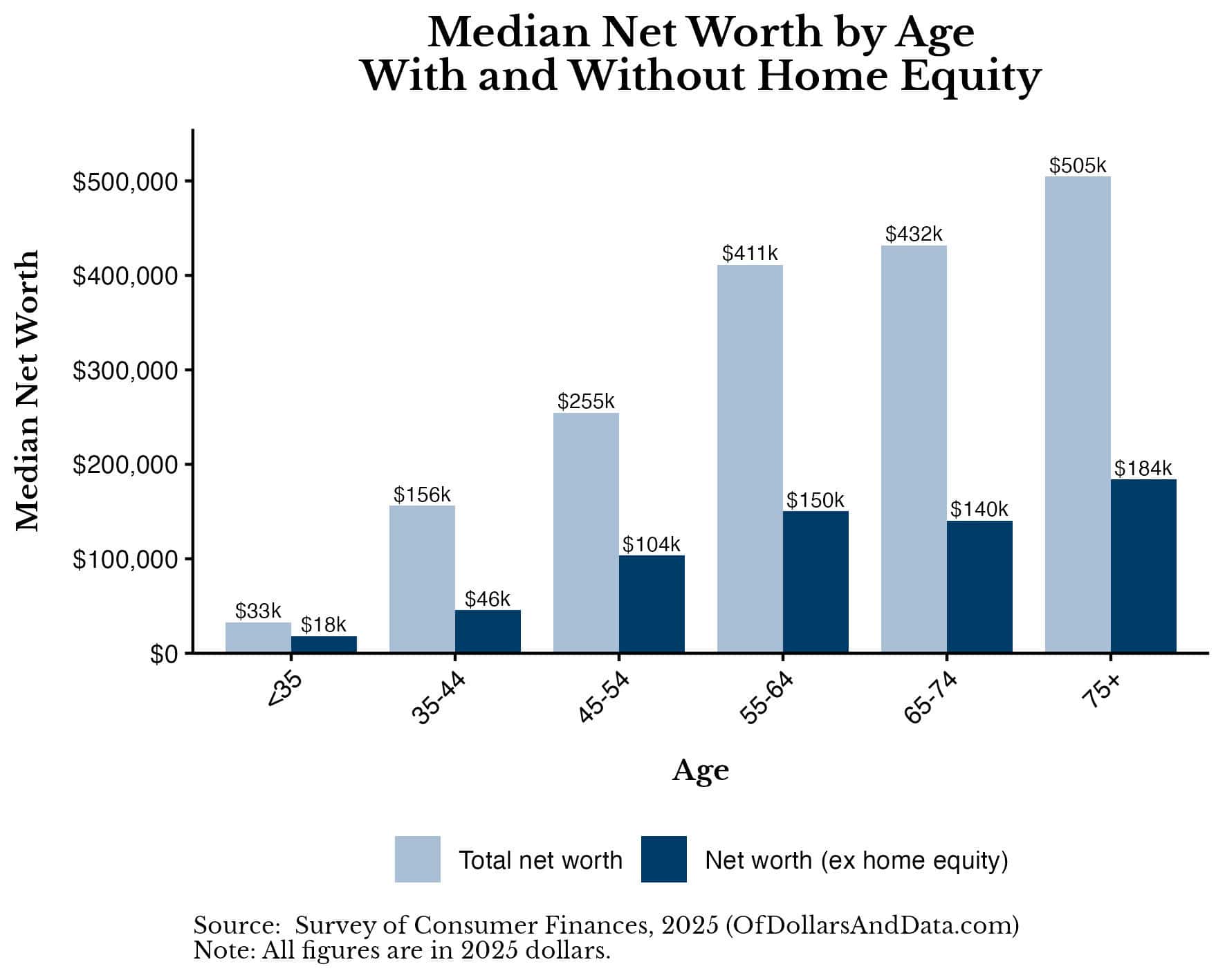
They are scary because housing has gotten very expensive and these charts show what owning or not owning a home does to wealth creation for the average person.
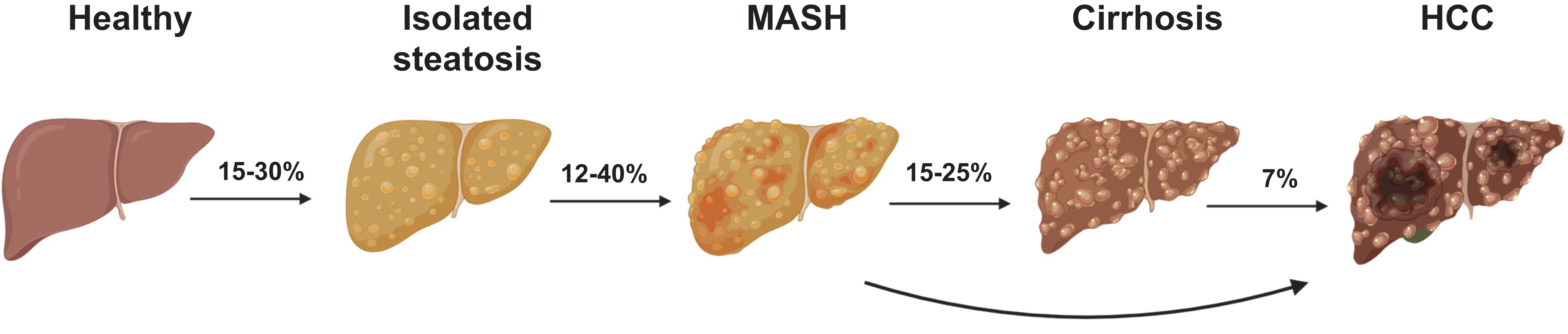
Worldwide, MASLD became the most common chronic liver disease, affecting up to 38% of the adult population (11). In addition, the global prevalence of MASLD is expected to further increase during the next two decades (12). For example, in the U.S., the prevalence of MASLD is predicted to increase from 34% (86 million people) in 2020 to 41% (122 million people) by 2050 (13). MASLD is an increasingly important contributor not only to liver-related but also to extrahepatic morbidity and mortality worldwide. This observation supports that the clinical burden of MASLD clearly extends far beyond the liver, making it a multisystem disorder. While among people with MASLD <10% develop liver-related complications, the major causes of death are CVD and cancer (11,14).
Today, the highest global pooled prevalence of MASLD is found among people with obesity (75% [95% CI 71–79]) (15) and type 2 diabetes (65% [61–68]) (16). Among people with obesity (34% [28–39]) and people with diabetes (32% [17–51]) there is also a very high prevalence of the advanced form of MASLD, metabolic dysfunction–associated steatohepatitis (MASH) (15,16). Furthermore, at 37% (95% CI 26–48), the prevalence of MASLD is also very high among children and adolescents with type 2 diabetes (17). This very early onset of MASLD may have severe long-term consequences for the liver, such as higher risk for cirrhosis and hepatocellular carcinoma (HCC). In addition, among adults with prediabetes prevalence of MASLD is approximately twofold higher in comparison with people with normal glucose regulation, independently of adiposity (18). The findings that overweight and hyperglycemia are tightly related to MASLD indicate that there are joint pathomechanisms promoting adiposity, hyperglycemia, and MASLD. Furthermore, hyperglycemia may promote hepatic steatosis and inflammation, and the steatotic and inflamed liver may also be involved in the pathogenesis of type 2 diabetes. Thus, there may be a vicious cycle between increased liver fat content and insulin resistance–associated hyperglycemia promoting the progression of both diseases.
The US Health and Human Services (HHS) and Department of Agriculture (USDA) issued new alcohol guidelines in January 2026 “Consume less alcohol for better overall health” and I take advice from my government seriously.
Walking is the most preferred PA mode for older adults [4] and increasing daily step count may reduce the presence of frailty. Observational research finds a dose-response relationship with higher daily step counts associated with lower frailty prevalence [5]. This relationship persists even among those with very low step counts (less than 3,000 per day) suggesting any increase in step counts may reduce frailty presence. Step counts can be increased by walking for longer durations or walking faster for the same duration. Observed as the 6th vital sign, gait speed is a key frailty indicator, as slow gait speed is one of the most frequently observed and prevalent criteria of frailty [6]. Since gait speed predicts mortality, falls, loss of independence, and cognitive decline [7], and is an important clinical metric of overall health [8], interventions which improve capacity to ambulate faster and over longer distances (e.g., a greater volume of activity) may be particularly therapeutic for those with frailty…
This is the first study to demonstrate that HIW can reverse frailty in older adults with frailty. After 16 weeks, HIW participants had significantly higher odds of improving at least one SHARE-FI frailty category compared to CSW participants. Numerous prior studies have investigated physical activity, multicomponent training, resistance exercise, and nutrition3,9 to improve capacity and physical function, rather than directly modifying the frailty syndrome. In a systematic review of 26 PA intervention studies for frailty, only one study used an aerobic intervention, and this study did not measure frailty as a primary outcome. [25]. In studies that have used frailty as a primary outcome, minimal benefit has been found. Huang et. al, found a 0.02 reduction in frailty index after 26 weeks of training twice-weekly at 70% of heart rate reserve, which did not meet the 0.03 threshold for clinical meaningful change in frailty index scores [26,27]. The combination of aerobic and resistive aerobic activities in our approach may have provided sufficient neuromuscular stimulus by increasing frequency and intensity of activity, despite a shorter intervention duration, to drive improvements in frailty category. Our study advances evidence for the optimal dose of therapeutic interventions for the frailty and provides clear evidence on the substantial benefits of high-intensity walking to decrease and reverse frailty among those with existing frailty. Our approach, which incorporated some resistance elements into aerobic training, was distinct.
Citation: Danilovich M, Rubin DS, Conroy DE, Diaz L, Cheung Y, Corcos D, et al. (2026) A high intensity vs. casual speed walking intervention to reverse frailty among older adults: a cluster randomized controlled trial. https://journals.plos.org/plosone/article?id=10.1371/journal.pone.0357605
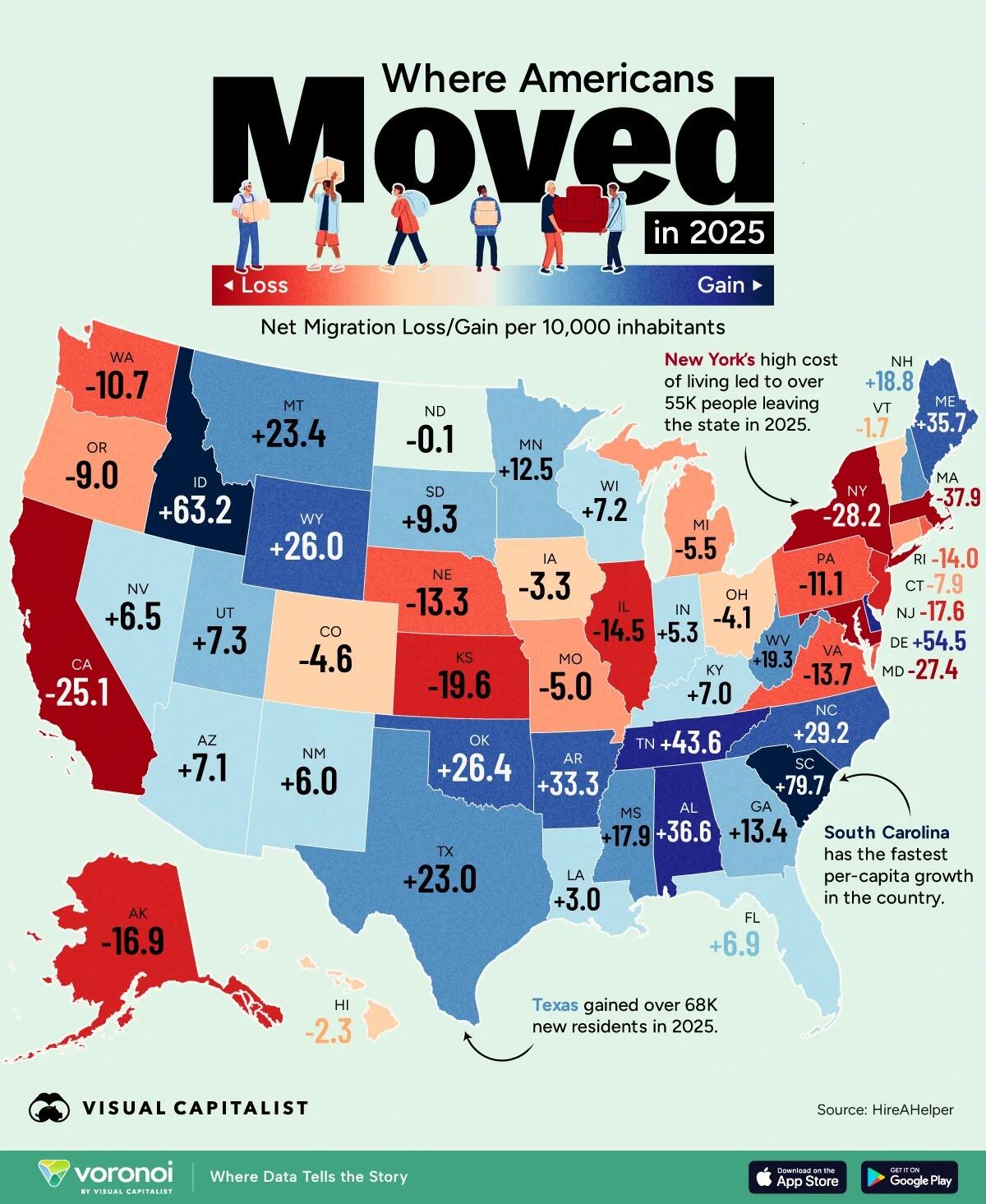
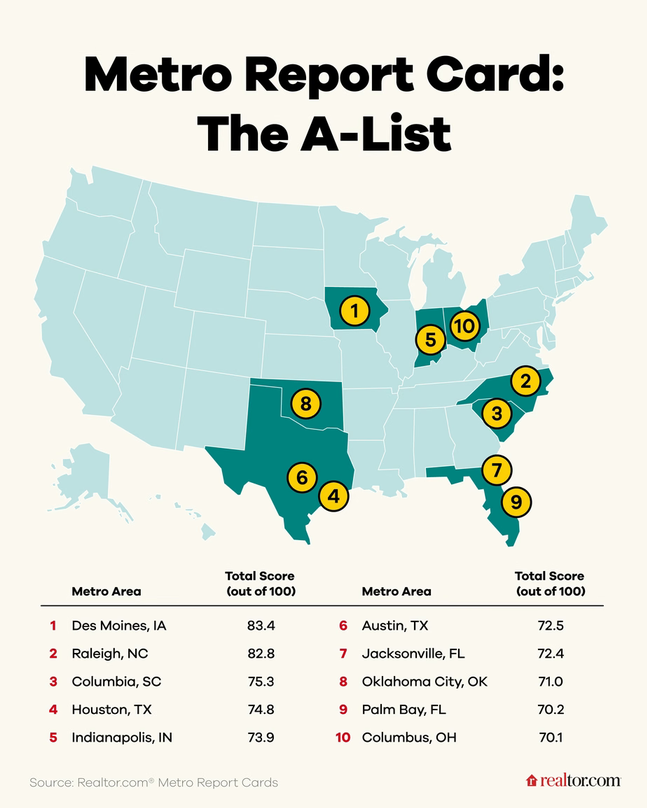
Cost of living continues to be one of the most powerful forces shaping where Americans choose to move. In 2025, the relationship between affordability and migration was especially clear: states that offered lower everyday expenses consistently attracted more new residents on a per-capita basis. Oklahoma, Mississippi, and West Virginia rank as the three least expensive states to live in, and all three landed within the top 15 states for net migration per 10,000 residents. Their performance reinforces the idea that when housing, utilities, and daily necessities remain accessible, people are far more willing to relocate. The 2026 HireAHelper Moving Migration Report – https://www.hireahelper.com/moving-statistics/migration-report/2026/
Another quiet Saturday and thoughts turn to retirement (again). Today I thought about retirement income streams and how life would look once I stopped working. We need to find someplace affordable.
In California, Hawaii, and Massachusetts, retirees often need between $1.5 million and $2.2 million to maintain their lifestyles, according to a 2026 study by GoBankingRates. By contrast, Oklahoma is the most affordable state, with $735,284 the baseline for a comfortable retirement. Mississippi and Arkansas follow closely, with targets remaining under $810,000. What Is the Magic Number to Retire Comfortably? – https://www.kiplinger.com/retirement/magic-number-to-retire-comfortably
OK. Check that box off the list. My thoughts then turned towards what age would be a good age to retire. My former manager wanted me to stick around for five years. The last time I saw my current manager he told me a story of his grandfather working until he was 80. You hear stories of more people working into their later years and I wondered, at what age do people really retire?
This is another post in the never ending series of random thoughts on retirement. For the curious, here’s a link to my previous posts full of random thoughts (brain droppings): https://lifeunderwriter.net/tag/retirement/.
I am writing this on Father’s Day, the fourth day of a four day weekend and I’m ready to go back to work. It’s tough being an Old Guy who is old enough to be retired but isn’t retired and still working. Some days I wonder why I’m not retired. I guess this is all part of my living a longer healthier life strategy.
Social connection, prosociality, spirituality, optimism, and work—growing evidence suggests these five factors can play an important role in improving the well-being of people and communities…Work is one of the most important—and neglected—social determinants of health, according to Lisa Berkman, Thomas D. Cabot Professor of Public Policy and of Epidemiology at Harvard Chan School and director of the Harvard Center for Population and Development Studies. “Work drives income, social ties, and the opportunity for meaningful participation in society,” she said. “As such, it also shapes both our cognitive and physical health in many different ways.” The importance of connections: Ways to live a longer, healthier life – https://hsph.harvard.edu/news/the-importance-of-connections-ways-to-live-a-longer-healthier-life/
The optimism factor is interesting.
“The findings are remarkably consistent,” she said. “Across different racial and ethnic populations, we have seen that people who are more optimistic are more likely to age in good health and less likely to suffer from chronic diseases, physical illness, or cognitive impairments in old age. Optimists are also more likely to live exceptionally longer lives, beyond age 85 or more.”
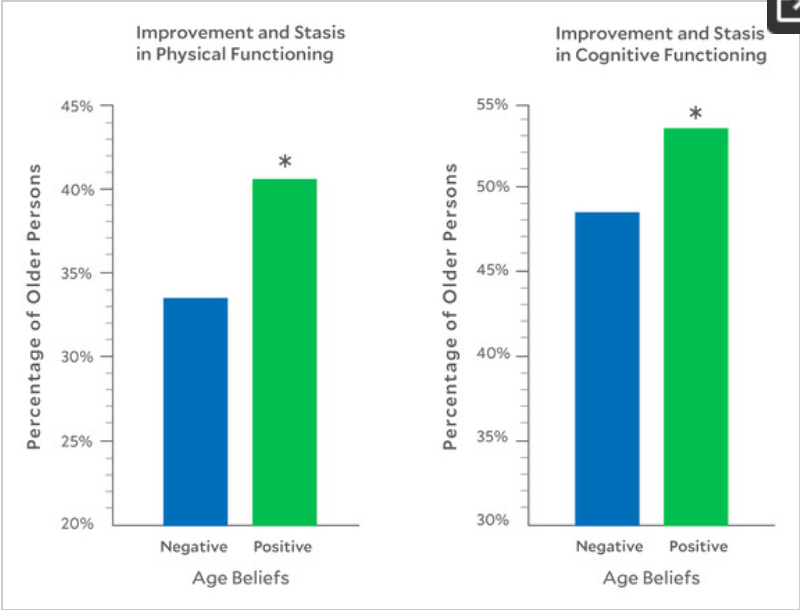
Aging Redefined: Cognitive and Physical Improvement with Positive Age Beliefs
Background/Objectives: A widespread assumption exists among scientists, health care providers, and the public that later life is a time of inevitable and universal cognitive and physical decline. This assumption is likely due to considering older persons who improve to be exceptions, and the reliance on aging-health measures that do not allow for improvement. In contrast, we utilized a measure that allowed for an upward trajectory to occur. Our objective was to examine whether a meaningful number of older persons improve with this measure and, if so, to examine whether a promising modifiable culture-based variable, positive age beliefs, contributes to this improvement. Methods: Individuals 65 years and older, who participated in a nationally representative longitudinal study, had their physical health assessed by walking speed and their cognitive health assessed by a global performance measure. We calculated the percentage of the sample that showed improvement in each domain from baseline to the last measurement up to 12 years later. We also examined whether a positive-age-belief measure predicted this improvement in regression models. Results: It was found that 45.15% of persons improved in cognitive and/or physical function over this period, and positive age beliefs predicted these two types of improvement, both with and without adjusting for relevant covariates. Conclusions: Our findings underscore the need to instill or magnify the positivity of age beliefs and to redefine aging so that it includes the possibility of improvement.
In sociology this phenomenon is known as a self-fulfilling prophecy.
My interviews with Howard Marks, Chairman of Oaktree Capital, and famed for his “Chairman’s Memos,” were instructive.1 The first time he mentioned his good fortune, I pushed back, asking, “What about intelligence, hard work, and perseverance?”
His answer:
“Everybody in my MBA class at the University of Chicago was very smart and very hard working. But hard work and intelligence are mere table stakes. Not everybody has fortune smile on them; not everybody gets lucky.”
Yes dear reader, yet another post in the never ending series of random thoughts on retirement. For the curious, here’s a link to some previous posts https://lifeunderwriter.net/tag/retirement/. I am an Old Guy who is old enough to be retired but isn’t retired and still working. After many mornings spent in deep contemplation and many posts where I think out loud I’ve finally accepted my fate and come to a deeper understanding of why I do what I do.
I’ve spent a lifetime working in risk management. Finally, the light bulb came on.
I am actively managing my longevity risk. It’s what I do. I manage risks.
The majority of our friends are retired. I’m always asked when I’m going to retire. My answer was always “Don’t know”. I subsequently modified my response to “Two to four years”. This has been my answer for the past two years. But now when someone asks when I will retire, my answer will be:
I am managing my longevity risk. I am managing future inflation risk.
Imagine you retire at 65, feeling confident. You’ve budgeted $80,000 a year to live comfortably — travel, dining out, covering healthcare, the works.
Fast-forward 25 years.
At age 85, you’re still spending about $80,000 a year … but that no longer buys what it used to.
That nice dinner out that cost $100 now costs about $210
A $5,000 annual vacation is now closer to $10,500
Groceries that ran $10,000 a year are now over $21,000
In other words, your $80,000 lifestyle now costs roughly $168,000 to maintain.
Ghilarducci is spot on with her assessment. My plan on working longer wasn’t really a plan so much as it was a set of assumptions. Everything had to go as “planned” or forget about working longer. The two major variables were continued good health and finding an employer that values older workers.
I got lucky. My illusion is working (pun intended).
The results, published in Annals of Internal Medicine, were based on 4,746 adults between ages 55 and 75. All had overweight or obesity and metabolic syndrome, but none had diabetes or cardiovascular disease at the start of the study. Researchers followed participants for six years to see whether a more intensive Mediterranean based lifestyle plan could offer stronger protection against type 2 diabetes than the traditional Mediterranean diet alone.
One group followed a calorie reduced Mediterranean diet (about 600 kcal fewer per day), added moderate physical activity (brisk walking, strength and balance training), and received professional guidance. The comparison group followed a traditional Mediterranean diet without calorie restriction or exercise advice.
The difference between the two approaches was striking. Participants in the intervention group were 31% less likely to develop type 2 diabetes than those in the comparison group. Universidad de Navarra. “Scientists found a smarter Mediterranean diet that slashes diabetes risk by 31%.” ScienceDaily. https://www.sciencedaily.com/releases/2026/05/260519003103.htm (accessed May 23, 2026).
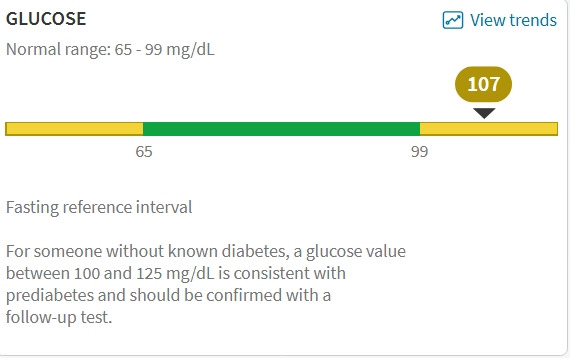
I just had my annual wellness check and got my lab results. All good except my fasting glucose.
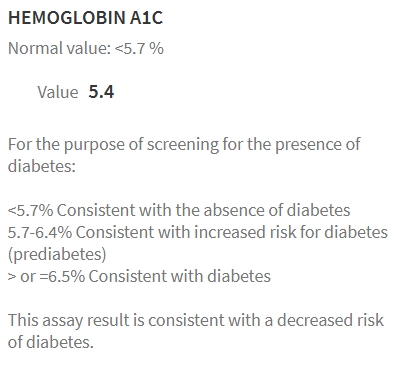
Yikes. Memo to Self, get an A1C. Well, the very next day…
Doc says:
CMP (Comprehensive Metabolic Panel): Your creatinine (a measure related to kidney function) is low, and your blood sugar (glucose) is high; all other values are normal. This test checks how your kidneys and liver are working, your body salts, proteins, and blood sugar. Low creatinine can happen in people with less muscle and may be expected. The slightly high fasting blood sugar could indicate early changes in how your body handles sugar. Options include repeating the blood sugar test next visit.
I know my diet could be better. I know I should eat less, snack less and maybe, just maybe stop drinking beer. But also knowing my IFG is worsening I wondered if there was a diet (besides MedDiet) for IFG?
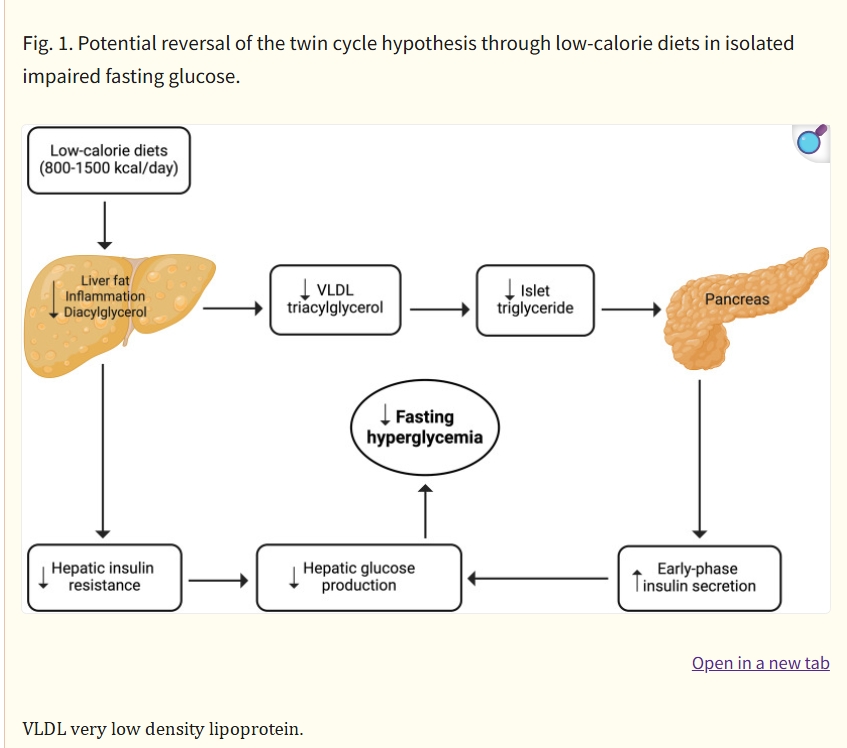
In recent years, low-calorie diets ranging from 800–1500 kcal/day have gained significant attention in managing type 2 diabetes8,16–19. Studies have shown that low-calorie diets can lead to remission and substantial improvements in cardiometabolic risk factors for a significant proportion of individuals with type 2 diabetes8,16–19. These diets are generally well-tolerated and safe, with only mild side effects reported. Table 1 summarizes the key low-calorie diet studies conducted in people with type 2 diabetes8,16–19. Studies implementing low-calorie diets over a 2–5 month period, primarily high in protein and low in fat, have resulted in a mean weight loss of 7–15 kg (8–15% of initial body weight). This level of weight loss was accompanied by a notable reduction in hepatic fat and improved hepatic insulin sensitivity and first-phase insulin secretion. As a result, fasting plasma glucose levels decreased significantly by 27.8 to 43.2 mg/dL. This suggests that low-calorie diets may also be effective for individuals with i-IFG, as they target the pathophysiological defects characterizing this prediabetes phenotype8,16–19. Figure 1 visually depicts the potential reversal of the twin cycle hypothesis through low-calorie diets in individuals with i-IFG. The twin cycle hypothesis20 postulates that chronic excess calorie intake results in increased accumulation of fat in the liver, leading to resistance against insulin’s suppression of hepatic glucose production. Additionally, excess liver fat increases lipid transportation to the pancreas, impairing β-cell function and further promoting hepatic glucose production. These self-reinforcing cycles between the liver and pancreas ultimately result in the onset of hyperglycemia.
Low-calorie diets for people with isolated impaired fasting glucose – Commun Med (Lond) . 2024 Mar 1;4:35. doi: 10.1038/s43856-024-00466-2
You can’t optimize everything. Mistakes will be made and are part of life. Sub-optimal for whatever you are chasing will be the end result because perfection is impossible.



You must be logged in to post a comment.