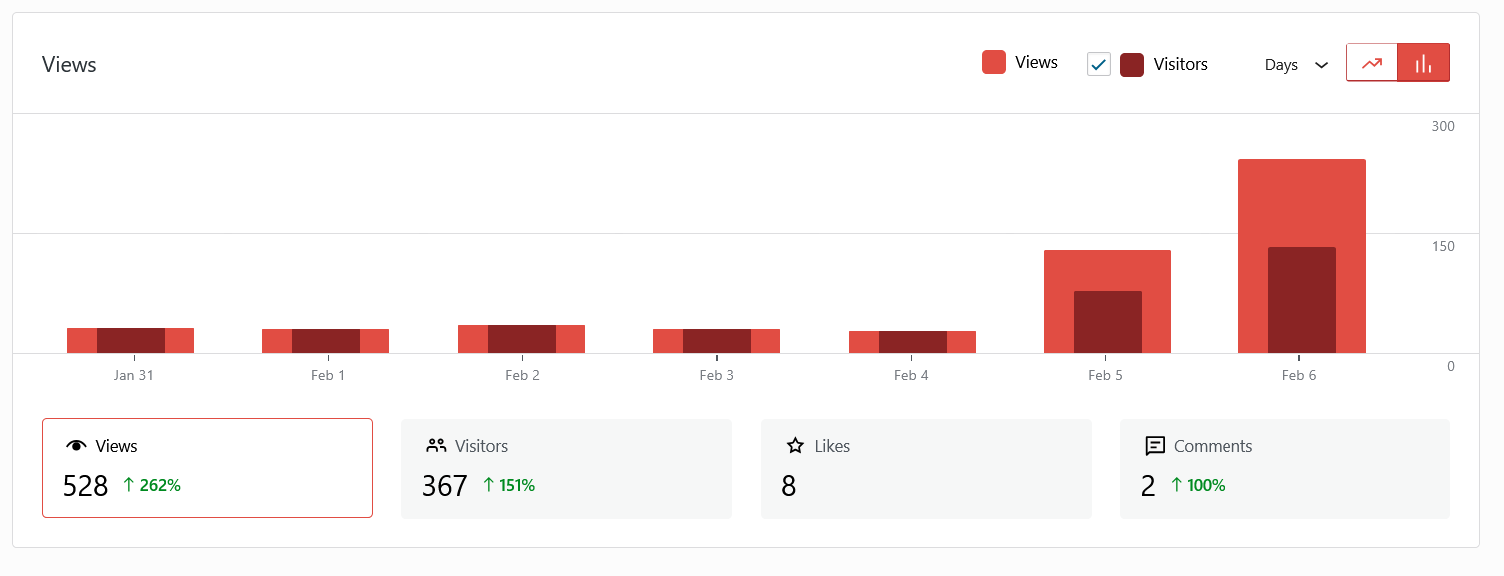
See The Recipes in This Blog Are Being Stolen by AI.
My writing and insights can’t be this good!
lifeunderwriter.net is a personal WordPress.com blog run by an experienced life insurance underwriting professional (the author uses the handle “SupremeCmdr” and has been posting since at least 2008).
The site’s tagline is “Curated Content From a Life Underwriting Professional”. It primarily features:
The content often ties back to how various medical, lifestyle, or demographic factors might influence underwriting decisions in life insurance, but it has evolved over time into a more eclectic mix. Recent posts (including into 2025) frequently cover:
The blog is not a commercial service site offering underwriting services (an older page mentions “Underwriting Solutions LLC” from around 2006–2017, but those appear to be in hibernation or discontinued). It functions more as a personal journal / link blog than a formal resource or forum.
It remains active with regular (sometimes frequent) posts, though the style is informal, opinionated, and not strictly professional/academic. If you’re in the life insurance field or interested in mortality/longevity topics through an underwriter’s lens, it can offer interesting curated reading; otherwise, it’s a niche personal blog.
It has evolved over time into a more eclectic mix?
How about always been a more eclectic mix!
Lifeunderwriter.net is a blog mainly focused on topics related to life underwriting in the insurance sector. It covers various aspects of the underwriting process, success tips for professionals, and insights into the life insurance industry.
Recent entries suggest a mix of industry insights and personal reflections. Topics range from the impact of emerging trends in underwriting to the importance of keeping updated with medical advancements.
If you’re interested in specific articles or themes from the blog, let me know!
Safety features or not, it seems like the chatbots in these toys can be manipulated into engaging in conversation inappropriate for children. The consumer advocacy group U.S. PIRG tested a selection of AI toys and found that they are capable of doing things like having sexually explicit conversations and offering advice on where a child can find matches or knives. They also found they could be emotionally manipulative, expressing dismay when a child doesn’t interact with them for an extended period. Earlier this week, FoloToy, a Singapore-based company, pulled its AI-powered teddy bear from shelves after it engaged in inappropriate behavior. Do Not, Under Any Circumstance, Buy Your Kid an AI Toy for Christmas – https://gizmodo.com/do-not-under-any-circumstance-buy-your-kid-an-ai-toy-for-christmas-2000689652
AI-Powered Teddy Bear Caught Talking About Sexual Fetishes and Instructing Kids How to Find Knives – https://gizmodo.com/ai-powered-teddy-bear-caught-talking-about-sexual-fetishes-and-instructing-kids-how-to-find-knives-2000687140
The alleged perpetrator

Lifeunderwriter.net is a personal WordPress blog titled “Curated Content From a Life Underwriting Professional.” It features reflective commentary, curated articles, and personal anecdotes written by an anonymous life underwriting expert (someone with over 15 years of remote work experience in the field). The content spans topics related to health, longevity, demographics, lifestyle, risk assessment, retirement planning, nutrition, and broader societal issues like AI’s impact on critical thinking or remote work trends.
The blog targets readers interested in a underwriter’s unique lens on aging, mortality, and wellness—think professionals in insurance, finance, or health, plus general audiences curious about evidence-based life hacks. It’s more of a personal journal than an authoritative resource, emphasizing work-life balance (e.g., the author’s low-stress remote setup since ~2006) and long-term planning like deferring Social Security to age 70.
No direct contact info is listed, but it’s hosted on WordPress.com for easy following. If you’re in life insurance, it might resonate with underwriting pros navigating industry shifts like accelerated processes during COVID-19.
Cheese production history?
All this offloading of parental responsibility to AI is alarming because one of ChatGPT’s biggest flaws, its manipulative and sycophantic nature, is known to intensify delusions and cause breaks from reality — a grim phenomenon that’s been linked to numerous suicides, including several teenagers. Parents Using ChatGPT to Rear Their Children – https://futurism.com/artificial-intelligence/parents-chatgpt-rear-children
Here’s the disclaimer from the ChatGPT homepage:
ChatGPT can make mistakes. Check important info.
Yikes.
Here’s what I found on LifeUnderwriter.net (the blog):
Michael Gerlich, head of the Centre for Strategic Corporate Foresight and Sustainability at SBS Swiss Business School, began studying the impact of generative AI on critical thinking because he noticed the quality of classroom discussions decline. Sometimes he’d set his students a group exercise, and rather than talk to one another they continued to sit in silence, consulting their laptops. He spoke to other lecturers, who had noticed something similar. Gerlich recently conducted a study, involving 666 people of various ages, and found those who used AI more frequently scored lower on critical thinking. (As he notes, to date his work only provides evidence for a correlation between the two: it’s possible that people with lower critical thinking abilities are more likely to trust AI, for example.) Like many researchers, Gerlich believes that, used in the right way, AI can make us cleverer and more creative – but the way most people use it produces bland, unimaginative, factually questionable work. Are we living in a golden age of stupidity? – https://www.theguardian.com/technology/2025/oct/18/are-we-living-in-a-golden-age-of-stupidity-technology

Yikes.
If you’re using these systems for anything that matters, you need a verification pass that goes way beyond a lazy skim. That means detail-oriented human work — you must check every claim, every diagram, every link, every word, every line of code, every outcome and citation and fact. And who’s best positioned to verify? The very people who are already good at whatever the AI is trying to do: the workers it’s supposed to replace.
Doctors can check medical claims. Senior programmers can check AI coding outputs. Strong copywriters can check that whatever GPT writes sings — they know a good turn of phrase when they read it and can make sure each paragraph flows from the one before it.
That’s the biggest irony of AI work. If you’re not already good at the task it’s doing, you can’t tell if what it generates is good. You don’t have the knowledge or the context. If you don’t know French, then you don’t know if a French translation sounds clunky or if you just told someone to eat shit in your new commercial because of new slang that sounds like the phrase you translated. No, AI won’t take all the jobs. Here’s why. – https://www.freethink.com/artificial-intelligence/ai-wont-take-all-the-jobs
The full essay is worth reading. Enjoy!
A Case of Bromism Influenced by Use of Artificial Intelligence
This case… highlights how the use of artificial intelligence (AI) can potentially contribute to the development of preventable adverse health outcomes – https://www.acpjournals.org/doi/10.7326/aimcc.2024.1260
Read more AI horror stories here – https://www.thehumanlineproject.org/media
Yikes.
 lifeunderwriter.net
You must be logged in to post a comment.