Men Are Bad at Retirement

When envisioning retirement, many men imagine traveling, playing with grandchildren and driving that sexy convertible they can finally afford. The reality? For those over 70, 94% of adults watch television every day, with nearly 10% spending more than nine hours a day staring at the shows.

Men die earlier, with an average life expectancy of 73.5 years, according to a 2021 study. That’s about five years earlier than women in the U.S. One study found that men who considered themselves “traditional” men — unemotional and self-reliant — were more likely to ignore medical problems, and suffered worse health outcomes than women. And the problem gets worse as they get older. About 74% of men 55 and older go to the doctor for an annual check-up, compared to 43% of men age 35-54 and 26% of men age 18-34. Why So Many Men are Bad at Retirement https://getpocket.com/explore/item/why-so-many-men-are-bad-at-retirement?

This is an interesting article. Just more reasons why I’m not retired.

Retire. Watch TV all day long. Repeat.

Yikes.

There Are Health Related Benefits to Working Past Age 65

“Our perceptions of working after age 65 have changed over time, and these data suggest that most older adults who are still able to work after the traditional retirement age derive health-related benefits from doing so,” said poll director Jeffrey Kullgren, M.D., M.P.H., M.S., a primary care physician at the VA Ann Arbor Healthcare System and associate professor of internal medicine at U-M. “As we learn more about how loneliness, lack of social connection and isolation intertwine with physical and mental health in older adults, the role of work is important to consider.”Michigan Medicine – University of Michigan. “As more Americans work later in life, poll shows positive health impacts, especially for those over 65.” ScienceDaily. http://www.sciencedaily.com/releases/2025/02/250211141049.htm (accessed February 12, 2025)

National Poll on Healthy Aging Team. The Intersection of Work, Health, and Well-Being. University of Michigan National Poll on Healthy Aging. January/February 2025. Available at https://dx.doi.org/10.7302/25186

An unexpected event in which an individual comes to rest on the ground, floor, or lower level

A fall is defined as an unexpected event in which an individual comes to rest on the ground, floor, or lower level.1 Falls are a leading global health challenge, ranking as the second cause of death from unintentional injuries.2 Over 80% of these fatalities occur in low-income and middle-income countries, with the highest mortality rates observed among individuals aged 60 years and older.3 WHO emphasises environmental and health-related gaps contributing to fall-related mortality, such as limited access to the health-care system and inadequate infrastructure.2 However, the implementation of fall prevention strategies in low-income countries (LICs) and some middle-income countries (MICs) is often hindered by challenges such as data scarcity, inadequate health-care infrastructure, and limited resources.2 In contrast, several high-income countries (HICs) such as Denmark, Switzerland, and Austria found persistently low or even declining rates of fall-related mortality, despite an ageing population.4 Investigating the underlying factors contributing to these trends in HICs is crucial, as it not only provides valuable insights into effective prevention strategies but also serves as a basis for adapting such approaches to resource-constrained settings like LICs and MICs. – Temporal trends and patterns in mortality from falls across 59 high-income and upper-middle-income countries, 1990–2021, with projections up to 2040: a global time-series analysis and modelling studyhttps://www.thelancet.com/journals/lanhl/article/PIIS2666-7568(24)00198-3/

Second cause of death from unintentional injuries.

Remember this the next time you underwrite a case where the applicant is my age. Yikes.

How To Feel Young at 70 (you read articles like this one)

Sofiya Milman is director of Human Longevity Studies at the Institute for Aging Research at Albert Einstein College of Medicine. She studies people known as “superagers” —95 and older. “As a group, they have a very positive outlook on life” and are notably resilient, like Jaffe, she told me.

Qualities associated with resilience in older adults include optimism and hopefulness, an ability to adapt to changing circumstances, meaningful relationships, community connections, and physical activity, according to a growing body of research on this topic. A Centenarian Thrives Living Alone, Active and Engaged https://kffhealthnews.org/news/article/centenarian-thrives-living-alone-older-adults/

Hilda Jaffe 102 lives alone and is thriving.

I need to improve my level of physical activity if I want to become a superager.

Alcohol and Nocturnal Leg Cramps (NLC)

I just discovered another reason to Drink Less Alcohol When You Get To My Age.

We identified an association between alcohol consumption and nocturnal leg cramps among patients aged 60 years and older attending general practices. These findings have implications for the prevention of cramps. Association Between Alcohol Consumption and Nocturnal Leg Cramps in Patients Over 60 Years Old: A Case-Control Studyhttps://www.ncbi.nlm.nih.gov/pmc/articles/PMC6037509

Add this to the list of things that happen when you get older.

An Extended Period of Wandering

Now, I’m ‘no one,’ a retired, forgotten old man who dithers away the days.

”Depression can ensue, fueling excessive alcohol use, accidents, or, in the most extreme cases, suicide. Of all age groups in the United States, men over age 75 have the highest suicide rate, by far. Older Men’s Connections Often Wither When They’re on Their Own https://kffhealthnews.org/news/article/older-men-connections-isolation-loneliness-navigating-aging/

At the minimum I have a plan. Sell the house, buy a van and do an upscale conversion so I can sleep in it. Travel. Spend time in Oklahoma and Colorado.

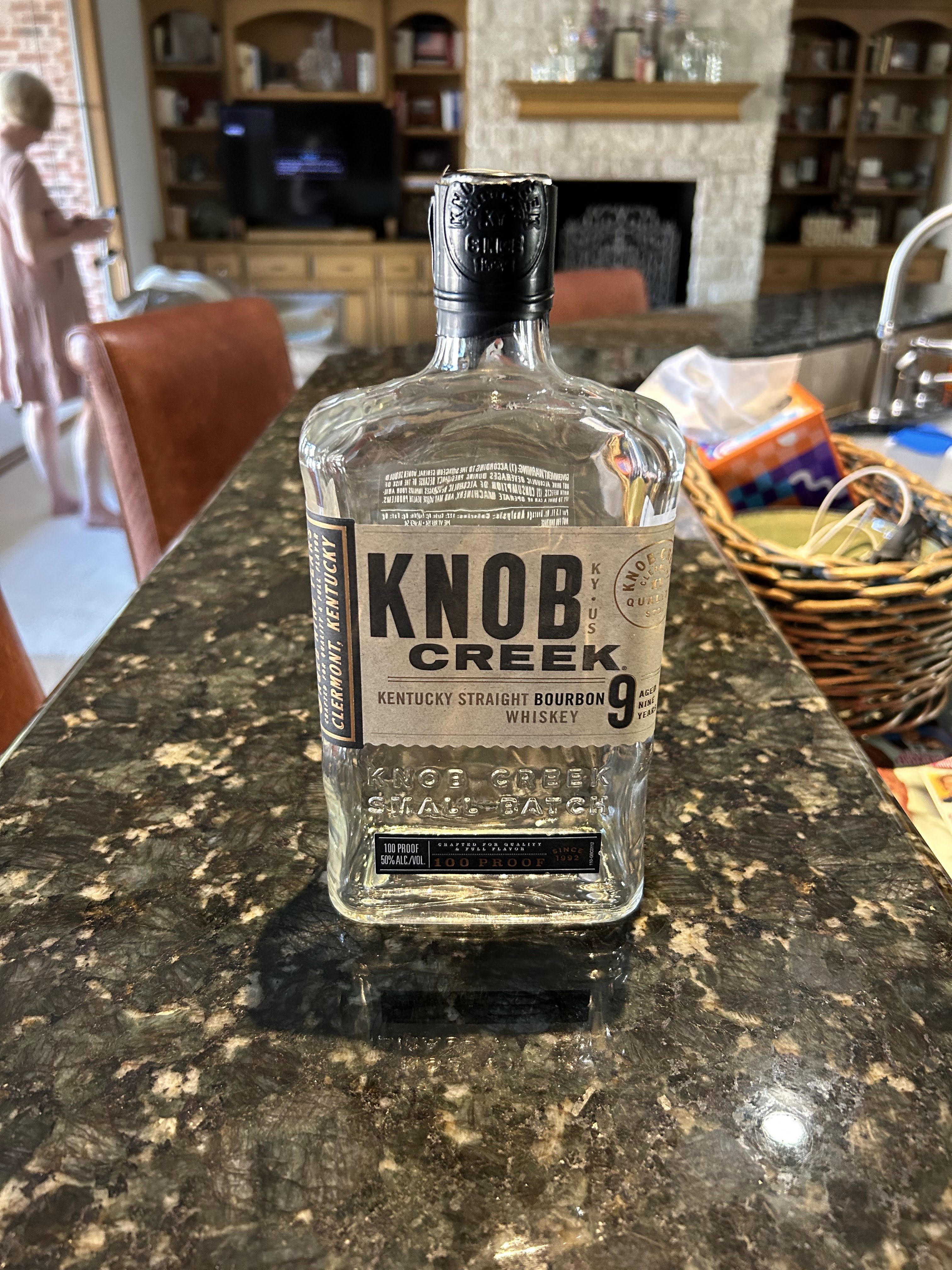
Drink more Knob Creek (not when driving).

OOPS. Didn’t wait until the unthinkable.

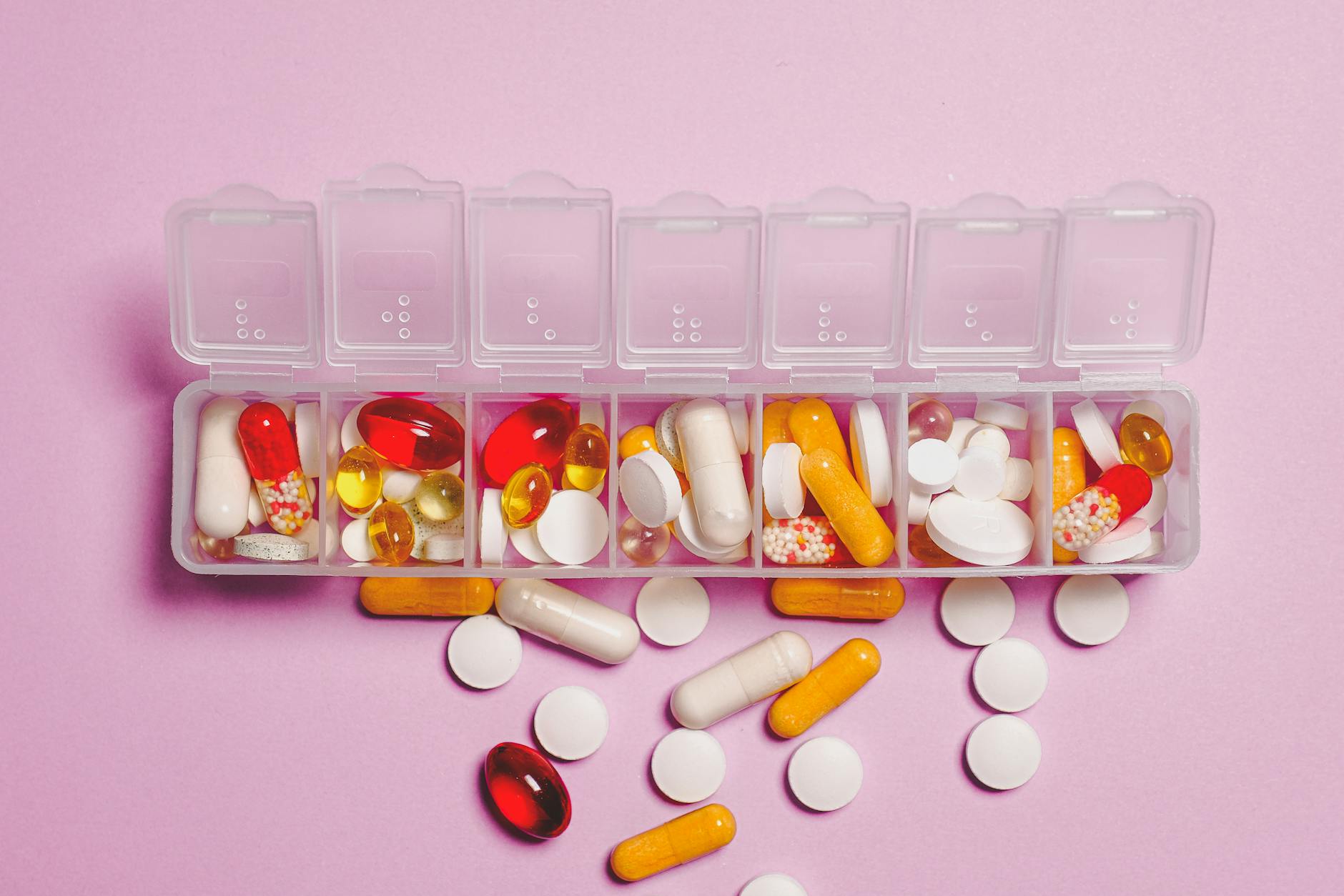
The More Drugs You Take…(fill in the blank)

This was a retrospective longitudinal cohort study of adults aged 60 years and older.

An increase in polypharmacy severity was significantly associated with a higher likelihood of all-cause hospitalization within 1 year, but not a hospitalization related to IBD. Use of a PIM (potentially inappropriate medication) was also associated with a higher probability of all-cause hospitalization compared with patients without. Hospitalization Risk in Older Adults With IBD Associated With Severe Polypharmacyhttps://www.gastroenterologyadvisor.com/news/hospitalization-risk-in-older-adults-with-ibd-associated-with-severe-polypharmacy/

Photo by Anna Shvets on Pexels.com

Metformin and Aging (great news if you’re a monkey)

Metformin has been used for more than 60 years to lower blood-sugar levels in people with type 2 diabetes — and is the second most-prescribed medication in the United States. The drug has long been known to have effects beyond treating diabetes, leading researchers to study it against conditions such as cancer, cardiovascular disease and ageing…

The researchers observed that the drug slowed the biological ageing of many tissues, including from the lung, kidney, liver, skin and the brain’s frontal lobe. They also found that it curbed chronic inflammation, a key hallmark of ageing. The study was not intended to see whether the drug extended the animals’ lifespans; previous research has not established an impact on lifespan2 but has shown lengthened healthspan3 — the number of years an organism lives in good health. The brain aged more slowly in monkeys given a cheap diabetes drug https://www.nature.com/articles/d41586-024-02938-w

Small sample size, just 12 monkeys.