Bob MacDonald on What’s So Hard about Doing the Right Thing?

In the abstract it is easy to say that doing the right thing is – at the very least – reporting the improper activity. But what if your report seems to be ignored? Are you off the hook and have no further responsibility? Even worse, if you do report it and your boss survives with nothing more than a reprimand, what might this do to your personal well-being and your future with the company? In theory, of course, you could quit your job and find another; but in this economy, is that possible? Is now the right time to put you and your family’s financial future at risk? You could go halfway and say nothing while you look for another job, but is that the right thing to do?  This type of enigma is not an academic exercise. Anyone who has ever been in the business world, with ambitions to be successful and rise up the pyramid and support a family knows this type situation – and a wide variety of others – is more reality than theory. The real questions are: At what point are you willing to dilute or even trade in “doing the right thing,” to protect your career by “going along to get along”? At what point do you break and become willing to rationalize the elements of “doing the right thing?”

via What’s So Hard about Doing the Right Thing?.

Bob’s right.  Read his entire blog post to understand why it is not easy to do the right thing.  Thanks Bob and please keep writing and sharing.

Spot the Lesion

Movin’ Meat: Case of the day

Spot the Lesion – MedPage Today Blogs – 27989

While the NEJM Image Challenge is challenging, the blog I’ve linked to is much more informative and educational.  Click the first link for the patient pictures and problem description.  The second link provides the answer and the physician’s deductive reasoning.

This post is dedicated to the medical student in my life who starts his Neurology block later this year.

Thought for Today – 7/31/11

Dani Rodrik’s weblog: The great divergence, the other way around

Dani Rodrik’s weblog: Will the divergence in growth result in eventual convergence in incomes?

Dani Rodrik, Professor of International Political Economy at Harvard University, is the author of The Globalization Paradox: Democracy and the Future of the World Economy.  HT to Mark Thoma at his blog Economist’s View.

I have no further comment on this topic because there is a lot to think about here.

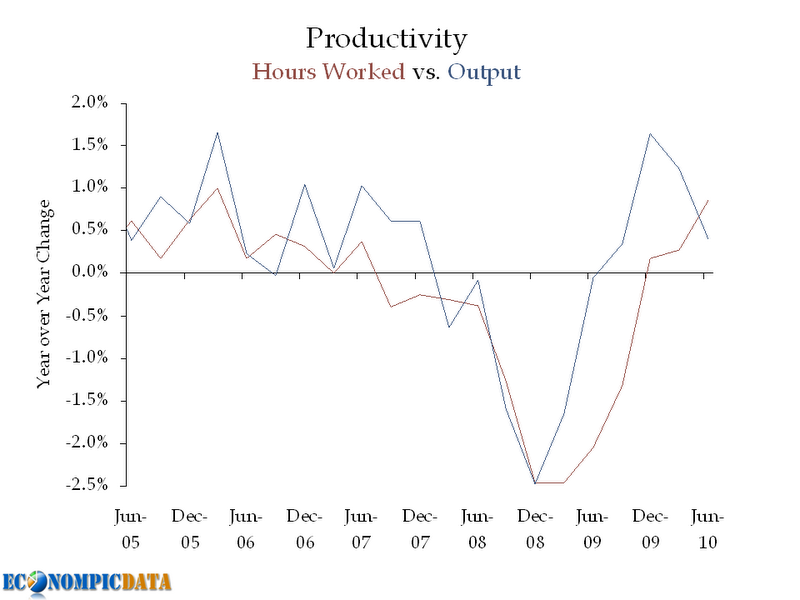
Interesting and possibly scary chart

Change or Die

Seth Godin: The New Face Of Publishing « Radio Litopia

One of the most difficult things you ever have to do as a manager, executive or consultant is helping others to change.  Follow this link to an interview with Seth Godin.  It’s about 30 minutes long but well worth listening to.  Godin’s thoughts about the future of the publishing industry are both scary and on target.  Could there be another business so entrenched in the past, so tied to doing things the way they have always been done that its leaders are unable to see the changes all around us and that doing nothing becomes the perfect strategy for a slow and painful business death?