Social Frailty

Social frailty is a corollary to physical frailty, a set of vulnerabilities (including weakness, exhaustion, unintentional weight loss, slowness, and low physical activity) shown to increase the risk of falls, disability, hospitalization, poor surgical outcomes, admission to a nursing home, and earlier death in older adults.

For seniors who want to think about their own social vulnerability, consider this five-item index, developed by researchers in Japan.

(1) Do you go out less frequently now than last year?

(2) Do you sometimes visit your friends?

(3) Do you feel you are helpful to friends or family?

(4) Do you live alone?

(5) Do you talk to someone every day?

Being ‘Socially Frail’ Comes With Health Risks for Older Adults — https://khn.org/news/article/socially-frail-older-adults-health-risks/

I passed the quiz.

New Prescription for the Chronically Ill

Fresh Produce Is an Increasingly Popular Prescription for Chronically Ill Patients

By Carly Graf March 23, 2023

When Mackenzie Sachs, a registered dietitian on the Blackfeet Reservation, in northwestern Montana, sees a patient experiencing high blood pressure, diabetes, or another chronic illness, her first thought isn’t necessarily to recommend medication.

Rather, if the patient doesn’t have easy access to fruit and vegetables, she’ll enroll the person in the FAST Blackfeet produce prescription program. FAST, which stands for Food Access and Sustainability Team, provides vouchers to people who are ill or have insecure food access to reduce their cost for healthy foods. Since 2021, Sachs has recommended a fruit-and-vegetable treatment plan to 84 patients. Increased consumption of vitamins, fiber, and minerals has improved those patients’ health, she said.

“The vouchers help me feel confident that the patients will be able to buy the foods I’m recommending they eat,” she said. “I know other dietitians don’t have that assurance.”

Sachs is one of a growing number of health providers across Montana who now have the option to write a different kind of prescription — not for pills, but for produce.

The Montana Produce Prescription Collaborative, or MTPRx, brings together several nonprofits and health care providers across Montana. Led by the Community Food & Agriculture Coalition, the initiative was recently awarded a federal grant of $500,000 to support Montana produce prescription programs throughout the state over the next three years, with the goal of reaching more than 200 people across 14 counties in the first year.

Participating partners screen patients for chronic health conditions and food access. Eligible patients receive prescriptions in the form of vouchers or coupons for fresh fruits and vegetables that can be redeemed at farmers markets, food banks, and stores. During the winter months, when many farmers markets close, MTPRx partners rely more heavily on stores, food banks, and nonprofit food organizations to get fruits and vegetables to patients.

The irony is that rural areas, where food is often grown, can also be food deserts for their residents. Katie Garfield, a researcher and clinical instructor with Harvard’s Food is Medicine project, said produce prescription programs in rural areas are less likely than others to have reliable access to produce through grocers or other retailers. A report from No Kid Hungry concluded 91% of the counties nationwide whose residents have the most difficulty accessing adequate and nutritious food are rural.

“Diet-related chronic illness is really an epidemic in the United States,” Garfield said. “Those high rates of chronic conditions are associated with huge human and economic costs. The idea of being able to bend the curve of diet-related chronic disease needs to be at the forefront of health care policy right now.”

Produce prescription programs have been around since the 1960s, when Dr. Jack Geiger opened a clinic in Mound Bayou, a small city in the Mississippi Delta. There, Dr. Geiger saw the need for “social medicine” to treat the chronic health conditions he saw, many the result of poverty. He prescribed food to families with malnourished children and paid for it out of the clinic’s pharmacy budget.

A study by the consulting firm DAISA Enterprises identified 108 produce prescription programs in the U.S., all partnered with health care facilities, that launched between 2010 and 2020, with 30% in the Northeast and 28% in the Midwest. Early results show the promise of integrating produce into a clinician-guided treatment plan, but the viability of the approach is less proven in rural communities such as many of those in Montana.

In Montana, 31,000 children do not have consistent access to food, according to the Montana Food Bank Network. Half of the state’s 56 counties are considered food deserts, where low-income residents must travel more than 10 miles to the nearest supermarket — which is one definition the U.S Department of Agriculture uses for low food access in a rural area.

Research shows long travel distances and lack of transportation are significant barriers to accessing healthy food.

“Living in an agriculturally rich community, it’s easy to assume everyone has access,” said Gretchen Boyer, executive director of Land to Hand Montana. The organization works with nearby health care system Logan Health to provide more than 100 people with regular produce allotments.

“Food and nutritional insecurity are rampant everywhere, and if you grow up in generational poverty you probably haven’t had access to fruits and vegetables at a regular rate your whole life,” Boyer said.

More than 9% of Montana adults have Type 2 diabetes and nearly 35% are pre-diabetic, according to Merry Hutton, regional director of community health investment for Providence, a health care provider that operates clinics throughout western Montana and is one of the MTPRx clinical partners.

Brittany Coburn, a family nurse practitioner at Logan Health, sees these conditions often in the population she serves, but she believes produce prescriptions have tremendous capacity to improve patients’ health.

“Real food matters and increasing fruits and veggies can reverse some forms of diabetes, eliminate elevated cholesterol, and impact blood pressure in a positive way,” she said.

Produce prescription programs have the potential to reduce the costs of treating chronic health conditions that overburden the broader health care system.

“If we treat food as part of health care treatment and prevention plans, we are going to get improved outcomes and reduced health care costs,” Garfield said. “If diet is driving health outcomes in the United States, then diet needs to be a centerpiece of health policy moving forward. Otherwise, it’s a missed opportunity.”

The question is, Do food prescription initiatives work? They typically lack the funding needed to foster long-term, sustainable change, and they often fail to track data that shows the relationship between increased produce consumption and improved health, according to a comprehensive survey of over 6,000 studies on such programs.

Data collection is key for MTPRx, and partners and health care providers track how participation in the program influences participants’ essential health indicators such as blood sugar, lipids, and cholesterol, organizers said.

“We really want to see these results and use them to make this more of a norm,” said Bridget McDonald, the MTPRx program director at CFAC. “We want to make the ‘food is medicine’ movement mainstream.”

Sachs acknowledged that “some conditions can’t usually be reversed,” which means some patients may need medication too.

However, MTPRx partners hope to make the case that produce prescriptions should be considered a viable clinical intervention on a larger scale.

“Together, we may be able to advocate for funding and policy change,” Sachs said.

KHN (Kaiser Health News) is a national newsroom that produces in-depth journalism about health issues. Together with Policy Analysis and Polling, KHN is one of the three major operating programs at KFF (Kaiser Family Foundation). KFF is an endowed nonprofit organization providing information on health issues to the nation.

Vitamin D and Dementia


Researchers at the University of Calgary’s Hotchkiss Brain Institute in Canada and the University of Exeter in the UK explored the relationship between vitamin D supplementation and dementia in more than 12,388 participants of the US National Alzheimer’s Coordinating Center, who had a mean age of 71 and were dementia-free when they signed up. Of the group, 37 per cent (4,637) took vitamin D supplements.

In the study, published in Alzheimer’s & Dementia: Diagnosis, Assessment & Disease Monitoring, the team found that taking vitamin D was associated with living dementia-free for longer, and they also found 40 per cent fewer dementia diagnoses in the group who took supplements.

University of Exeter. “Taking vitamin D could help prevent dementia: Taking vitamin D supplements may help ward off dementia, according to a new, large-scale study..” ScienceDaily. http://www.sciencedaily.com/releases/2023/03/230301101511.htm (accessed March 1, 2023) — https://www.sciencedaily.com/releases/2023/03/230301101511.htm

Journal Reference:

Maryam Ghahremani, Eric E. Smith, Hung‐Yu Chen, Byron Creese, Zahra Goodarzi, Zahinoor Ismail. Vitamin D supplementation and incident dementia: Effects of sex, APOE , and baseline cognitive status. Alzheimer’s & Dementia: Diagnosis, Assessment & Disease Monitoring, 2023; 15 (1) DOI: 10.1002/dad2.12404

Alcohol Consumption and All-Cause Mortality: A Systematic Review [Internet]

Twenty-five studies compared those who consumed alcohol with never drinkers. Approximately half of the studies reported significant findings that low average alcohol consumption (particularly without binge drinking) was associated with reduced risk of all-cause mortality compared with never drinking alcohol, approximately half of the studies indicated no significant relationship, and two studies reported that low alcohol consumption was significantly associated with greater all-cause mortality compared to never drinking alcohol.

Mayer-Davis E, Leidy H, Mattes R, Naimi T, Novotny R, Schneeman B, Kingshipp BJ, Spill M, Cole NC, Butera G, Terry N, Obbagy J. Alcohol Consumption and All-Cause Mortality: A Systematic Review [Internet]. Alexandria (VA): USDA Nutrition Evidence Systematic Review; 2020 Jul. PMID: 35353467. — https://pubmed.ncbi.nlm.nih.gov/35353467/

I think I’ll have a beer.

Diabesity

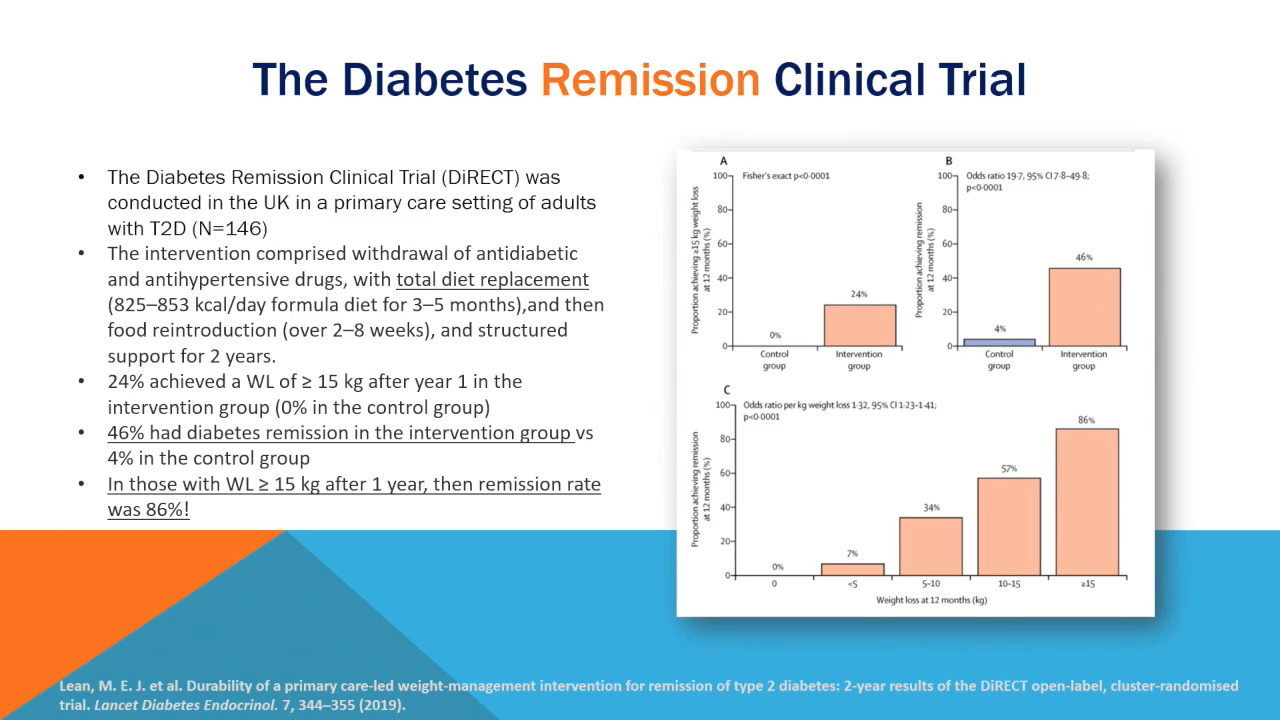
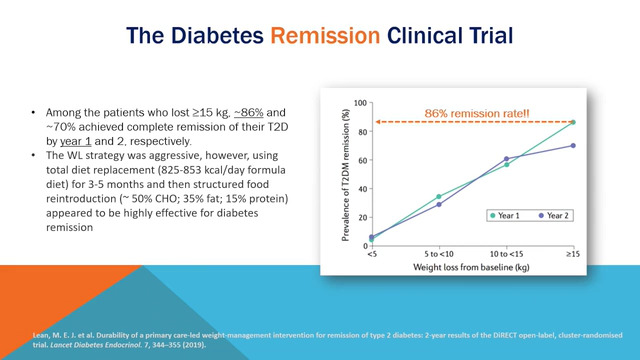
Strong, consistent evidence shows that managing obesity can delay progression of prediabetes to type 2 diabetes. Obesity management is also highly beneficial in treating type 2 diabetes, based on the degree of weight loss achieved. Losing excess weight improves glycemic control, reduces the need for glucose-lowering medications, can substantially reduce A1C, and can even promote sustained diabetes remission.

Diabesity Clin Diabetes 2022;40(4):392–393 — https://doi.org/10.2337/cd22-0088

Remember, Stay as Thin as You Can as Long as You Can

Social Isolation and Dementia Risk

A study by Huang and colleagues is the first nationally representative cohort study examining the association between social isolation and incident dementia for older adults in community dwelling settings. A cohort of 5,022 older adults participating in the National Health and Aging Trends Study was followed from 2011 to 2020. When adjusting for demographic and health factors, including race, level of education, and number of chronic health conditions, socially isolated adults had a greater risk of developing dementia, compared with adults who were not socially isolated (hazard ratio, 1.27; 95% CI, 1.08 – 1.49). Potential mechanisms to explain this association include the increased risk of cardiovascular disease and depression in older adults who are socially isolated, thereby increasing dementia risk.

Mengru Wang. Geriatrician Advises on Use of Vitamin D Supplementation, Lecanemab, and Social Media for Her Patients – Medscape – Jan 20, 2023 — https://www.medscape.com/viewarticle/987285?src=rss#vp_2

One week ago we had our older adult friends over for dinner. Midweek my wife went out with her friends while I gathered with my friends. Last night was date night and we got out of the house. This evening we’re having dinner at a friend’s house.

Dementia risk reduction activities!

Quote for Today 12.09.22 AND Scary Charts

There is no mystery to controlling inflation. You just have to stop spending money you don’t have…stop lending out money at interest rates below inflation…and stop ‘printing’ up extra money to cover the holes in your budget. Instead, most governments continue to spend and print. Inflation is on the rise almost everywhere. And for the first time in modern history, much of the entire world’s middle class – the people who make the world work – is facing a grim period of higher inflation and lower real standards of living.

Three Strikes, You’re Out! More on the government’s middle class massacre – Bonner Private Research https://bonnerprivateresearch.substack.com/p/three-strikes-youre-out

But wait…it’s worse in North America.

I’m just thankful I haven’t retired yet.

Millions Suffer – Junk Food Industry Profits

Increased consumption of ultraprocessed foods (UPFs) was associated with more than 10% of all-cause premature, preventable deaths in Brazil in 2019. That is the finding of a new peer-reviewed study in the American Journal of Preventive Medicine.

Examples of UPFs are prepackaged soups, sauces, frozen pizza, ready-to-eat meals, hot dogs, sausages, sodas, ice cream, and store-bought cookies, cakes, candies and doughnuts.

UPFs have steadily replaced the consumption of traditional whole foods, such as rice and beans, in Brazil.

Millions Suffer as Junk Food Industry Rakes in Profit, by Colin Todhunter — STRAIGHT LINE LOGIC

Here is a link to the original study https://www.ajpmonline.org/article/S0749-3797(22)00429-9/fulltext