The Latest in COVID-19 News: Week Ending 03.20.21 – NEJM Journal Watch

Click on the link for the NEJM Journal Watch weekly update.  Another good week for SARS-CoV-2 articles. Sorry about not posting last week’s Journal Watch link of links. I forgot AND I was out of town which made me forget.

https://www.jwatch.org/fw117630/2021/03/20/latest-covid-19-news-week-ending-mar-20-2021

Meanwhile Sammy sings from what appears to be an empty closet.

Ten Commandments of Emergency Medicine Revisited

#2 Remember naloxone, glucose, and thiamine (NGT)
Original: Consider or give naloxone, glucose and thiamine
The number of patients presenting with opioid intoxication is growing, and the gentle reversal of patients without severe respiratory depression with naloxone is in the art of medicine – consider starting with 0.4mg and titrate to effect.

In contrast to empiric administration of glucose in the altered or ill patient, rapid assessment of glucose level with point-of-care testing is recommended.

Thiamine deficiency may be less prevalent than previously thought in intoxicated patients, but we now know that giving 100mg of IV thiamine can benefit other malnourished patients, including those with calorie-malnourishment from cancer, gastric bypass, hyperemesis gravidarum, and eating disorders. Personally, I use the ‘T’ of ‘NGT’ to remind myself not to miss alcohol withdrawal.

Ten Commandments of Emergency Medicine Revisitedhttps://journalfeed.org/article-a-day/2021/ten-commandments-of-em-revisited

Why does this matter? I hear you thinking we underwrite life insurance, we’re not doctors. So true. But if we think like doctors we will get better at what we do by recognizing the subtleties buried within the medical charts we read. Here’s what my eyes/brain picked up.

The bold in the excerpt above are mine to illustrate how the mind of a mortality risk expert works. In Emergency Department records pay attention to the initial treatments provided which in some cases hints to a serious condition impacting mortality. Naloxone and opioids are obvious. But would you have associated the administration of IV thiamine to malnutrition or alcohol withdrawal? I thought so.

So read and research widely. You’ll always find little jewels to improve your skills and to impress your friends with. Or in my case to make Dr. Lee think his old man knows more than he actually does.

SARS-CoV-2 Variants – (in mice)

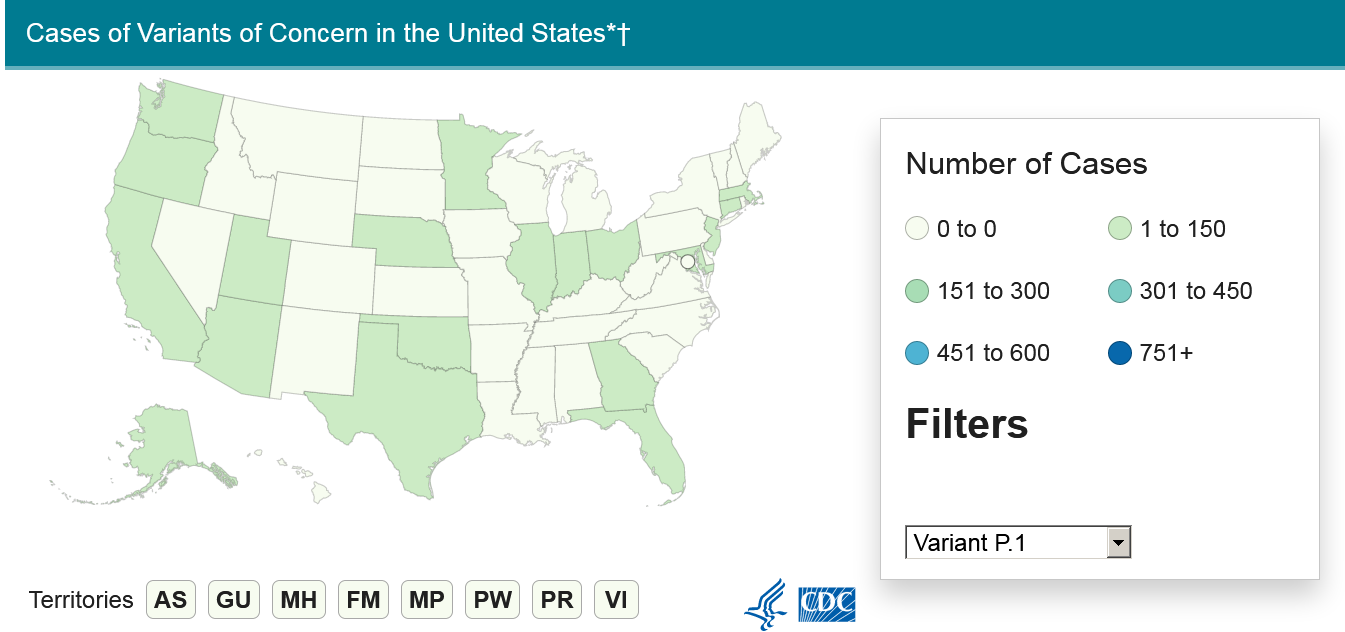
Pre-print therefore not peer reviewed. No, I don’t hang out on Twitter all day long. Yes, the study is somewhat geeky. BUT here’s the money sentence:

This abrogation of the species barrier raises the possibility of wild rodent secondary reservoirs and provides new experimental models to study disease pathophysiology and countermeasures.

The B1.351 and P.1 variants extend SARS-CoV-2 host range to mice — https://www.biorxiv.org/content/10.1101/2021.03.18.436013v1

Now I can’t stop thinking about “secondary reservoirs”.

SARS-CoV-2 Variants – (in cats and dogs)

And minks.

Just remember if you get vaccinated you can still curl up with your furry friends worry free.

Covid-19: Why Peru suffers from one of the highest excess death rates in the world

Cultural norms draw people together, increasing chances of transmission. Most Peruvians shop daily. Stocking up with a weekly shop would mean breaking a lifelong habit. It’s also impossible for the 40% who do not have a refrigerator.5 As a result, markets quickly became a major vector of the disease. As many as 86% of people in Lima’s markets tested positive during the first wave of cases in May 2020.6 Then-president Martín Vizcarra acknowledged the crisis but did not shut markets down because of the need to supply food.

Covid-19: Why Peru suffers from one of the highest excess death rates in the world — BMJ 2021; 372 doi: https://doi.org/10.1136/bmj.n611 (Published 09 March 2021)

A sad but very informative article on the Covid-19 situation in Peru.

NAFLD: not a benign disease

Non-alcoholic fatty liver disease (NAFLD) is the leading cause of chronic liver disease worldwide, affecting at least a quarter of the global adult population. It is rapidly becoming one of the most common indications for liver transplantation in Western countries. NAFLD is widely considered as the hepatic manifestation of the metabolic syndrome. It is particularly common among patients with type 2 diabetes and obesity. Nonetheless, emerging data suggest that NAFLD is present in a significant proportion of lean individuals. In a systematic review and meta-analysis of 93 studies (involving over 10 million individuals), Ye et al found that 19.2% and 40.8% of patients with NAFLD were lean and non-obese, respectively, according to ethnic-specific body mass index (BMI) cut-offs.1 However, over 80% of the studies included in this systematic review were from Asia, raising the suspicion that NAFLD in lean individuals is a unique phenomenon among Asians, especially as Asians are known to have more central fat deposition and develop NAFLD and metabolic complications at a lower BMI.2

NAFLD in lean individuals: not a benign disease — https://gut.bmj.com/content/early/2021/03/11/gutjnl-2021-324162?rss=1

80% of the studies reviewed were from Asia which helps to explain why NAFLD was found in lean and non-obese people. I wonder how their diets have changed from traditional cuisines to cause this incidence level? Western style fast food?

Also see previous posts:

NAFLD – Why are Life Insurers Taking This Risk at Standard Rates?

NAFLD

NAFLD and Obesity: What Is the Mortality Risk? | Medpage Today

NAFLD = Higher Mortality Rate

Alkaline phosphatase 59 U/L, AST 28. ALT 10 as of September 2020. GGTP 36 as of December 2015. Sharing these numbers for all of my friends from the past who thought I would never live long enough to boast about these numbers.