Juicy Lucy cheeseburger anyone?
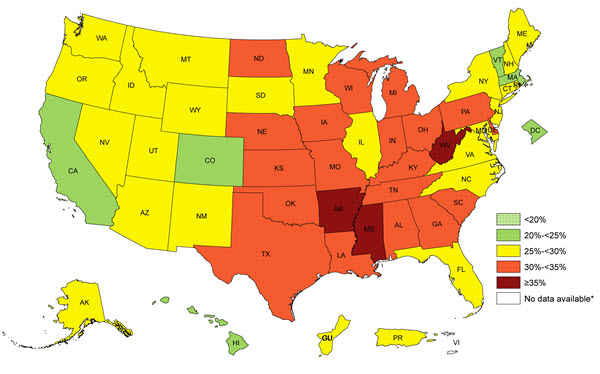
Source: Obesity Prevalence Maps 2014 – DNPAO – CDC
Weight Loss May Be Fleeting With Lap Sleeve Gastrectomy | Medpage Today.
Cost of Gastric Sleeve Surgery – 2015 Price Survey.
Two links presented without the usual snide comments.
Of those who did achieve 5% weight loss, 53% regained the weight within 2 years and 78% had regained it within 5 years, according to the study.
via Obese Patients Unlikely to Return to Normal Weight | Medpage Today.
In 2012, a large study published in the Journal of the American Medical Association reported that the percentage of patients abusing alcohol increased from 7.6 percent before surgery to 9.6 percent two years after surgery — that’s potentially an additional 2,000 alcoholics each year in the United States. Since then, a growing body of evidence has corroborated these findings. The longest-running study suggests the effect persists even a decade after surgery.
via Alcoholism after gastric bypass: Is it in your mind or gut? » Scienceline.
Conclusions
We observed a J-shaped association between BMI and mortality among all participants and among those who had ever smoked and a direct linear relationship among those who had never smoked. We found no evidence of lower mortality among patients with diabetes who were overweight or obese at diagnosis, as compared with their normal-weight counterparts, or of an obesity paradox.
via Body-Mass Index and Mortality among Adults with Incident Type 2 Diabetes — NEJM.
Active modes of traveling to work, such as walking or biking, were associated with a lower likelihood of obesity and diabetes, U.K. researchers found.
Compared with using driving a car or taking a taxi, walking to work was associated with a 20% reduced risk of being obese and a 40% reduced risk of diabetes, according to Anthony Laverty, MSc, of the Imperial College London, and colleagues. Those who cycled to work had a 37% lower risk of obesity and a 50% lower risk of diabetes.
via Walking to Work Cuts Obesity, Diabetes Risk.
One of the downsides of working from home. So I suppose having my office down the hall from my bedroom increases my risk of obesity and diabetes.
Great. Pass the chocolate please.
Serious respiratory problems, including lung damage, can result from malfunction of adjustable gastric bands implanted in obese patients, said British doctors in a case report.
via Medical News: Case Report: Gastric Band Migrates – in Primary Care, Obesity from MedPage Today.
Oops.

 lifeunderwriter.net
You must be logged in to post a comment.