Source: Marvel made the Hulk interesting again. He’s an Asian-American man. – Vox

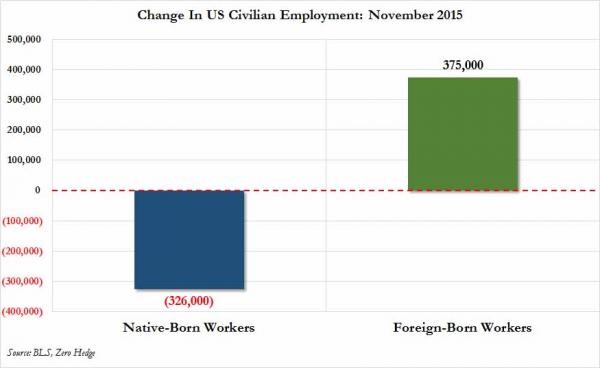
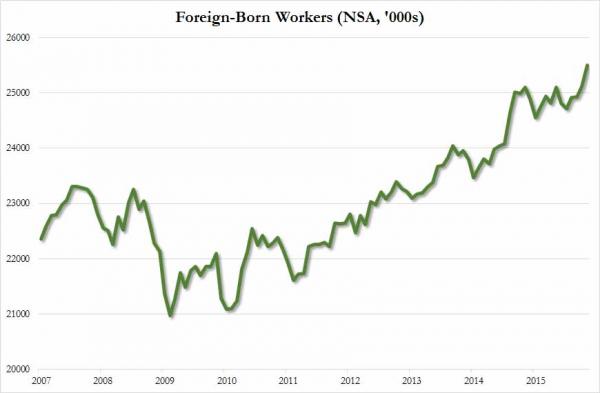 According to the BLS’ Household Survey, while 375,000 foreign-born workers found jobs in November, a whopping 326,000 native-born Americans lost theirs.
Interesting statistics. Just sayin’, you know?
Cavitation allows gas to escape while cracking
Source: Ultrasound Shows Why Knuckles Are so Noisy | Medpage Today
 WASHINGTON—Saying the effects were almost immediate and largely unavoidable, the National Institute of Food and Agriculture released a report Tuesday linking red meat to contentedly patting one’s belly.
Source: Report: Red Meat Linked To Contentedly Patting Belly
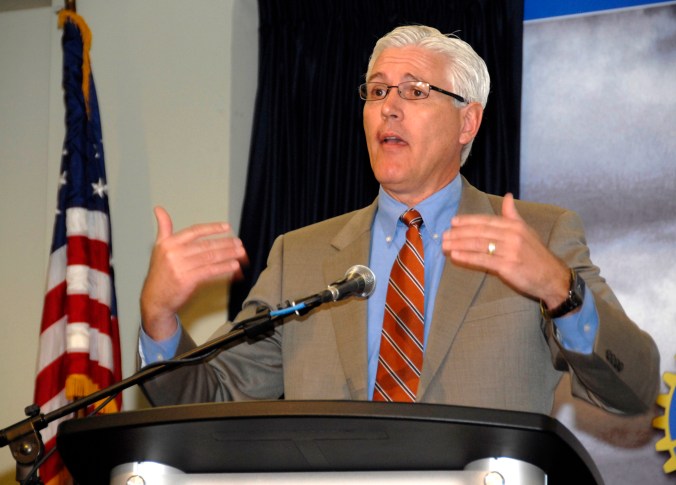 Dr. Everett Piper, President Oklahoma Wesleyan University
Source: This is Not a Day Care. It’s a University! – Oklahoma Wesleyan University
TRIGGER WARNING
If you believe in trigger warnings this is your trigger warning. Don’t read this article because it will piss you off and make you hate me.
Update 03.25.16
The president of Emory University has met with 40 to 50 student demonstrators who said they were concerned and frightened after someone wrote ‘Trump 2016’ .
Source: Emory University students scared by ‘Trump 2016’ chalk signs | Daily Mail Online
It’s enough to make you root for Trump. Well, almost.
After the GOP front-runner’s name was written in chalk on a campus wall, students said they ‘feared for their lives.’ The school vowed to identify the taggers. But professors at the school are now pushing back.
Source: Emory University Students Think Donald Trump Is Out to Kill Them – The Daily Beast
“They’re living in a cocoon bubble, and the university is validating their fears. If these students are frightened by someone writing ‘Trump 2016’ on campus, they need to see a psychiatrist.”
Harvey Klehr professor of political science at Emory
We are starting to see some of these young men and women leave the bubble and figure out how to make it in this world.
From what I’ve witnessed psychiatry and counseling may not be enough to help these victims of a higher educational system gone awry.
Zurich Insurance’s leadership was thrown into confusion on Tuesday after its chief executive quit, forcing the Swiss insurer into a hurried hunt for an external replacement. Martin Senn, who has headed the company for six years, said he was stepping
Source: Zurich Insurance thrown into upheaval as Martin Senn quits – FT.com
Update 12.02.15
I am officially withdrawing from consideration for this open position.
GL
Not all specialties were equal when it comes to burnout
Source: Burnout: Emergency Medicine Hit Hardest | Medpage Today




You must be logged in to post a comment.