Trauma of Job Loss Often Includes Health Problems – NYTimes.com
A sad reminder for those of us in the risk selection profession.

Trauma of Job Loss Often Includes Health Problems – NYTimes.com
A sad reminder for those of us in the risk selection profession.
Exclusive: How Google’s Algorithm Rules the Web | Magazine
After reading this article I learned a little about how Google works. The article is long but worth your time if you are interested in this kind of stuff.
More archipods = less demand for office space too.
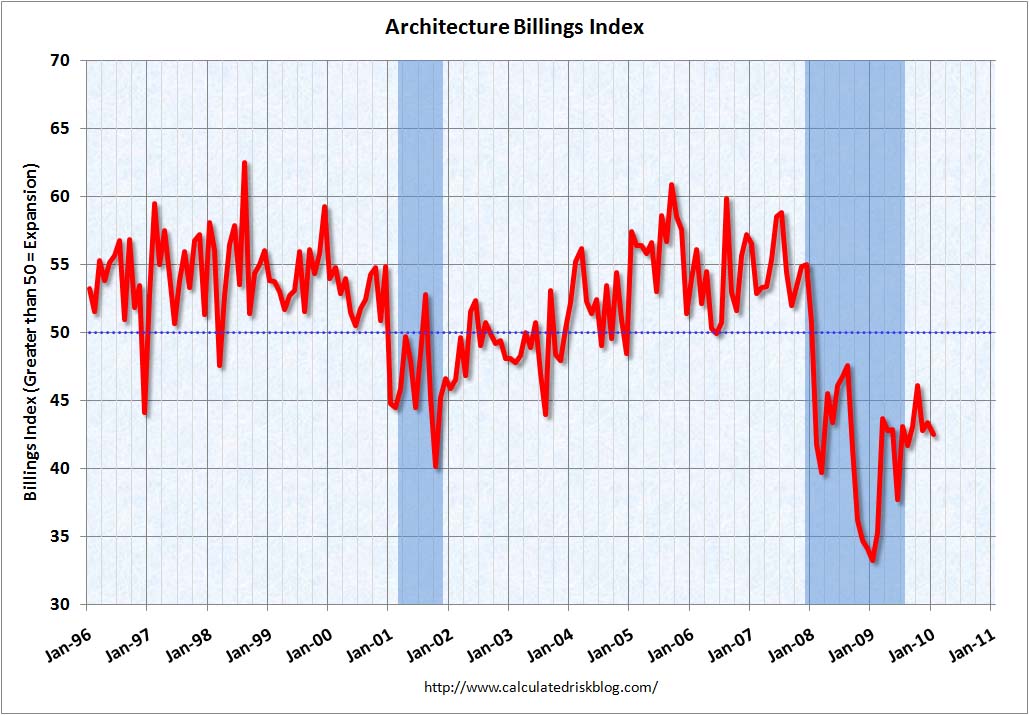
Calculated Risk: AIA: Architecture Billings Index Shows Contraction in January
archipod Check out the latest and greatest setup for remote underwriting.
A hat tip to Guy Kawasaki who sent a tweet about this new form of a home office. Can you picture one of these in your backyard?
I want one but I’m pretty certain the purchase will not be approved by she who must be obeyed.
Follow the link to CSMonitor.com where you can find a link to download the entire report.
Another view of small business owners’ thinking / The Christian Science Monitor – CSMonitor.com
Those entrepreneurs who have been able to make the hard decisions and get back to their bootstrapping roots have survived the first phase of the recession. While Wall Street seems to be trying to convince themselves that a recovery is around the corner, every indication is that we will be facing a prolonged period of high unemployment with a possibility of a double-dip downturn and significant inflation.
BBC News – Alarm at Mumbai’s teenage suicide trend
More than 100,000 people commit suicide in India every year and three people a day take their own lives in Mumbai.
Suicide is one of the top three causes of death among those aged between 15 and 35 years and has a devastating psychological, social and financial impact on families and friends.
Conclusions In this large, population based study, the use of venlafaxine was not associated with an excess risk of sudden cardiac death or near death compared with fluoxetine, dosulepin, or citalopram, in patients with depression or anxiety.
Conclusions Carotid endarterectomy was found to be superior to carotid artery stenting for short term outcomes but the difference was not significant for intermediate term outcomes; this difference was mainly driven by non-disabling stroke. Significantly fewer cranial nerve injuries and myocardial infarctions occurred with carotid artery stenting.
Metlife Mature Market Instute: Demographic Profiles | insureintell.com
Follow the links to download this document.
GPM is not hiring or looking to add to their underwriting staff at this time. A previous post on this topic was in error. My apologies for the misinformation.


You must be logged in to post a comment.