Conclusion All NAFLD histological stages were associated with significantly increased overall mortality, and this risk increased progressively with worsening NAFLD histology. Most of this excess mortality was from extrahepatic cancer and cirrhosis, while in contrast, the contributions of cardiovascular disease and HCC were modest.
This article provides an overview of the clinical evidence on the poorer clinical outcomes of COVID-19 infection in patients with diabetes versus patients without diabetes, including in specific patient populations, such as children, pregnant women, and racial and ethnic minorities.
In the article above the researchers reviewed nearly 90 studies.
Novel diabetes subtype characteristics. Overview of distribution and characteristics of subtypes generated by clustering based on clinical parameters in the Swedish ANDIS cohort.
Type 2 diabetes (T2D) is defined by a single metabolite, glucose, but is increasingly recognized as a highly heterogeneous disease, including individuals with varying clinical characteristics, disease progression, drug response, and risk of complications. Identification of subtypes with differing risk profiles and disease etiologies at diagnosis could open up avenues for personalized medicine and allow clinical resources to be focused to the patients who would be most likely to develop diabetic complications, thereby both improving patient health and reducing costs for the health sector. More homogeneous populations also offer increased power in experimental, genetic, and clinical studies. Clinical parameters are easily available and reflect relevant disease pathways, including the effects of both genetic and environmental exposures. We used six clinical parameters (GAD autoantibodies, age at diabetes onset, HbA1c, BMI, and measures of insulin resistance and insulin secretion) to cluster adult-onset diabetes patients into five subtypes. These subtypes have been robustly reproduced in several populations and associated with different risks of complications, comorbidities, genetics, and response to treatment. Importantly, the group with severe insulin-deficient diabetes (SIDD) had increased risk of retinopathy and neuropathy, whereas the severe insulin-resistant diabetes (SIRD) group had the highest risk for diabetic kidney disease (DKD) and fatty liver, emphasizing the importance of insulin resistance for DKD and hepatosteatosis in T2D. In conclusion, we believe that subclassification using these highly relevant parameters could provide a framework for personalized medicine in diabetes.
Subtypes of Type 2 Diabetes Determined From Clinical Parameters — Diabetes 2020 Oct; 69(10): 2086-2093. https://doi.org/10.2337/dbi20-0001
Not just potential for personalized medicine in the treatment of diabetes but perhaps a framework for better risk stratification and selection in life insurance.
Intakes of Folate, Vitamin B6, and Vitamin B12 in Relation to Diabetes Incidence Among American Young Adults: A 30-Year Follow-up Study
RESULTS During 30 years (mean 20.5 ± 8.9) of follow-up, 655 incident cases of diabetes occurred. Intake of folate, but not vitamin B6 or vitamin B12, was inversely associated with diabetes incidence after adjustment for potential confounders. Compared with the lowest quintile of total folate intake, the multivariable-adjusted hazard ratios (95% CI) in quintiles 2–5 were 0.85 (0.67–1.08), 0.78 (0.60–1.02), 0.82 (0.62–1.09), and 0.70 (0.51–0.97; Ptrend = 0.02). Higher folate intake was also associated with lower plasma homocysteine (Ptrend < 0.01) and insulin (Ptrend < 0.01). Among supplement users, folate intake was inversely associated with serum C-reactive protein levels (Ptrend < 0.01).
CONCLUSIONS Intake of folate in young adulthood was inversely associated with diabetes incidence in midlife among Americans. The observed association may be partially explained by mechanisms related to homocysteine level, insulin sensitivity, and systemic inflammation.
Intakes of Folate, Vitamin B6, and Vitamin B12 in Relation to Diabetes Incidence Among American Young Adults: A 30-Year Follow-up Study — Diabetes Care 2020 Oct; 43(10): 2426-2434. https://doi.org/10.2337/dc20-0828
Folate is a B vitamin that occurs naturally in foods such as green leafy vegetables, citrus fruit, and beans. So eat your greens and beans. Taking a supplement can’t hurt either. My multivitamin has plenty of folate.
As of Sept. 18, there have been at least 39,000 reported positive cases tied to meatpacking facilities in at least 419 plants in 40 states, and at least 185 reported worker deaths in at least 51 plants in 27 states.
And in case you missed this interesting hypothesis…
Our laboratory work has shown that SARS-CoV-2 can survive the time and temperatures associated with transportation and storage conditions associated with international food trade. When adding SARS-CoV-2 to chicken, salmon and pork pieces there was no decline in infectious virus after 21 days at 4°C (standard refrigeration) and –20°C (standard freezing).
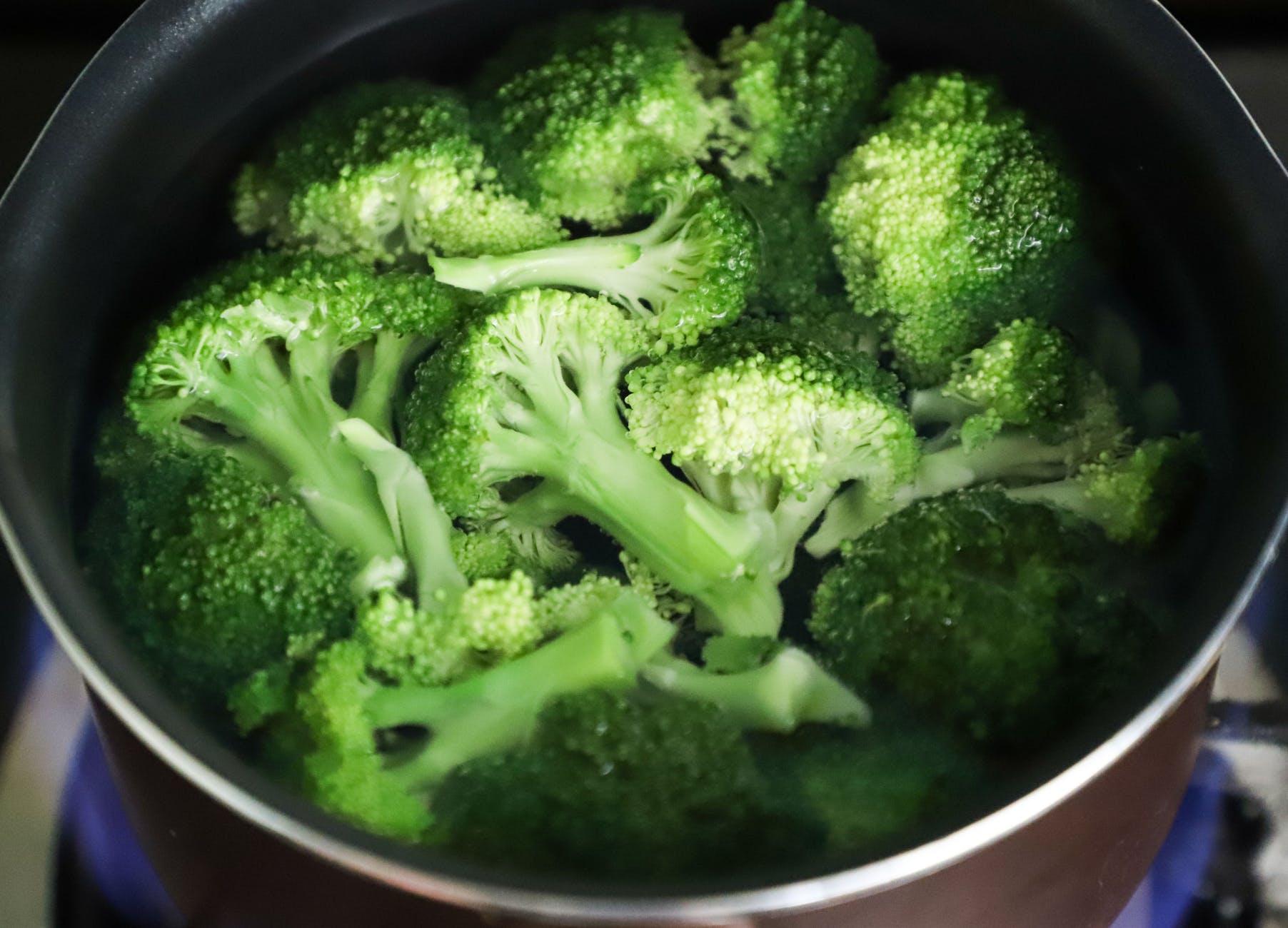
Published in the British Journal of Nutrition the research has found higher consumption of cruciferous vegetables, such as broccoli, Brussels sprouts and cabbage, is associated with less extensive blood vessel disease in older women.
Using data from a cohort of 684 older Western Australian women recruited in 1998, researchers from ECU’s School of Medical and Health Sciences and The University of Western Australia found those with a diet comprising more cruciferous vegetables had a lower chance of having extensive build-up of calcium on their aorta, a key marker for structural blood vessel disease.
Dr Blekkenhorst said women in this study who consumed more than 45g of cruciferous vegetables every day (e.g. ¼ cup of steamed broccoli or ½ cup of raw cabbage) were 46 percent less likely to have extensive build-up of calcium on their aorta in comparison to those consuming little to no cruciferous vegetables every day.
In March and April, the National Eating Disorders Association (NEDA) saw a 78% increase in messages sent to its helpline compared with the same period last year.
Dr. John Morton, medical director of bariatric surgery for Yale New Haven Health System, says he’s seeing patients via telehealth who have gained up to 30 pounds recently. He says it can happen within months.
The article focuses mainly on anorexia and bulemia but the quote from Dr. Morton caught my eye. A 30 pound weight gain in a few months is pretty substantial. I start to panic after a pound or two. But if you lose 200 pounds and keep it off you tend to overreact if the scale shows your weight creeping up.
My pandemic weight journey (so far) has been about taking a few of those stubborn pounds off. I started the year at 192. This morning I was 179. There has to be more happy weight loss stories out there. The article also didn’t mention anything on Orthorexia Nervosa. I worry about those people too.
…young, healthy men (aged 22 — 37) who volunteered for the trial consumed almost twice as much pizza when pushing beyond their usual limits, doubling their calorie intake, yet, remarkably, managed to keep the amount of nutrients in the bloodstream within normal range.
Aaron Hengist, Robert M. Edinburgh, Russell G. Davies, Jean-Philippe Walhin, Jariya Buniam, Lewis J. James, Peter J. Rogers, Javier T. Gonzalez, James A. Betts. Physiological responses to maximal eating in men. British Journal of Nutrition, 2020; 124 (4): 407 DOI: 10.1017/S0007114520001270
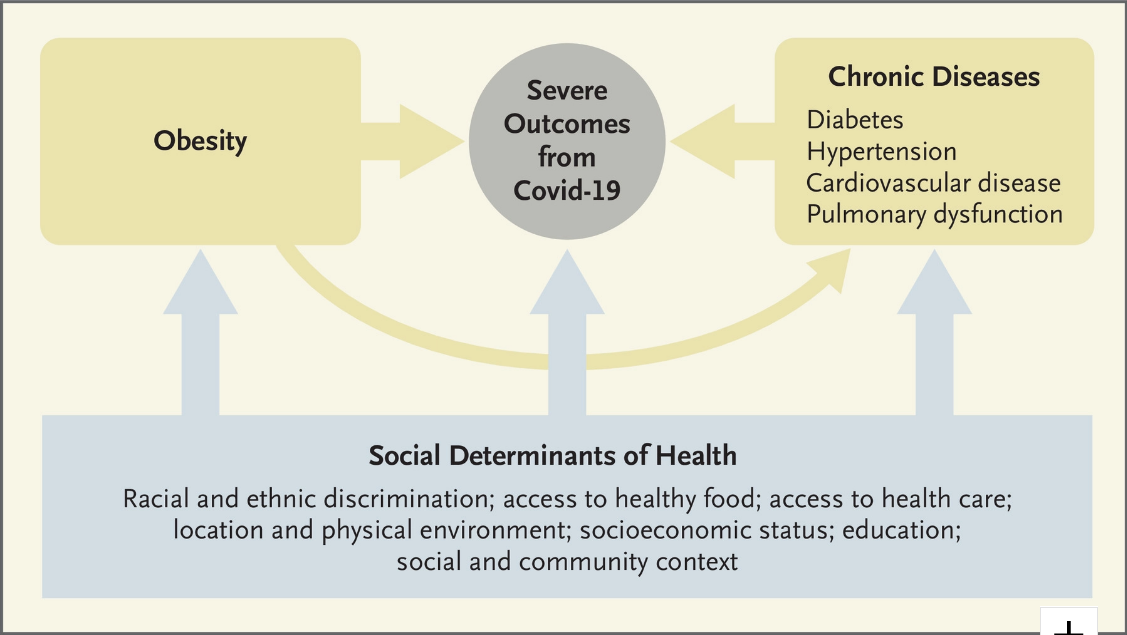
A healthy diet, rich in fruits and vegetables and low in sugar and calorie-dense processed foods, is essential to health. The ability to eat a healthy diet is largely determined by one’s access to affordable, healthy foods — a consequence of the conditions and environment in which one lives. In the United States, poor diet is the leading underlying cause of death, having surpassed tobacco use in related mortality.2 A study of dietary trends among U.S. adults between 1999 and 2012 showed overall improvement in the American diet, with the proportion of people who reported having a poor-quality diet decreasing from 55.9% to 45.6%; additional analyses, however, revealed persistent or worsening disparities in nutrition based on race or ethnicity, education, and income level.3
Global efforts to develop treatments for covid-19 have focused on drug repurposing, immunotherapies including convalescent plasma and monoclonal antibodies, and vaccines. Despite obesity prevalence rates of 40% in the United States, 29% in England, and 13% globally, to our knowledge none of the several thousand clinical studies of covid-19 in international clinical trial registries proactively recruit participants with obesity. On the contrary, several studies consider overweight or obesity as exclusion criteria. We call for proportional representation of people with obesity in clinical trials of drugs and vaccines, including dose finding studies.
…our food systems are making us ill.11 The covid-19 outbreaks at meat packing plants have focused minds on the meat industry as a driver for acute and chronic disease.12 Last month Monique Tan and colleagues wrote that the food industry should be held partly accountable “not only for the obesity pandemic but also for the severity of covid-19 disease and its devastating consequences.”13 The government must do more to hold the industry to account.
I have been struggling with diabulimia on and off since my diagnosis of type 1 diabetes in 2011, at age 30. I had just started a PhD and spent the first semester walking around campus with all the classic symptoms of type 1 diabetes: famished, dehydrated, constantly needing to urinate, and experiencing rapid weight loss. After my diabetes diagnosis, when I started injecting insulin, I gained the weight back—and then some. It didn’t take long to figure out that omitting insulin was not only an effective weight loss tool, compared with vomiting, it was a much less violent way to purge. Having a history of bulimia nervosa, I thought I had found the holy grail. I could eat what I wanted, not use insulin, and not gain weight.
As of Jan. 22, there have been at least 45,000 reported positive cases tied to meat and poultry processing facilities from at least 482 outbreaks in 38 states, and at least 240 reported worker deaths in at least 62 plants in 27 states.
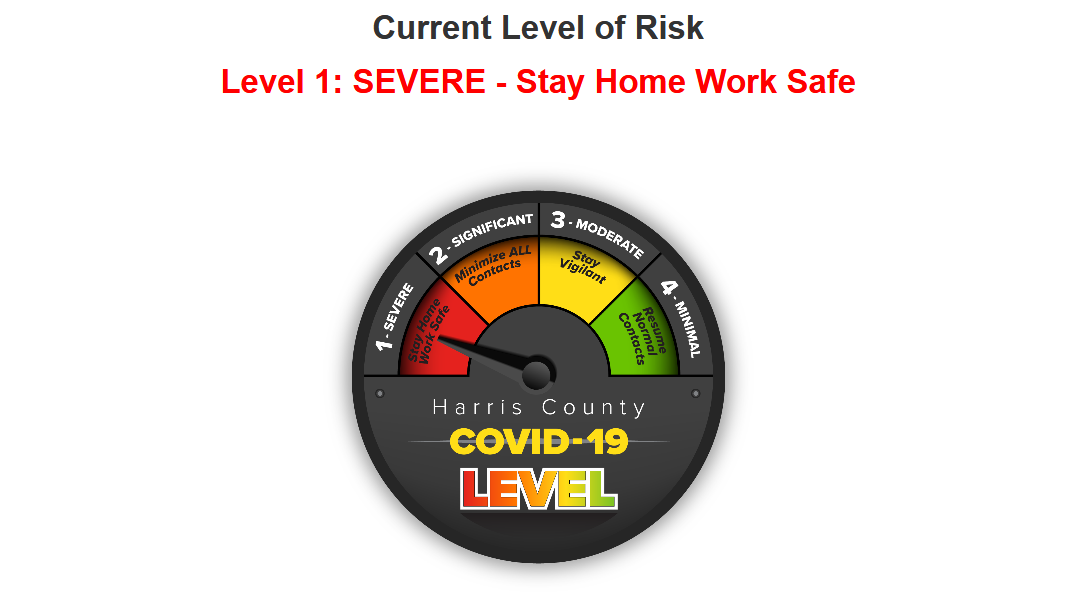
On June 26th, Harris County Judge Lina Hidalgo raised the Current Level of Risk for Harris County from Level 2 to Level 1.
Level 1 signifies a severe and uncontrolled level of COVID-19 in Harris County, meaning outbreaks are present and worsening and that testing and contact tracing capacity is strained or exceeded. At this level, residents take action to minimize contacts with others wherever possible and avoid leaving home except for the most essential needs like going to the grocery store for food and medicine.
Regardless of current level indicated, all residents should continue the use of social distancing, frequent hand washing, and the use of face coverings until there is a vaccine or a treatment for the virus. Additionally, residents exposed to COVID-19 should quarantine for 14 days regardless of level indicated.
My vegetarian cookbook collection is growing. Grocery trips will include more shelf stable items so that I’ll be able to fix more meat-free meals in the near future.
The acquisition of more cookbooks is a rational strategy. I’ll need more sources besides the same recipe that shows up multiple times on multiple websites as the best (fill in the blank) for inspiration in the kitchen when the POTUS issues an Executive Order rationing animal proteins.
COVID-19 cases among U.S. workers in 115 meat and poultry processing facilities were reported by 19 states. Among approximately 130,000 workers at these facilities, 4,913 cases and 20 deaths occurred. Factors potentially affecting risk for infection include difficulties with workplace physical distancing and hygiene and crowded living and transportation conditions.
The article link is old. I’m unable to find any current data on the number of Covid-19 cases at the meat processing plant.
Like I’ve before, my vegetarian cookbook collection is growing. I’ll need more sources for inspiration in the kitchen when the government starts rationing animal proteins and mandates veganism.
“Unlike other supply chain issues, this has nothing to do with anyone overseas. This has to do with how many people can you make work inside one of these processing plants—they’re all very close to each other and there’s a public health risk,” Rubio said. “So there’s been disruptions there. I know people are working hard to get that resolved. In the meantime, I guess we’ll have to go a little vegan, right?”





You must be logged in to post a comment.