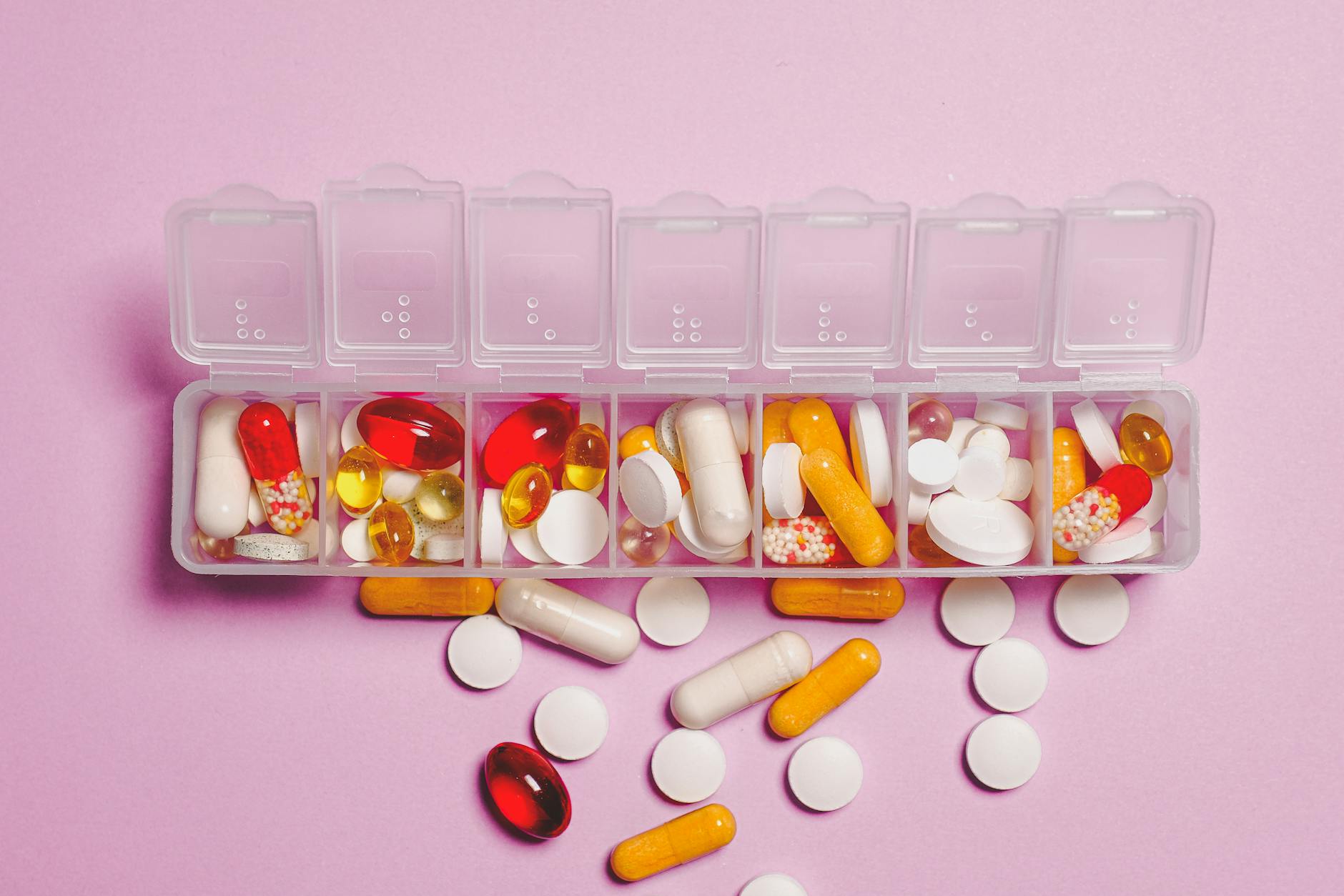
Hallucinogenic Drugs at a Gas Station Near You!

Newly released testing data of Diamond Shruumz-brand gummies purchased in 2023 identified the presence of psilocin, a hallucinogenic drug closely related to the magic-mushroom drug psilocybin that is classified as a Schedule I drug, alongside psilocybin, heroin, and LSD. The finding comes as Diamond Shruumz’s current line of gummies, chocolates, and candy cones is being recalled and are under active investigation in connection to a nationwide rash of severe illnesses, which have involved seizures, intubation, and intensive care. As of the latest update on July 15, 69 people in 28 states have been sickened after eating a Diamond Shruumz product. Sixty of the 69 sought medical care, 36 were hospitalized, and there is one potentially associated death under investigation. Illegal drug found in Diamond Shruumz candies linked to severe illnesses — https://arstechnica.com/science/2024/07/illegal-drug-found-in-diamond-shruumz-candies-linked-to-severe-illnesses/

I’ll stick with my gas station beers, thanks.

Cannabis Use and Psychosis Risk

The investigators found that cannabis use was significantly associated with psychotic disorders during adolescence (adjusted hazard ratio [aHR], 11.2; 95% CI, 4.6 to 27.3), but not during young adulthood (aHR, 1.3; 95% CI, 0.6 to 2.6). Adolescents who used cannabis also had a substantially higher risk for hospitalizations and emergency department visits (aHR, 26.7; 95% CI, 7.7 to 92.8), while there was no substantial risk observed in young adulthood (aHR, 1.8; 95% CI, 0.6 to 5.4). Growing Evidence Supports the Link Between Cannabis Use and Psychosis Risk https://www.psychiatryadvisor.com/news/cannabis-use-and-psychosis-risk/

Have you read the book The Dangerous Truth About Today’s Marijuana by Laura Stack? https://johnnysambassadors.org/book/

If you have small children I highly recommend this book.

Cannabis and Kids

Epidemiologic research suggests that cannabis use may be a significant risk factor for psychotic disorders. A meta-analysis of longitudinal studies estimated that lifetime cannabis users had an odds ratio of 2.58 (95% CI 1.08–6.13) for psychotic disorders compared to non-users (Moore et al., Reference Moore, Zammit, Lingford-Hughes, Barnes, Jones, Burke and Lewis2007). Another meta-analysis found an odds ratio of 3.90 (95% CI 2.84–5.34) for psychotic disorders among the most frequent cannabis users compared to non-users, suggesting dose–response (Marconi, Di Forti, Lewis, Murray, & Vassos, Reference Marconi, Di Forti, Lewis, Murray and Vassos2016). Whether cannabis use is causally related to psychotic disorders continues to be debated, with recent genetic studies raising uncertainty about the directionality of the relationship and the magnitude of association (Ganesh & D’Souza, Reference Ganesh and D’Souza2022; Gillespie & Kendler, Reference Gillespie and Kendler2021).

This study provides new evidence of a strong but age-dependent association between cannabis use and risk of psychotic disorder, consistent with the neurodevelopmental theory that adolescence is a vulnerable time to use cannabis. The strength of association during adolescence was notably greater than in previous studies, possibly reflecting the recent rise in cannabis potency. Age-dependent association of cannabis use with risk of psychotic disorder Psychological Medicine , First View , pp. 1 – 11 https://doi.org/10.1017/S0033291724000990

Daily Marijuana Use Now Exceeds Daily Alcohol Use

Reported cannabis use declined to a nadir in 1992, with partial recovery through 2008, and substantial increases since then, particularly for measures of more intensive use. Between 2008 and 2022, the per capita rate of reporting past-year use increased by 120%, and days of use reported per capita increased by 218% (in absolute terms from the annual equivalent of 2.3 to 8.1 billion days per year). From 1992 to 2022, there was a 15-fold increase in the per capita rate of reporting daily or near daily use. Whereas the 1992 survey recorded 10 times as many daily or near daily alcohol as cannabis users (8.9 vs. 0.9 M), the 2022 survey, for the first time, recorded more daily and near daily users of cannabis than alcohol (17.7 vs. 14.7 M). Far more people drink, but high-frequency drinking is less common. In 2022, the median drinker reported drinking on 4–5 days in the past month, versus 15–16 days in the past month for cannabis. In 2022, past-month cannabis consumers were almost four times as likely to report daily or near daily use (42.3% vs. 10.9%) and 7.4 times more likely to report daily use (28.2% vs. 3.8%).

Long-term trends in cannabis use in the United States parallel corresponding changes in cannabis policy, with declines during periods of greater restriction and growth during periods of policy liberalization. A growing share of cannabis consumers report daily or near daily use, and their numbers now exceed the number of daily and near daily drinkers. Changes in self-reported cannabis use in the United States from 1979 to 2022https://doi.org/10.1111/add.16519

Cannabis Use Linked to Elevated Myocardial Infarction and Stroke Risk

Cannabis use may increase the risk of myocardial infarction and stroke independent of tobacco use, according to recent findings in the Journal of the American Heart Association. Compared with nonusers, daily cannabis consumers had 25% higher odds of myocardial infarction and 42% higher odds of stroke. More frequent use was associated with a greater possibility of adverse cardiovascular outcomes regardless of whether cannabis was smoked, eaten, or vaporized. AMA. 2024;331(14):1172. doi:10.1001/jama.2024.2075 — https://jamanetwork.com/journals/jama/fullarticle/2816618

Statins Raise Diabetes Risk (but CV Benefit Outweighs the Risk)

Statins raise the risks for increased glucose levels and the development of type 2 diabetes among people who don’t have it at baseline, but those risks are outweighed by the cardiovascular benefit, new data suggested.

The meta-analysis of trials in the CTT Collaboration included individual participant data from 19 double-blind randomized, controlled trials with a median follow-up of 4.3 years comparing statins with placebo in a total of 123,940 participants, including 18% who had known type 2 diabetes at randomization. Also analyzed were another four double-blind trials of lower- vs higher-intensity statins involving a total of 30,724 participants followed for a median of 4.9 years, with 15% having diabetes at baseline.

In the 19 trials of low- or moderate-intensity statins vs placebo, statins resulted in a significant 10% increase in new-onset diabetes compared with placebo (rate ratio, 1.10), while high-intensity statins raised the risk by an also significant 36% (1.36). This translated to a mean absolute excess of 0.12% per year of treatment.

Compared with less intensive statin therapy, more intensive statin therapy resulted in a significant 10% proportional increase in new-onset diabetes (1.10), giving an absolute annual excess of 0.22%

In an accompanying editorial, Hertzel C. Gerstein, MD, and Marie Pigeyre, MD, PhD, both of McMaster University and Hamilton Health Sciences, Hamilton, Ontario, Canada, noted that the decreased absolute annual incidence of life-threatening cardiovascular outcomes with statins in people at high risk for type 2 diabetes “clearly exceeds the 0.1%-1.3% per year increased absolute incidence of type 2 diabetes.”

Statins Raise Diabetes Risk, but CV Benefit Outweighs It – Medscape – April 09, 2024. — https://www.medscape.com/viewarticle/statins-raise-diabetes-risk-cv-benefit-outweighs-it

Complications? What Complications? (just another GLP-1 receptor agonist post)

Adverse events are common in those using GLP-1 agonists, but the vast majority of these are minor. GI adverse effects are most common (20-70% of patients). Greater rate of GI effects with higher doses.

  • Most common problems: nausea (overall most common), vomiting, and diarrhea. Others included abdominal pain, dyspepsia, and constipation.
  • Symptoms are typically more severe within the first four weeks of therapy or with sudden escalation of therapy and tend to decrease over time.
  • Thought to be due to reduced gastric emptying and activation of centers involved in appetite regulation and nausea.
  • Severe diarrhea and vomiting may lead to volume loss, dehydration, and hypotension (not common).
  • There is an association with pancreatitis. GLP-1 agonists may stimulate pancreatic islet beta cells and exocrine duct cells leading to overgrowth and smaller duct size, which increase the pancreatic weight and risk of ductal occlusion.
    • Retrospective study published in 2022 of 81,752 adverse events associated with GLP-1 agonist therapy found an increased risk of pancreatitis, particularly with liraglutide (ROR 32.67; 95% CI 29.44-36.25). 2023 observational study found increased risk of pancreatitis (adjusted HR of 9.09, 95% CI 1.25-66).
  • Other GI issues include gallbladder and biliary tract disease (usually after 26 weeks of therapy and included cholelithiasis, cholecystitis, cholangitis), elevated LFTs, hepatitis, liver injury.
emDOCs Podcast – Episode 94: GLP-1 Agonist Complications — https://www.emdocs.net/?s=glp-1

But I Lost 25 pounds!

New Wonder Drug! Treat Diabetes, Obesity AND Addiction – (yup another GLP-1 receptor agonist post)

Why People Stop Using Drugs Like Ozempic – Wired (yet another GLP-1 receptor agonist post)

What the Scientists Who Pioneered Weight-Loss Drugs Want You to Know – Wired Magazine

Cannabis and Arrhythmia Risk, Stroke and Race, Why Weight Loss Drugs Stop Working

Within 180 days, 42 medical cannabis users and 107 control participants developed arrhythmia, most commonly atrial fibrillation/flutter. Medical cannabis users had a slightly elevated risk for new-onset arrhythmia compared with nonusers (180-day absolute risk, 0.8% vs 0.4%). The 180-day risk ratio with cannabis use was 2.07 (95% CI, 1.34-2.80), and the 1-year risk ratio was 1.36 (95% CI, 1.00-1.73). Adults with cancer or cardiometabolic disease had the highest risk for arrhythmia with cannabis use (180-day absolute risk difference, 1.1% and 0.8%).

Medical Cannabis for Chronic Pain Tied to Arrhythmia Risk – Medscape – January 12, 2024 — https://www.medscape.com/viewarticle/medical-cannabis-chronic-pain-tied-arrhythmia-risk

The overall incidence of stroke and ischemic stroke (IS) decreased among both White and Black people over the past two decades, results of an updated analysis of stroke trends in a representative US population showed.

However, the study showed persistent racial disparities, with incident stroke rates 50%-80% higher in Black people than in their White counterparts. Incident stroke also occurred at an earlier age in Black patients than in White patients (mean age, 62 years vs 71 years, respectively).

The findings were published online on January 10, 2024, in Neurology.

New Data on Stroke Incidence Rates by Race – Medscape – January 12, 2024 — https://www.medscape.com/viewarticle/new-data-stroke-incidence-rates-race

And my favorite Saturday morning medical update…

But studies also have shown that once people stop taking these drugs — either by choice, because of shortage, or lack of access — they regain most, if not all, the weight they lost. Arguably more frustrating is the fact that those who continue on the drug eventually reach a plateau, at which point, the body seemingly stubbornly refuses to lose more weight. Essentially, it stabilizes at its set point, said Fatima Cody Stanford, MD, MPH, MPA, MBA, an obesity medicine physician at Massachusetts General Hospital and associate professor at Harvard Medical School in Boston.

Every study of weight loss drugs done over the past 40 years or so shows a plateau, Stanford told Medscape Medical News. “If you look at the phentermine/topiramate studies, there’s a plateau. If you look at the bupropion/naltrexone studies, there’s a plateau. Or if we look at bariatric surgery, there’s a plateau. And it’s the same for the newer GLP-1 drugs.”

The reason? “It really depends on where the body gets to,” Stanford said. “The body knows what it needs to do to maintain itself, and the brain knows where it’s supposed to be. And when you lose weight and reach what you feel is a lower set point, the body resists.”When the body goes below its set point, the hunger hormone ghrelin, which is housed in the brain, gets reactivated and gradually starts to reemerge, she explained. GLP-1, which is housed in the distal portion of the small intestine and in the colon, also starts to reemerge over time.

Why Do GLP-1 Drugs Stop Working, and What to Do About It? – Medscape – January 12, 2024 — https://www.medscape.com/viewarticle/why-do-glp-1-drugs-stop-working-and-what-do-about-it

That’s it for this Saturday. Time to go to the Y and read a book later.

But Both Are Legal…right? – Updated

“We found that alcohol and THC together significantly reduced, and in some cases prevented, the ability of the prefrontal cortex in drug-exposed rats to undergo plasticity in the same way that the brains from control animals can,” said Linyuan Shi, a graduate student in the Gulley lab. “The effects were apparent in rats exposed to either drug alone, and they were most pronounced with co-exposure to both drugs. We also found the impaired plasticity was likely due to changes in signaling caused by gamma-aminobutyric acid, a chemical messenger in the brain. When we used a chemical that enhances GABA, it could rescue the deficits we saw in the animals that had been exposed to the drugs.”

Carl R. Woese Institute for Genomic Biology, University of Illinois at Urbana-Champaign. “Combined use of alcohol and THC can affect rat brains, study finds.” ScienceDaily. ScienceDaily, 30 November 2023 — https://www.sciencedaily.com/releases/2023/11/231130121946.htm

I’m glad I am not a rat.

Young adults who simultaneously use alcohol and marijuana (SAM) consume more drinks, are high for more hours in the day, and report more negative alcohol-related consequences.

On SAM use days, participants consumed an average of 37% more drinks, with 43% more negative alcohol consequences, were high for 10% more hours, and were more likely to feel clumsy or dizzy, compared with non-SAM use days.

Simultaneous Marijuana, Alcohol Use Linked to Worse Outcomeshttps://www.medscape.com/viewarticle/996595?icd=login_success_gg_match_norm&isSocial

Hmmm…