Drug-Induced Arrhythmias: A Scientific Statement From the American Heart Association

Abstract

Many widely used medications may cause or exacerbate a variety of arrhythmias. Numerous antiarrhythmic agents, antimicrobial drugs, psychotropic medications, and methadone, as well as a growing list of drugs from other therapeutic classes (neurological drugs, anticancer agents, and many others), can prolong the QT interval and provoke torsades de pointes. Perhaps less familiar to clinicians is the fact that drugs can also trigger other arrhythmias, including bradyarrhythmias, atrial fibrillation/atrial flutter, atrial tachycardia, atrioventricular nodal reentrant tachycardia, monomorphic ventricular tachycardia, and Brugada syndrome. Some drug-induced arrhythmias (bradyarrhythmias, atrial tachycardia, atrioventricular node reentrant tachycardia) are significant predominantly because of their symptoms; others (monomorphic ventricular tachycardia, Brugada syndrome, torsades de pointes) may result in serious consequences, including sudden cardiac death. Mechanisms of arrhythmias are well known for some medications but, in other instances, remain poorly understood. For some drug-induced arrhythmias, particularly torsades de pointes, risk factors are well defined. Modification of risk factors, when possible, is important for prevention and risk reduction. In patients with nonmodifiable risk factors who require a potentially arrhythmia-inducing drug, enhanced electrocardiographic and other monitoring strategies may be beneficial for early detection and treatment. Management of drug-induced arrhythmias includes discontinuation of the offending medication and following treatment guidelines for the specific arrhythmia. In overdose situations, targeted detoxification strategies may be needed. Awareness of drugs that may cause arrhythmias and knowledge of distinct arrhythmias that may be drug-induced are essential for clinicians. Consideration of the possibility that a patient’s arrythmia could be drug-induced is important.

Drug-Induced Arrhythmias: A Scientific Statement From the American Heart Association — https://www.ahajournals.org/doi/10.1161/CIR.0000000000000905

If you go to the original article page you’ll find a link to the full statement in PDF format that includes several lists of the medications that can either cause or exacerbate arrhythmias.

Statins Are Your COVID-19 Friend: Keep Taking Them — The Skeptical Cardiologist – Updated 09.24.20

Statins remain our safest and most effective drug for primary and secondary prevention of coronary artery disease. However, a cult of statin deniers has taken hold on the internet and their efforts often result in patients inappropriately stopping statins, an outcome which can have lethal consequences. Early in the pandemic a patient of mine in…

Statins Are Your COVID-19 Friend: Keep Taking Them — The Skeptical Cardiologist

Thank you doctor.

Note to my readers: I encourage you to follow the link and read the entire post and the comments to fully understand Dr. Pearson’s message.
And if you’re a statin denier don’t bother reading the full post because we’re not here to engage in an argument or to change your opinion on this medication.

Update

University of California – San Diego. “Statins reduce COVID-19 severity, likely by removing cholesterol that virus uses to infect.” ScienceDaily. http://www.sciencedaily.com/releases/2020/09/200923164603.htm (accessed September 24, 2020).

https://www.sciencedaily.com/releases/2020/09/200923164603.htm

Metformin Should Not Be Used to Treat Prediabetes

Based on the results of the Diabetes Prevention Program Outcomes Study (DPPOS), in which metformin significantly decreased the development of diabetes in individuals with baseline fasting plasma glucose (FPG) concentrations of 110–125 vs. 100–109 mg/dL (6.1–6.9 vs. 5.6–6.0 mmol/L) and A1C levels 6.0–6.4% (42–46 mmol/mol) vs. <6.0% and in women with a history of gestational diabetes mellitus, it has been suggested that metformin should be used to treat people with prediabetes. Since the association between prediabetes and cardiovascular disease is due to the associated nonglycemic risk factors in people with prediabetes, not to the slightly increased glycemia, the only reason to treat with metformin is to delay or prevent the development of diabetes. There are three reasons not to do so. First, approximately two-thirds of people with prediabetes do not develop diabetes, even after many years. Second, approximately one-third of people with prediabetes return to normal glucose regulation. Third, people who meet the glycemic criteria for prediabetes are not at risk for the microvascular complications of diabetes and thus metformin treatment will not affect this important outcome. Why put people who are not at risk for the microvascular complications of diabetes on a drug (possibly for the rest of their lives) that has no immediate advantage except to lower subdiabetes glycemia to even lower levels? Rather, individuals at the highest risk for developing diabetes—i.e., those with FPG concentrations of 110–125 mg/dL (6.1–6.9 mmol/L) or A1C levels of 6.0–6.4% (42–46 mmol/mol) or women with a history of gestational diabetes mellitus—should be followed closely and metformin immediately introduced only when they are diagnosed with diabetes.

Metformin Should Not Be Used to Treat Prediabetes — Diabetes Care 2020 Sep; 43(9): 1983-1987. https://doi.org/10.2337/dc19-2221

PulmCrit – Hydroxychloroquine fails first meaningful RCT

This is now the third anti-viral therapy to disappoint us within a few weeks (preliminary data on lopinavir/ritonavir and remdesivir were both unimpressive). This raises a question of whether any anti-viral therapies will be beneficial. Especially among the critically ill, patients often present relatively late (at a time-point when viral load is already falling anyway). Much of the pathogenesis of critical illness seems to result from dysregulated inflammation, rather than direct viral cytopathic effect. This raises a question of whether any antiviral treatment will be beneficial for late-presenting patients with severe illness.

PulmCrit – Hydroxychloroquine fails first meaningful RCT

Goodbye Benadryl

Link to the full article here.

Benadryl isn’t safe

Benadryl causes significant sedation. One study in a driving simulator showed an ordinary adult dose of Benadryl caused worse driving than a blood alcohol level of 0.1 percent (that’s between buzzed-drunk and frat-party drunk). Ordinary doses of Benadryl can also cause urinary retention, dizziness, trouble with coordination, dry mouth, blurry vision, and constipation. Especially in older individuals, diphenhydramine can cause delirium and contribute to long term dementia.

You be the judge.

PPI Use Linked to Elevated Mortality Risk

PPI Use Linked to Elevated Mortality Risk

During a median 10 years’ follow-up, 37% of participants died. There were 46 excess deaths per 1000 PPI users in that time. PPIs were associated with excess mortality from cardiovascular disease (CVD) and chronic kidney disease (CKD). Patients without indications for PPI use had higher mortality risk from CVD, CKD, and also upper gastrointestinal cancer. Longer duration of use was associated with greater risk.

The NEJM Journal Watch summary has a link to the full study from BMJ.

Opiods + Marijuana = Bad

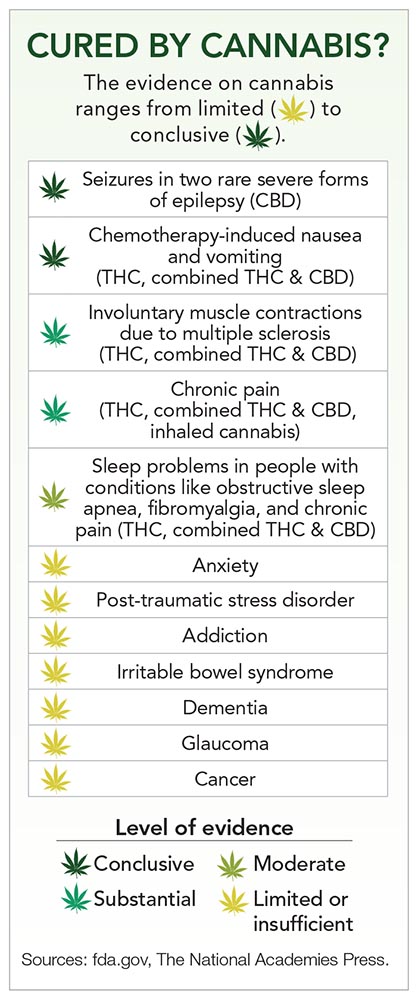
Cannabis Plus Opioids in Chronic Pain: Not a Great Combo

Previous research by Humphreys and colleagues showed that people who used medical cannabis also had higher rates of opioid use and misuse. “This is one of many examples where claims about the benefits of medical cannabis are not supported by evidence,” Humphreys told MedPage Today.  The current study had several limitations: it relied on cross-sectional, self-reported data and was subject to possible selection bias and confounding. It also did not assess the frequency or quantity of cannabis or opioid use, or the type of chronic pain.

Long-term Effects of Metformin on Diabetes Prevention: Identification of Subgroups That Benefited Most in the Diabetes Prevention Program and Diabetes Prevention Program Outcomes Study

CONCLUSIONS – Metformin reduces the development of diabetes over 15 years. The subsets that benefitted the most include subjects with higher baseline fasting glucose or HbA1c and women with a history of GDM.

You can access the abstract and full study online at this link to the Diabetes Journal.

The commentary article at this link is also an interesting read.

More Evidence for a Prevention-Related Indication for Metformin: Let the Arguments Resume!