
It all started with an argument. Opening the refrigerator door. I say to my wife, scowling, “Why do we have so much cheese? We have talked about this.” Compared to milk, cheese is less nutrient dense and contains more calories. 1,211 more words
It all started with an argument. Opening the refrigerator door. I say to my wife, scowling, “Why do we have so much cheese? We have talked about this.” Compared to milk, cheese is less nutrient dense and contains more calories. 1,211 more words
A research team has found that electronic cigarettes, often targeted to youth and pregnant women, produce a stress response in neural stem cells, which are critical cells in the brain.
Hmmm………
Cardiovascular Corner Low Lipids, Metformin, and Plant-Based Diets
Substituting red meat with high-quality plant protein sources was associated with more favorable changes in cardiovascular risk factors relative to dietary replacements combined in a recent meta-analysis of randomized clinical trials (RCTs) published in Circulation.
 By Jenny Klion
Acknowledge that you are, in fact, the oldest living being in your class, older probably than the classroom itself, and definitely older than your eye-candy teacher.
If and when you are not the object of any classmate’s romantic or sexual affection: let it go. You had your turn, and you did it well. Remember that at one time, you too might have wondered who that random older woman was—the one looking to get laid at the summer writing workshop.
Realize you may miss out on some late night social intrigue, since you have opted out of staying in the dorms due to the nightmare scenario of shared coed bathrooms. Harken back to the time when you knew you were done doing circus work, because you ultimately couldn’t live without porcelain.
Know that your work may scream Boomer themes and concerns—your poor little rich girl saga, for example—and…
View original post 253 more words
Eating More Red Meat Lately? You May Want to Reconsider That
Adults who up their red meat intake may face increased mortality risk, suggests an analysis in The BMJ.
The analysis included over 80,000 U.S. health professionals (about two-thirds women) who completed numerous food-frequency questionnaires over two decades. Researchers examined whether changes in red meat consumption over 8 years were associated with mortality risk in the subsequent 8 years. People with histories of cardiovascular disease or cancer were excluded.
During follow-up, some 14,000 participants died. After multivariable adjustment, those who increased their red meat consumption by more than 0.5 servings a day saw a significant 10% increase in mortality risk — regardless of their baseline intake.
Decreases in red meat consumption were associated with decreased mortality risk — but only when they were accompanied by increases in other proteins or plant-based foods like fish, nuts, or whole grains.
BMJ article link below.
ConclusionsSoy protein significantly reduced LDL cholesterol by approximately 3–4% in adults. Our data support the advice given to the general public internationally to increase plant protein intake. This trial was registered at clinicaltrials.gov as NCT03468127.
LMAO! Especially the part where Dr. Davis tells everyone to not watch You Tube videos in a You Tube video.
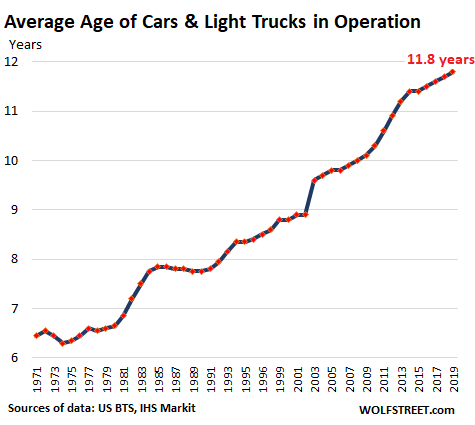
Average Age of Vehicles Sets Record, New-Vehicle Sales Drop to Where They Were 20 Years Ago.
Good article.
Said the owner and driver of a 2006 Ford Taurus.
4% Vegetarian (Including Vegans) (Never eats meat, fish, seafood, or poultry)
2% Vegan (Never eats meat, fish, poultry, dairy, or eggs)
Read the entire survey at this link.
5% of Americans say they are vegetarians, unchanged from 2012
3% say they are vegans, little changed from 2% in 2012
Source: Gallup Poll: Vegetarian and vegan Americans
Reality check.

 lifeunderwriter.net
You must be logged in to post a comment.