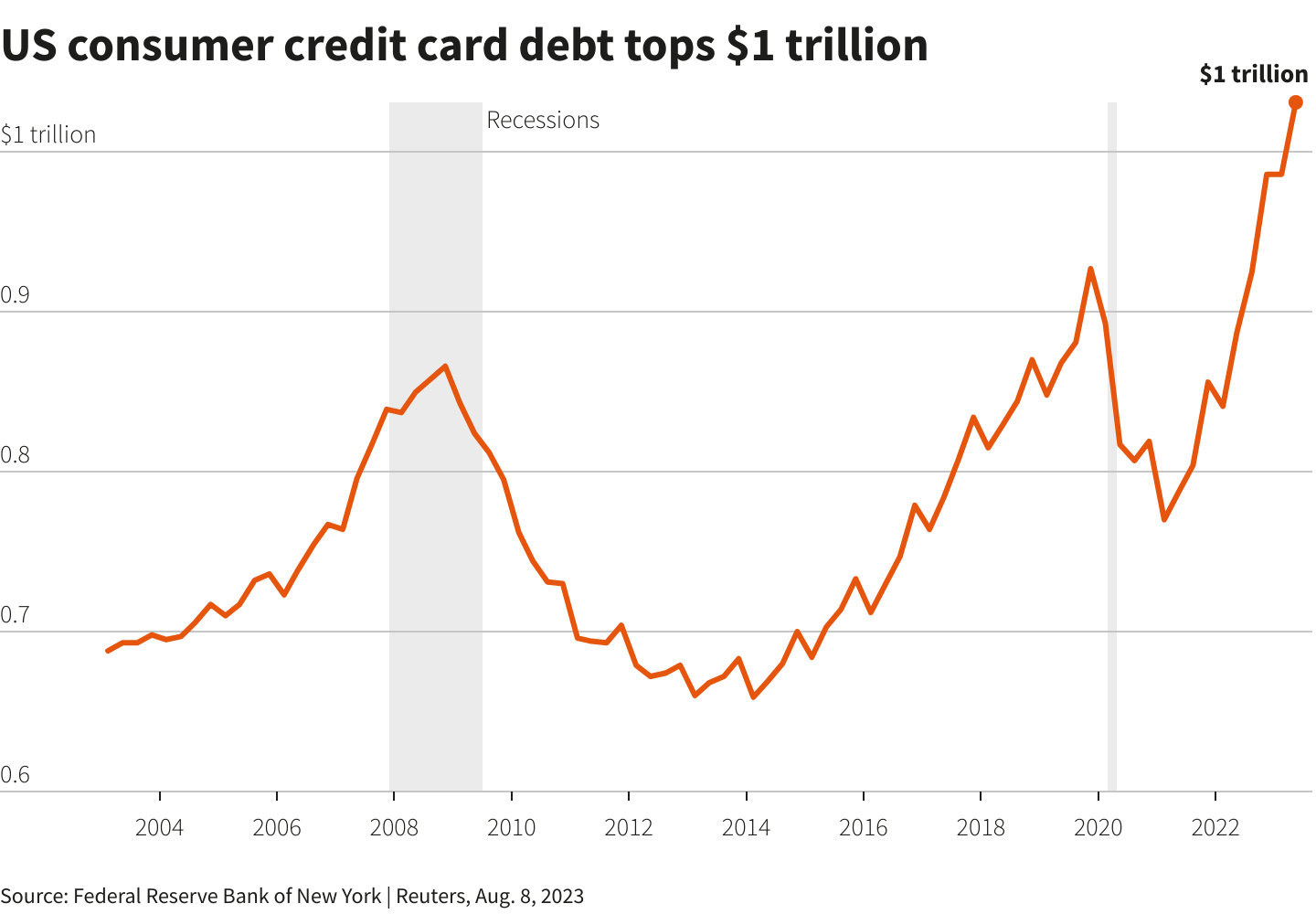
The Dark Side of TikTok – Financial Advice?

The TikToker touting “generational wealth” isn’t alone in promoting the benefits of slapping a child’s name onto credit card debts. TikTok is flooded with influencers who insist that authorizing minors to use their parents or older relatives’ credit cards will set them up for a bright future.

Many of the videos uploaded to the platform are captioned with the hashtag #generationalwealth and suggest that the authorized credit card user trick is a secret hack used by the wealthy.

‘Generational wealth’ influencers are touting the benefits of parents adding their kids to credit card debt—but experts warn it could go badly wrong — https://fortune.com/2023/10/21/building-generational-wealth-parents-children-credit-card-debt/

Parents, don’t do this. TikTok should not be your source for financial advice.

Instead teach your children to save and invest, to live within their means, to understand the difference between needs and wants, to not become an indentured servant to the banking industry.
What to Expect as You Age

Rosanne M. Leipzig is a geriatrician and author of the book, Honest Aging: An Insider’s Guide to the Second Half of Life. An earlier post Unlocking the Secrets to Aging Well pointed to a podcast. The following is an excerpt from an article by Judith Graham at KFF Health News titled Let’s Have an Honest Conversation About What to Expect as You Age https://kffhealthnews.org/news/article/navigating-aging-expectation-adjustment-change/. Graham interviewed Dr. Leipzig for the story.

Can the stages of aging be broken down, roughly, by decade? No, said Leipzig, noting that people in their 60s and 70s vary significantly in health and functioning. Typically, predictable changes associated with aging “start to happen much more between the ages of 75 and 85,” she told me. Here are a few of the age-related issues she highlights in her book:

  • Older adults often present with different symptoms when they become ill. For instance, a senior having a heart attack may be short of breath or confused, rather than report chest pain. Similarly, an older person with pneumonia may fall or have little appetite instead of having a fever and cough.
  • Older adults react differently to medications. Because of changes in body composition and liver, kidney, and gut function, older adults are more sensitive to medications than younger people and often need lower doses. This includes medications that someone may have taken for years. It also applies to alcohol.
  • Older adults have reduced energy reserves. With advancing age, hearts become less efficient, lungs transfer less oxygen to the blood, more protein is needed for muscle synthesis, and muscle mass and strength decrease. The result: Older people generate less energy even as they need more energy to perform everyday tasks.
  • Hunger and thirst decline. People’s senses of taste and smell diminish, lessening food’s appeal. Loss of appetite becomes more common, and seniors tend to feel full after eating less food. The risk of dehydration increases.
  • Cognition slows. Older adults process information more slowly and work harder to learn new information. Multitasking becomes more difficult, and reaction times grow slower. Problems finding words, especially nouns, are typical. Cognitive changes related to medications and illness are more frequent.
  • The musculoskeletal system is less flexible. Spines shorten as the discs that separate the vertebrae become harder and more compressed; older adults typically lose 1 to 3 inches in height as this happens. Balance is compromised because of changes in the inner ear, the brain, and the vestibular system (a complex system that regulates balance and a person’s sense of orientation in space). Muscles weaken in the legs, hips, and buttocks, and range of motion in joints contracts. Tendons and ligaments aren’t as strong, and falls and fractures are more frequent as bones become more brittle.
  • Eyesight and hearing change. Older adults need much more light to read than younger people. It’s harder for them to see the outlines of objects or distinguish between similar colors as color and contrast perception diminishes. With changes to the cornea, lens, and fluid within the eye, it takes longer to adjust to sunlight as well as darkness.
  • Because of accumulated damage to hair cells in the inner ear, it’s harder to hear, especially at high frequencies. It’s also harder to understand speech that’s rapid and loaded with information or that occurs in noisy environments.
  • Sleep becomes fragmented. It takes longer for older adults to fall asleep, and they sleep more lightly, awakening more in the night.

This is by no means a complete list of physiological changes that occur as we grow older.

Ouch.

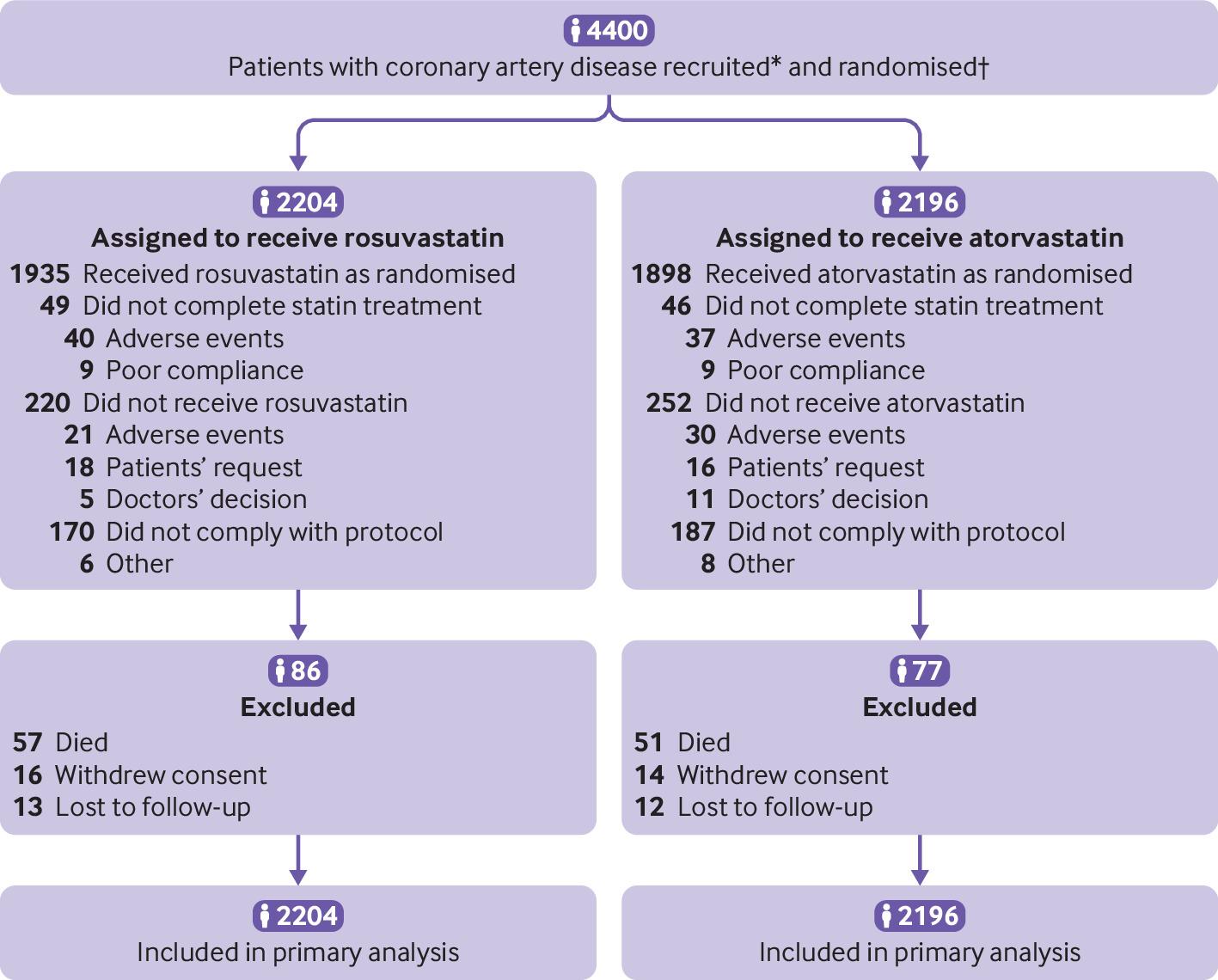
Rosuvastatin vs Atorvastatin in Adults with Coronary Artery Disease

In people with coronary artery disease, rosuvastatin and atorvastatin showed comparable efficacy in terms of a composite of all cause death, myocardial infarction, stroke, or any coronary revascularisation within three years

Rosuvastatin was associated with greater efficacy in reducing LDL cholesterol levels, but it incurred a higher risk of new onset diabetes mellitus requiring antidiabetics and cataract surgery than atorvastatin

Rosuvastatin versus atorvastatin treatment in adults with coronary artery disease: secondary analysis of the randomised LODESTAR trial – BMJ 2023;383:e075837 — https://doi.org/10.1136/bmj-2023-075837

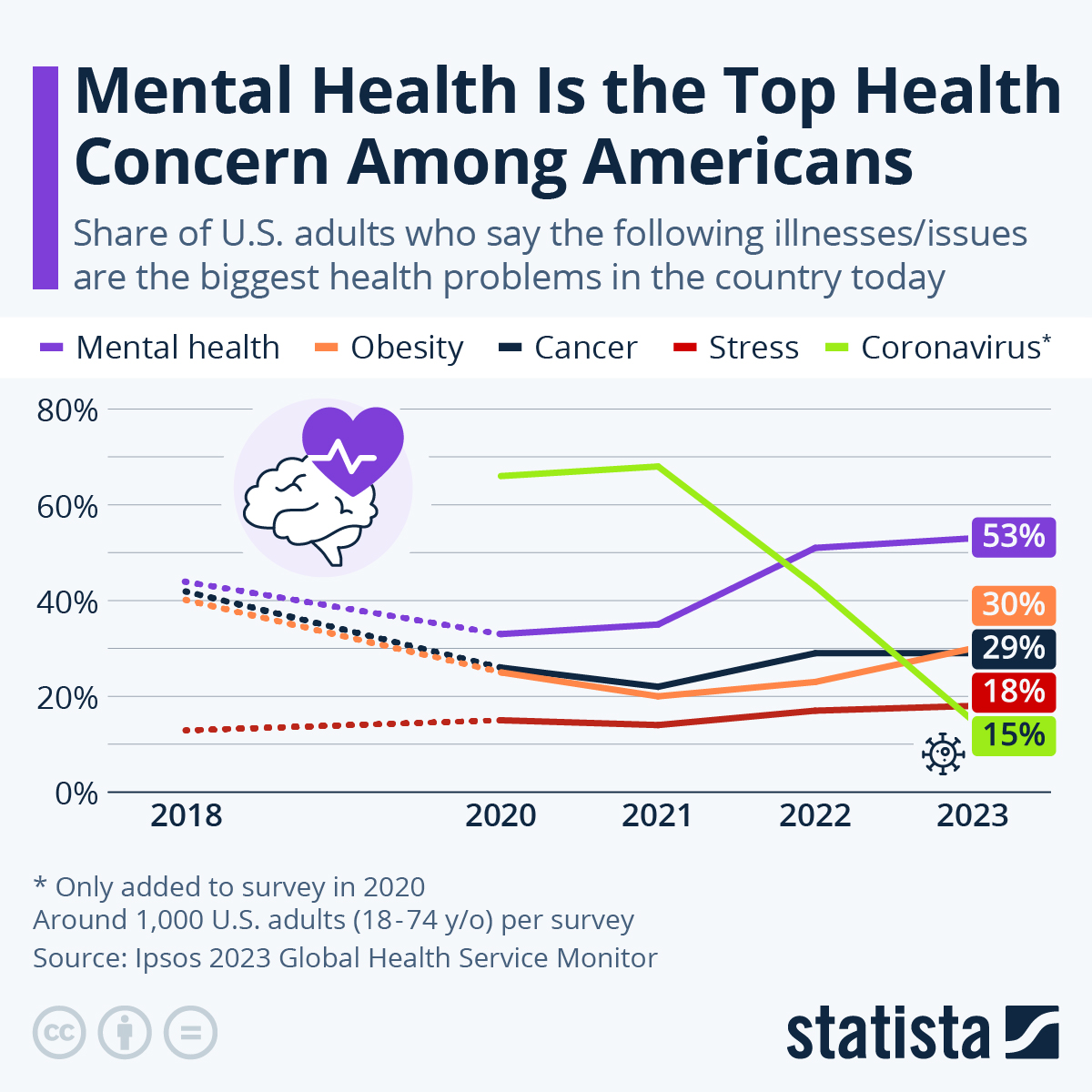
A Perspective on Mental Health Issues

Here’s the full post so you don’t have to go to X.

I am profoundly, profoundly concerned about the psychological health of both children and adults in this country. A culture overemphasizing emotional safety has robbed people of their opportunities for growth. Many people experience these opportunities as a threat, remaining permanently infantile, afraid, and unable and unwilling to cope with adversity as a result. Indeed the culture itself rather than encouraging resilience, persuades people that even minor inconveniences are personal affronts and even signs of systemic injustice visited upon them. As people begin experiencing everything that falls outside of their narrow box of predictable experience as a form of threat to be neutralized, not only are they personally deprived of growth opportunities, but they create a culture of mistrust, rigidity, and sterility, which in turn reduces in society as a whole availability of the kinds of messy experiences that are critically important for self-discovery, personal growth, and psychological resilience. The outcome is a society of the over-socialized, of the outraged, of the rule-abiding, of the sterile, and ultimately of the psychologically unwell, of the poorly adapted with scant psychological reserve for problems, crises, or even just interesting experiences that fall outside the norm but which in just days or weeks can provide the equivalent of years of life experience. By protecting everyone, we have destroyed the normal maturation process that is a central to creating psychologically well-functioning adults. The fruits of this are, well, that many young adults are now thoroughly psycho-pathological and unable to deal healthily with the normal stresses of life. I cannot be the only one to observe this and it disturbs me beyond words.

Kevin Bass PhD MS – posted on X 10.15.23

Reversing Diabetes in Alabama

Reversing type 2 diabetes through a low-carbohydrate diet is clearly an evidence-based approach. Yet, thus far, the U.S. Department of Agriculture (USDA), which runs the scientific reviews for the U.S. Dietary Guidelines for Americans, the nation’s top nutrition policy, has neglected to acknowledge any of the more than 100 clinical trials on this diet. In the scientific reviews currently underway for the next iteration of the guidelines, due out in 2025, the USDA has declined even to examine this scientific literature. 

Reversing Diabetes in Alabama — https://www.nutritioncoalition.us/news/reversing-diabetes-in-alabama

“Let food be thy medicine and medicine be thy food”

Hippocrates, the father of medicine

Even More Random Thoughts on Retirement – October 2023

Source: https://www.statista.com/chart/31034/change-in-behavior-in-response-to-inflation/

Muscle loss and chronic disease

One of the most important parts of exercise programming, no matter who I am working with, is proper resistance training to build muscle strength. Some amount of age-related loss of muscle function is normal and inevitable. But by incorporating resistance training that is appropriate and safe at any ability level, you can slow down the rate of decline and even prevent some loss of muscle function.

The medical term for a condition that involves age-related loss of muscle function and mass is sarcopenia. Sarcopenia can begin as early as age 40, but it tends to be more common in adults age 60 and older. Sarcopenia is associated with a number of health issues such as increased risk of falling, cardiovascular disease and metabolic disease, among others.

In one of our team’s previous studies, we saw that otherwise healthy individuals with sarcopenia had issues delivering vital nutrients to muscle. This could lead to greater likelihood of various diseases, such as Type 2 diabetes, and slow down recovery from exercise.

Recent estimates suggest that sarcopenia affects 10% to 16% of the elderly population worldwide. But even if a person doesn’t have clinically diagnosed sarcopenia, they may still have some of the underlying symptoms that, if not dealt with, could lead to sarcopenia.

Steep physical decline with age is not inevitable – here’s how strength training can change the trajectoryhttps://theconversation.com/steep-physical-decline-with-age-is-not-inevitable-heres-how-strength-training-can-change-the-trajectory-213131

Reducing overall calorie intake may rejuvenate your muscles and activate biological pathways important for good health, according to researchers. Decreasing calories without depriving the body of essential vitamins and minerals, known as calorie restriction, has long been known to delay the progression of age-related diseases in animal models. This new study suggests the same biological mechanisms may also apply to humans.

NIH/National Institute on Aging. “Calorie restriction in humans builds strong muscle and stimulates healthy aging genes.” ScienceDaily. ScienceDaily, 13 October 2023. https://www.sciencedaily.com/releases/2023/10/231013150733.htm

When I said random thoughts I meant it.

Is Your Car Insurance More Expensive?

For me, yes.

I found the above on my insurance company’s policy portal. I totally get the first two items but the third reason caught me off guard. I really shouldn’t be surprised since a lot of people forgot how to drive coming out of the Pandemic. Recently over a two day span I encountered three idiots in less than 45 minutes of drive time.

  • In the parking lot of the grocery store a guy pulls out of his spot and starts driving directly towards me. We were both going slow so the head on wouldn’t have been too catastrophic. I braked and stopped. He kept driving straight at me. Was he having a medical issue, a seizure perhaps? This driver then slowly does a very wide U-turn, crosses the parking spaces and starts to head off. SMH.
  • On the way home (SAME DAY) a different idiot decides to make a left turn from the far right lane and cuts me off. SMH x2. On this day I was averaging one idiot every 15 minutes.
  • Last but not least another idiot darted out of a cross street, cuts me off and starts speeding away.

So if you want to know why your car insurance premiums are higher it’s because of the idiots. Pretty soon, premiums will go up again because of the robots.

A woman was found trapped under a driverless car. It’s not what it looks like, the car company said — https://www.cnn.com/2023/10/03/tech/driverless-car-pedestrian-injury/index.html

Thank you all for letting me vent.

I’m not leaving the house today.