ASCOT-Legacy 20-year follow-up – Long-term Benefits of Atorvastatin

Patients allocated to atorvastatin had a significant reduction in non-fatal myocardial infarction (MI) and fatal coronary heart disease (CHD) events (HR (95% CI) 0.81 (0.69 to 0.94, p=0.006)), total coronary events (0.88 (0.80 to 0.98, p=0.017)) and CV deaths (0.86 (0.74 to 0.99, p=0.048)). No significant reduction in heart failure (HF), strokes, total CV events and all-cause mortality was observed. Long-term benefits of atorvastatin on the incidence of cardiovascular events: the ASCOT-Legacy 20-year follow-uphttps://heart.bmj.com/content/early/2025/03/25/heartjnl-2024-325104

Dr. M. Zann McMahan, thank you.
Heart Attacks Happen in the Young

Dr Ravi Prakash, senior consultant in cardiology at PSRI Hospital, Delhi, said that data from hospitals across India between 2020 and 2023 show that 50% of heart attack patients are below the age of 40. Doctors and researchers are alarmed by the growing number of cardiac arrests among individuals under 40 years of age. Experts attribute this rise to sedentary lifestyle, stress, poor diet, smoking, alcohol consumption, and even genetic factors. 50% of heart attack cases since 2020 among adults below 40https://www.newindianexpress.com/amp/story/xplore/2025/Feb/24/50-of-heart-attack-cases-since-2020-among-adults-below-40

Prevention of MI in young individuals is an important public health problem. Despite being categorized as “low risk” prior to their events, most young individuals who experience an MI have pre-existing risk factors, such as obesity, diabetes, hypertension, and hyperlipidemia. Tobacco use, which occurs in approximately 50% of young adults who experience an MI, remains one of the most important modifiable risk factors. Additionally, substance abuse, tobacco use, diabetes, left ventricular systolic dysfunction, and systemic inflammatory disease are all associated with a worse long-term prognosis in those who experience an MI at a young age. Not All Heart Attacks are Created Equal: Thinking Differently About Acute Myocardial Infarction in the Younghttps://journal.houstonmethodist.org/articles/10.14797/mdcvj.345

Yikes.

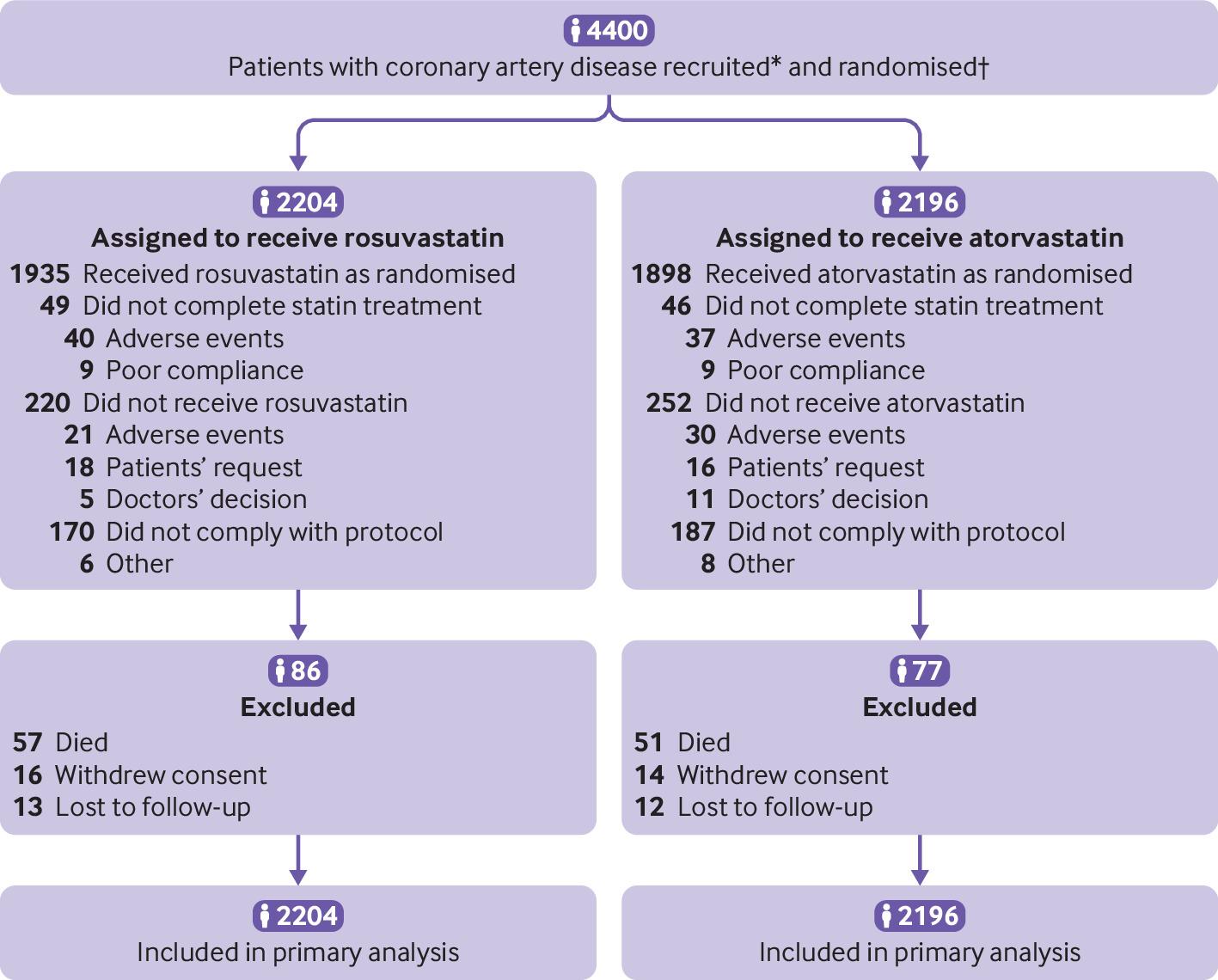
Rosuvastatin vs Atorvastatin in Adults with Coronary Artery Disease

In people with coronary artery disease, rosuvastatin and atorvastatin showed comparable efficacy in terms of a composite of all cause death, myocardial infarction, stroke, or any coronary revascularisation within three years

Rosuvastatin was associated with greater efficacy in reducing LDL cholesterol levels, but it incurred a higher risk of new onset diabetes mellitus requiring antidiabetics and cataract surgery than atorvastatin

Rosuvastatin versus atorvastatin treatment in adults with coronary artery disease: secondary analysis of the randomised LODESTAR trial – BMJ 2023;383:e075837 — https://doi.org/10.1136/bmj-2023-075837

Brussels Chicory Stabilizes Unstable Atherosclerotic Plaques and Reshapes the Gut Microbiota (in Mice)

Brussels chicory might help stabilize atherosclerotic plaques in mice by reducing intestinal permeability and gut microbial LPS production. This study provides a promising approach to slow the progression of atherosclerosis.

The Journal of Nutrition, Volume 152, Issue 10, October 2022, Pages 2209–2217, https://doi.org/10.1093/jn/nxac103

Does not look like mice food.

(Image borrowed from the internet. If you own the copyright on this photo let me know and I’ll delete immediately. If copyright infringement has occurred I assure you it was unintentional.)

Brussels chicory aka Belgian endive aka Witloof. We don’t eat much of this vegetable in the US. Maybe because virtually no one grows it.

Demand has grown such that California Endive Farms, who are the only commercial endive producer in the country, has had to expand their operations in order to keep up.

Belgian endive consumption in the US on the rise — https://www.infiniteherbs.com/belgian-endive-consumption-in-the-us-on-the-rise/

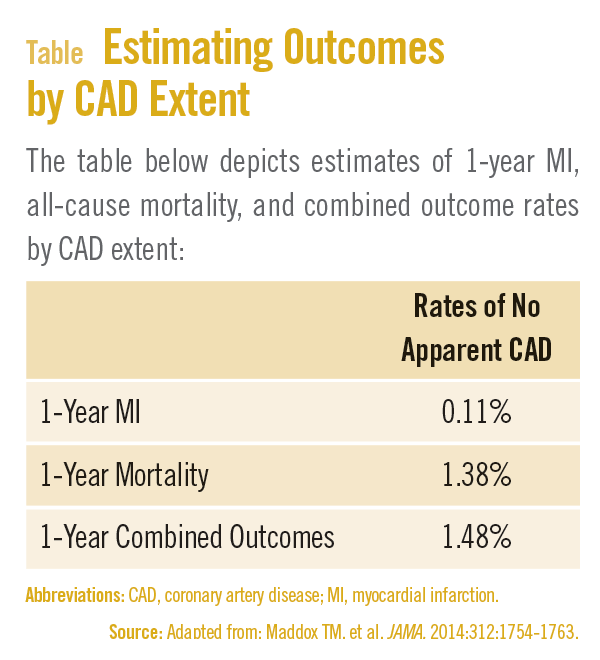
Non-Obstructive CAD & Heart Attack Risks | Physician’s Weekly for Medical News, Journals & Articles

Physician’s Weekly provides news & information online and at the point-of-care to hospitals, oncology centers & physician group practices, including specialty editions for Surgery, Emergency Departments, Oncology & Primary Care.

Source: Non-Obstructive CAD & Heart Attack Risks | Physician’s Weekly for Medical News, Journals & Articles

North Atlantic Clam That Lives for Centuries Yields Insights on Cardiac Aging | NCCIH

The typical heart in aquatic invertebrate animals such as clams, oysters, and mussels has many strong similarities to the human heart. The Arctica islandica, or ocean quahog, is the longest-living, non-colony-dwelling animal ever identified; so far, the oldest identified specimen survived to age 508 (age is identified by counting shell growth rings).

via North Atlantic Clam That Lives for Centuries Yields Insights on Cardiac Aging | NCCIH.