Journal article abstract here: https://www.nature.com/articles/s41569-025-01121-6
Video here: https://www.vumedi.com/video/the-relationship-between-cannabis-and-cardiovascular-disease/
Yikes.
Journal article abstract here: https://www.nature.com/articles/s41569-025-01121-6
Video here: https://www.vumedi.com/video/the-relationship-between-cannabis-and-cardiovascular-disease/
Yikes.
Patients allocated to atorvastatin had a significant reduction in non-fatal myocardial infarction (MI) and fatal coronary heart disease (CHD) events (HR (95% CI) 0.81 (0.69 to 0.94, p=0.006)), total coronary events (0.88 (0.80 to 0.98, p=0.017)) and CV deaths (0.86 (0.74 to 0.99, p=0.048)). No significant reduction in heart failure (HF), strokes, total CV events and all-cause mortality was observed. Long-term benefits of atorvastatin on the incidence of cardiovascular events: the ASCOT-Legacy 20-year follow-up – https://heart.bmj.com/content/early/2025/03/25/heartjnl-2024-325104
Dr. M. Zann McMahan, thank you.
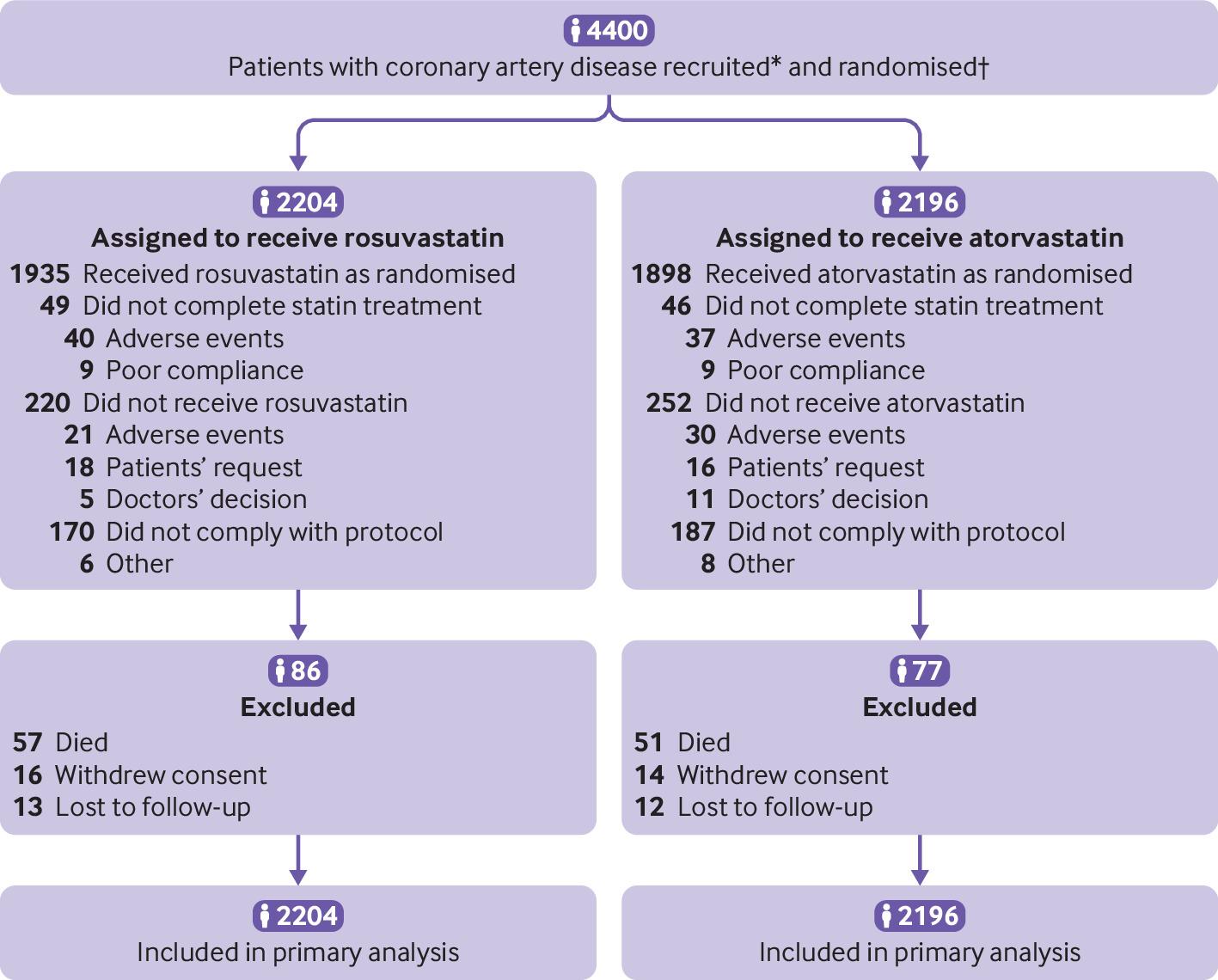
In people with coronary artery disease, rosuvastatin and atorvastatin showed comparable efficacy in terms of a composite of all cause death, myocardial infarction, stroke, or any coronary revascularisation within three years
Rosuvastatin was associated with greater efficacy in reducing LDL cholesterol levels, but it incurred a higher risk of new onset diabetes mellitus requiring antidiabetics and cataract surgery than atorvastatin
Rosuvastatin versus atorvastatin treatment in adults with coronary artery disease: secondary analysis of the randomised LODESTAR trial – BMJ 2023;383:e075837 — https://doi.org/10.1136/bmj-2023-075837
 lifeunderwriter.net
You must be logged in to post a comment.