In a registry-based cohort study, Seena Fazel and colleagues test for within-individual associations between SSRI prescription and violent crime.
Source: PLOS Medicine: Selective Serotonin Reuptake Inhibitors and Violent Crime: A Cohort Study
In a registry-based cohort study, Seena Fazel and colleagues test for within-individual associations between SSRI prescription and violent crime.
Source: PLOS Medicine: Selective Serotonin Reuptake Inhibitors and Violent Crime: A Cohort Study
I’ve cut and pasted an email from Health After 50, a free newsletter from Scientific American. My first thought was dig deeper. The uninformed masses might take this information to their physician and start creating demand for these drugs. Would you be surprised that the cost could be as high as $1000.00 per month?
PCSK9 Inhibitors: The Needle, the Cost, the Barriers | Medpage Today
There are still some highly effective generic statins where $10.00 buys you a 90 day supply. There are OTC options to help with muscle pain and cramps. You have to ask what good will these new drugs do if no one can afford them?
God Bless America. We now have PCSK9 (proprotein convertase subtilisin/kexin 9) inhibitors.
The Promising Alternative to Statins
Every so often medication comes along that sends the world of medicine’s collective heart aflutter. Cholesterol-lowering newcomers alirocumab (Praluent) and evolocumab (Repatha) are the current favorites.
Both medications are part of a new class of drugs called PCSK9 inhibitors. As the “inhibitor” in the name implies, these drugs work by inhibiting proprotein convertase subtilisin/kexin 9, a protein that makes it more difficult for the liver to remove cholesterol. By blocking this substance, the medication is able to lower the LDL cholesterol circulating in the blood. In clinical trials, PCSK9 inhibitors have been shown to lower LDL levels significantly beyond what can be achieved with statin drugs, which have been the standard cholesterol-lowering therapy for more than two decades. And they did so without the most common side effect of statins: muscle pain.
…heroin epidemic — a 100% rise in heroin addiction among Americans between 2002 and 2013.
via Cincinnati Hospitals to Screen All New Moms, Newborns for Heroin | Medpage Today.
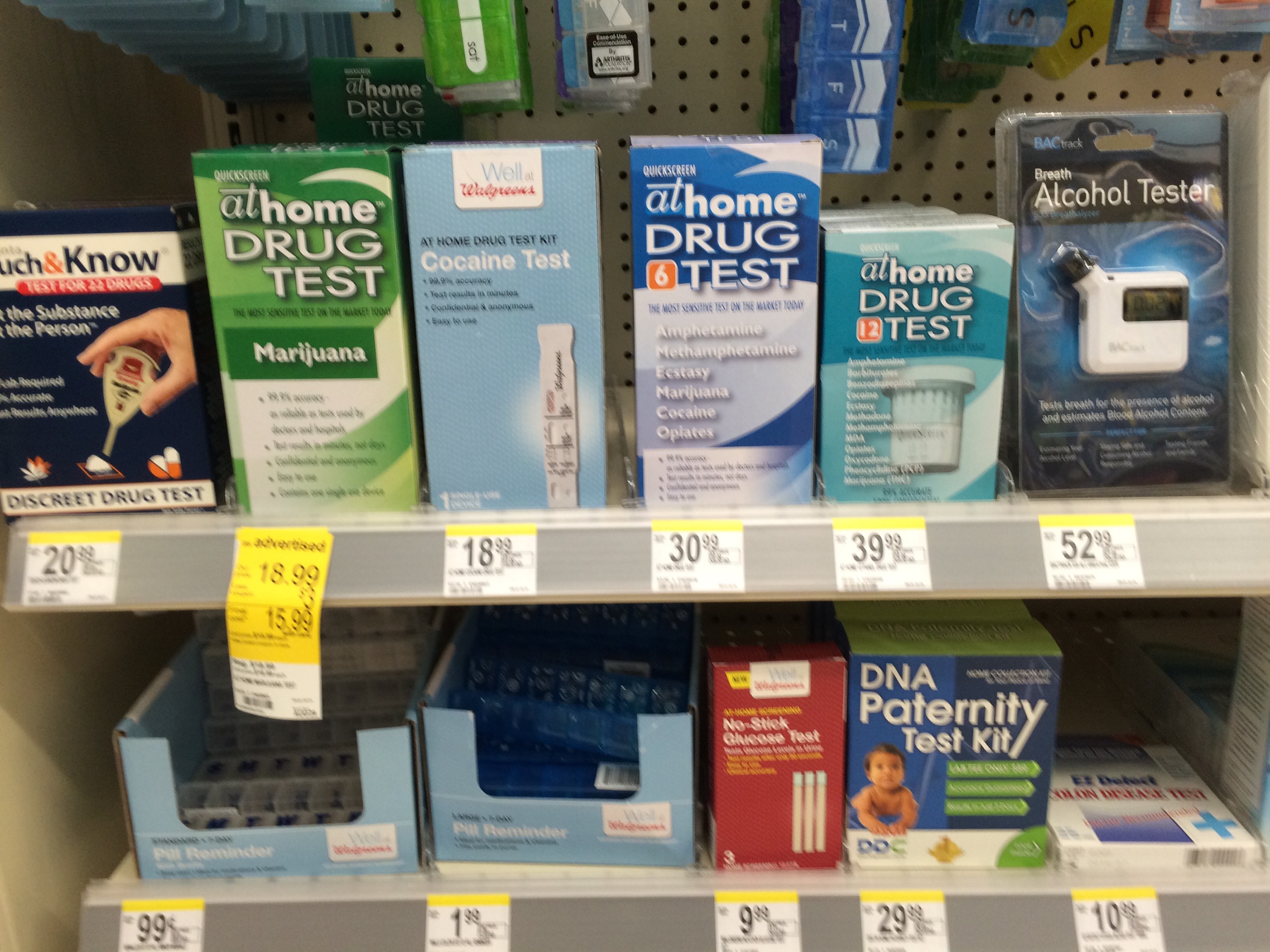 I was in the pharmacy today and stumbled upon these testing kits.
What’s the point of testing for drugs of abuse in applicants for life insurance when they can easily test themselves prior to submitting blood for the company?
27 fatalities from laboratory-confirmed exposure to PMMA (“Dr. Death”) | The Poison Review.
Meet “Dr. Death”: PMMA and PMA | The Poison Review.
Quote from one of the physicians in the video clip:
Your organs melt.
A 2013 report by the federal Substance Abuse and Mental Health Services Administration found that emergency room visits related to nonmedical use of prescription stimulants among adults 18 to 34 tripled from 2005 to 2011, to almost 23,000.
via Workers Seeking Productivity in a Pill Are Abusing A.D.H.D. Drugs – NYTimes.com.
“It is necessary — necessary for survival of the best and the smartest and highest-achieving people.”
Comparison of opioid analgesic-related mortality between those enrolled or not enrolled in Medicaid shows considerably higher death rates and a more rapid increase in mortality among Medicaid enrollees. The consistently higher age-adjusted death rates for poisonings involving opioid analgesics among Medicaid enrollees (after stratifying data by sex) suggest that differences in age and sex distributions do not underlie these Medicaid/non-Medicaid differences. Other factors, such as the greater prevalence of mental illness and substance abuse in the Medicaid population (6), might contribute to the observed differences.
via Poisoning Deaths Involving Opioid Analgesics — New York State, 2003–2012.
Maybe the title should be Socioeconomic Status and Death.
 lifeunderwriter.net
You must be logged in to post a comment.