I wish upon you ample doses of pain and suffering.
Nvidia CEO Jensen Huang
Lifelong Learning
The Best Retirement Letter Ever
My favorite excerpt from the letter:
Let’s be honest, some people in academia are horrible, arrogant, selfish and narcissistic. And no matter how much the people at the top say they deal with bad behaviour, the nasty folk do have an annoying habit of getting promoted. The way in which academia selects and rewards particular skill sets produces an over-concentration of people who are low on empathy. I’ve met a lot of those ‘special’ colleagues over the years (no names mentioned obviously). I will not miss them one jot. They create a toxic working environment , dominate the discourse, ride roughshod over the rules, and cause a great deal of harm to others and get away scot-free. They’ve done me significant mental damage, but I can now happily forget them and move on with life.
My recommendation to anyone starting out in academia is stand your ground, challenge these energy vampires and politely make it clear that you don’t want to play their stupid toxic games. They really don’t have the power that they want you to believe they have, even though the system tends to promote them to roles that are beyond their emotional competence to fulfill. Pity them for the lack of other things to do with their lives. And, remember that 98% of what we do as academics is of no importance at all out there in the real world, so when a self-entitled colleague insists that their work on their favourite gene is earth-shattering; more important than anything you could ever do; and a good reason for their career to be advanced faster than yours; just smile and ignore them. Do your own thing, at your own pace. Have a life outside the university and remember that it’s just a job.
https://journalofhumannutritionanddieteticseditor.wordpress.com/2023/11/27/thats-it/
The Dark Side of TikTok – Financial Advice?
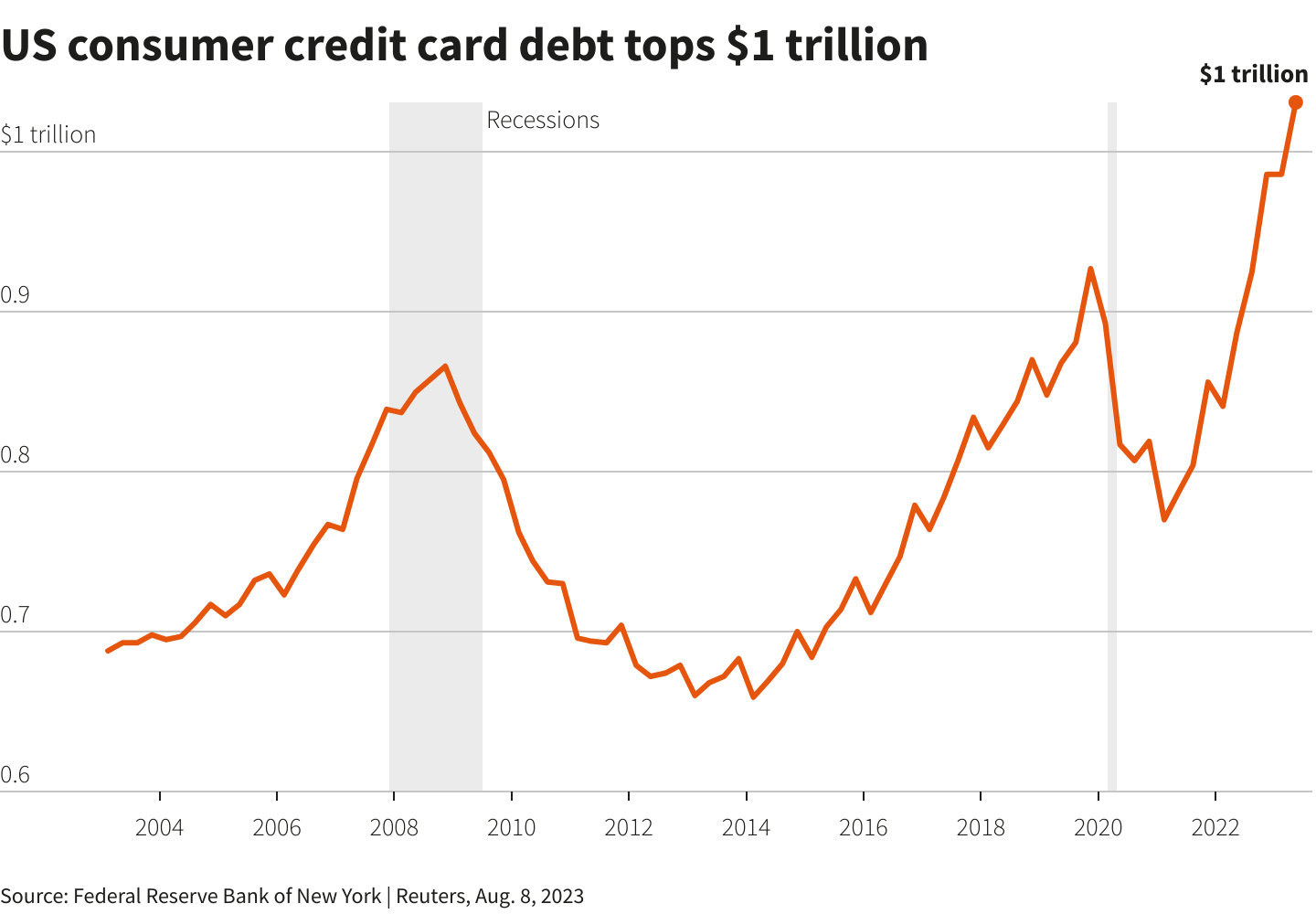
The TikToker touting “generational wealth” isn’t alone in promoting the benefits of slapping a child’s name onto credit card debts. TikTok is flooded with influencers who insist that authorizing minors to use their parents or older relatives’ credit cards will set them up for a bright future.
Many of the videos uploaded to the platform are captioned with the hashtag #generationalwealth and suggest that the authorized credit card user trick is a secret hack used by the wealthy.
‘Generational wealth’ influencers are touting the benefits of parents adding their kids to credit card debt—but experts warn it could go badly wrong — https://fortune.com/2023/10/21/building-generational-wealth-parents-children-credit-card-debt/
Parents, don’t do this. TikTok should not be your source for financial advice.
Instead teach your children to save and invest, to live within their means, to understand the difference between needs and wants, to not become an indentured servant to the banking industry.
What to Expect as You Age
Rosanne M. Leipzig is a geriatrician and author of the book, Honest Aging: An Insider’s Guide to the Second Half of Life. An earlier post Unlocking the Secrets to Aging Well pointed to a podcast. The following is an excerpt from an article by Judith Graham at KFF Health News titled Let’s Have an Honest Conversation About What to Expect as You Age https://kffhealthnews.org/news/article/navigating-aging-expectation-adjustment-change/. Graham interviewed Dr. Leipzig for the story.
Can the stages of aging be broken down, roughly, by decade? No, said Leipzig, noting that people in their 60s and 70s vary significantly in health and functioning. Typically, predictable changes associated with aging “start to happen much more between the ages of 75 and 85,” she told me. Here are a few of the age-related issues she highlights in her book:
- Older adults often present with different symptoms when they become ill. For instance, a senior having a heart attack may be short of breath or confused, rather than report chest pain. Similarly, an older person with pneumonia may fall or have little appetite instead of having a fever and cough.
- Older adults react differently to medications. Because of changes in body composition and liver, kidney, and gut function, older adults are more sensitive to medications than younger people and often need lower doses. This includes medications that someone may have taken for years. It also applies to alcohol.
- Older adults have reduced energy reserves. With advancing age, hearts become less efficient, lungs transfer less oxygen to the blood, more protein is needed for muscle synthesis, and muscle mass and strength decrease. The result: Older people generate less energy even as they need more energy to perform everyday tasks.
- Hunger and thirst decline. People’s senses of taste and smell diminish, lessening food’s appeal. Loss of appetite becomes more common, and seniors tend to feel full after eating less food. The risk of dehydration increases.
- Cognition slows. Older adults process information more slowly and work harder to learn new information. Multitasking becomes more difficult, and reaction times grow slower. Problems finding words, especially nouns, are typical. Cognitive changes related to medications and illness are more frequent.
- The musculoskeletal system is less flexible. Spines shorten as the discs that separate the vertebrae become harder and more compressed; older adults typically lose 1 to 3 inches in height as this happens. Balance is compromised because of changes in the inner ear, the brain, and the vestibular system (a complex system that regulates balance and a person’s sense of orientation in space). Muscles weaken in the legs, hips, and buttocks, and range of motion in joints contracts. Tendons and ligaments aren’t as strong, and falls and fractures are more frequent as bones become more brittle.
- Eyesight and hearing change. Older adults need much more light to read than younger people. It’s harder for them to see the outlines of objects or distinguish between similar colors as color and contrast perception diminishes. With changes to the cornea, lens, and fluid within the eye, it takes longer to adjust to sunlight as well as darkness.
- Because of accumulated damage to hair cells in the inner ear, it’s harder to hear, especially at high frequencies. It’s also harder to understand speech that’s rapid and loaded with information or that occurs in noisy environments.
- Sleep becomes fragmented. It takes longer for older adults to fall asleep, and they sleep more lightly, awakening more in the night.
This is by no means a complete list of physiological changes that occur as we grow older.

Ouch.

What the Scientists Who Pioneered Weight-Loss Drugs Want You to Know – Wired Magazine
What happens is that you lose your appetite and also the pleasure of eating, and so I think there’s a price to be paid when you do that. If you like food, then that pleasure is gone. The craving for food for some people is taken away when they take GLP-1 drugs.
So you don’t eat through GLP-1 therapy because you’ve lost interest in food. That may eventually be a problem, that once you’ve been on this for a year or two, life is so miserably boring that you can’t stand it any longer and you have to go back to your old life.
What the Scientists Who Pioneered Weight-Loss Drugs Want You to Know – https://www.wired.com/story/obesity-drugs-researcher-interview-ozempic-wegovy/
Just another GLP-1 receptor agonist post. See Tirzepatide (another GLP-1 receptor agonist post) for more on the new miracle weight loss drugs that were originally developed to treat duodenal ulcer disease (bet you thought it was diabetes).
The entire article is worth reading.
Unlocking the Secrets to Aging Well
Rosanne M. Leipzig is a geriatrician and author of the book, Honest Aging: An Insider’s Guide to the Second Half of Life. Click here for the podcast: https://www.kevinmd.com/2023/06/unlocking-the-secrets-to-aging-well-podcast.html
More Random Thoughts on Retirement – June 2023
Another quiet Sunday and I’m thinking about retirement (again). Writers read a lot. I’ll typically have quite a number of books started in various stages of completion. Recently I started reading the first in a series of books titled The Write Quotes: The Writing Life. The quotes paint similarities of thoughts and experiences and are amazing. You realize you are never alone in any of life’s adventures.
Since 2021, more than 1.5 million seniors have reentered the workforce. There were about 10.6 million people ages 65 to 74 employed in 2020, according to 2021 data from the U.S. Labor Department.
That number is expected to increase.
Retiring from retirement: Whether for financial reasons or boredom, a growing number of older adults are rejoining the workforce — https://triblive.com/local/valley-news-dispatch/back-to-work-whether-for-financial-reasons-or-boredom-a-growing-number-of-older-adults-are-rejoining-the-workforce/
Just last month I came to the realization that (I am) Flunking Retirement. When 65 rolled around I started collecting a small corporate defined benefit pension. Years ago the monthly amount had a lot more purchasing power than it does now. Still, I feel fortunate to have this income stream.
In yesteryear, the pension was a staple of the American working class experience—reach retirement age and you could expect to live out your years modestly, yet comfortably, off of monthly payments from your former employer. However, since the 1980s, companies offering pensions are a dwindling breed. Instead, most employers offer defined contribution programs such as 401(k) plans. Only a handful of industries (such as the military, public works and education) still offer pension plans to their retirees.
Why Pensions Are Dying And How You Can Create Your Own —https://www.forbes.com/sites/forbesfinancecouncil/2023/06/05/why-pensions-are-dying-and-how-you-can-create-your-own/?sh=4970c87ec9d4
When I reached my US Social Security FRA (full retirement age) I didn’t retire nor start collecting benefits. Delaying social security payments until age 70 translates into about an 8% increase in benefits annually. If you’re healthy and you don’t need the income for necessities, it’s worth the wait.
Working longer is a powerful lever. Social Security benefits claimed at 70 instead of at 62 are at least 76 percent higher, and the additional years of work allow 401(k) assets to increase and reduce the period of time that the assets need to cover. In fact, my research shows that the vast majority of millennials will be fine if they work to age 70. And although that might sound old, it’s historically normal in another sense: Retiring at 70 leaves the ratio of retirement to working years the same as when Social Security was originally introduced.
Millennials and retirement: How bad is it? — https://www.politico.com/agenda/story/2018/06/07/millennials-preparing-for-retirement-000670/
Millennials are not the only generation ill-prepared for retirement.
America’s 65 million Generation Xers (born between 1965 and 1980) are confronted with a new set of financial challenges that are redefining their plans for retirement, just as they enter their final working years, according to Prudential Financial, Inc.’s latest Pulse research survey, “Gen X: Retirement Revised.”
Generation X confronts harsh new reality of retirement: unreadiness — https://news.prudential.com/generation-x-confronts-harsh-new-reality-retirement-unreadiness.htm
Remember A Plan is Not a Strategy – Update 08.03.22? Having a plan for retirement is great but not all plans turn out as planned. My last executive position ended up being my last executive position and trust me, that was not what I planned. It’s a good thing that my strategy worked a lot better than my plans.
Stay tuned for the next installment of my random thoughts on retirement where I will document (finally) the integrative choices I’ve made that comprise my retirement strategy.
The 2nd Number One Investment Idea for 2023
Invest in yourself, your family, and your friends. Invest in life. If you need to lose weight, do it. Spend more quality time with your friends, family, and love ones.
Here’s My Number One Investment Idea For 2023 – https://mishtalk.com/economics/heres-my-number-one-investment-idea-for-2023
And the 2nd Number One Investment Idea for 2023.
The Number One Investment Idea for 2023
Invest in yourself, your family, and your friends. Invest in life. If you need to lose weight, do it. Spend more quality time with your friends, family, and love ones.
Here’s My Number One Investment Idea For 2023 – https://mishtalk.com/economics/heres-my-number-one-investment-idea-for-2023
Scary Charts – 11.02.22
HT to Barry Rithotlz at https://ritholtz.com/ for finding and posting cool charts.
I pass them along because they’re scary.

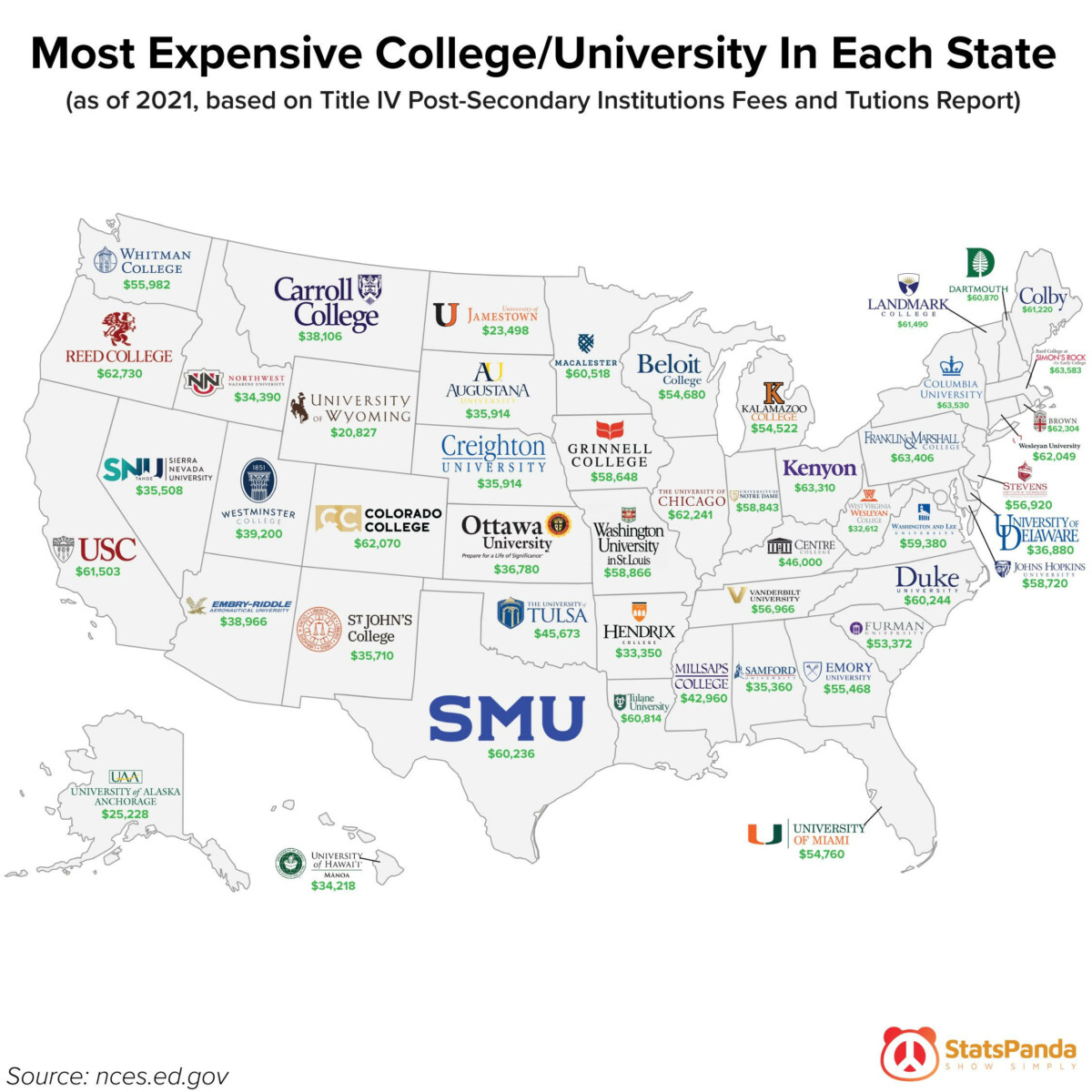
How’s your 529 plan doing?
 lifeunderwriter.net
You must be logged in to post a comment.