occupational risk
Drive By Truckers 2.0
Total drug violations reported into the clearinghouse in 2022, including positive tests and refusals to take a drug test, increased 18% to 69,668 compared with last year’s 59,011, according to the most recent statistics released this week by the Federal Motor Carrier Safety Administration. That rate almost doubled the 9.2% annual increase in drug violations reported in 2021. Much of the increase can be attributed to violations related to marijuana, the substance identified most in positive tests. Marijuana violations increased 31.6% in 2022 compared with 2021, to 40,916. That compares to a 5.3% increase between 2020 and 2021.
Truckers’ positive drug tests up 18% in 2022 — https://www.freightwaves.com/news/truckers-positive-drug-tests-up-18-in-2022
At least binge drinking prevalence is just 19%
Truck drivers have been reported as a highly vulnerable working population due to different risk factors [16,17,18] including hypertension, fatigue [19], obstructive sleep apnea (OSA) and sleep deprivation [20,21], and insufficient physical activity [22]. Other risk factors are exposure to diesel exhaust and risk of developing lung cancer [23], poor diet, obesity, dyslipidemia, and other metabolic disorders [24]. Furthermore, they are prone to risky behaviors and lifestyles such as smoking, drinking, using psychoactive substances, and having casual sexual contacts [25].
Patterns of Harmful Alcohol Consumption among Truck Drivers: Implications for Occupational Health and Work Safety from a Systematic Review and Meta-Analysis — Int J Environ Res Public Health. 2018 Jun; 15(6): 1121.
Published online 2018 May 30. doi: 10.3390/ijerph15061121
I ask them why the industry has a 90 percent attrition rate within the first year. All instantly respond: “No money.” They describe a predatory apprenticeship system that conspires against new drivers seeking to enter the profession. The industry is made up of thousands of mostly small-fleet owners—95 percent of them with 20 trucks or fewer—but dominated by about two dozen giant companies that serve as its gatekeepers. These megacarriers often house schools where some 400,000 new truckers receive commercial driver’s licenses annually. The companies entice people with promises of financial plenty, even as they ensnare them in “training contracts”—binding agreements that require them to drive for the company at below-market wages for a year in exchange for training or else be hit with an exorbitant fee for that training, to be paid off at high interest. Many drivers stick around for the full year to avoid those fees, enduring what amounts to debt peonage.
“I have panic attacks,” he says. “That’s why I drink.”
Life as a 21st-Century Trucker — https://www.wired.com/story/life-as-a-21st-century-trucker/
For the first post in this series see Drive By Truckers.
Workplace Suicide Rates Rise Sharply – NPR
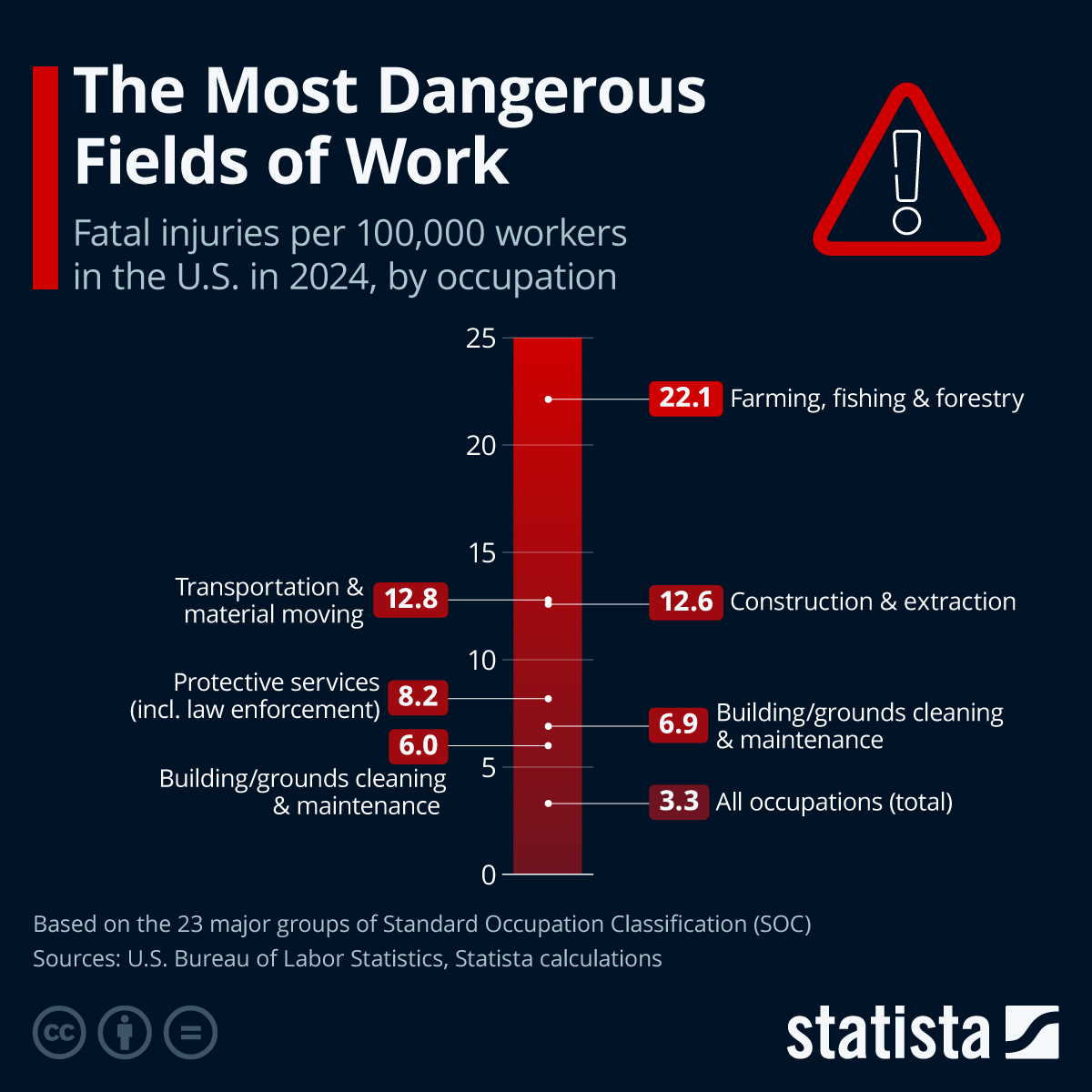
Jobs with greatest risk include law enforcement, firefighting and protective services, such as private detectives and security guards. The suicide rate for the group was 1.5 per million workers per year over the study period. The vast majority of these suicides (84 percent) involved firearms. Easy access to guns for some and the high stress in these jobs may both play roles in the workers’ decisions about suicide.
via Workplace Suicide Rates Rise Sharply : Shots – Health News : NPR.
Rock Stars: Live Fast, Die Young
It turns out that solo stars are about twice as likely to unplug early as those who play in bands, according to Mark Bellis, DSc, of Liverpool John Moores University in Liverpool UK, and colleagues.
And compared with the general population, North American stars are more likely to die than those from Europe, Bellis and colleagues reported in the online journal BMJ Open.
Suicides Up for Border Patrol
AP IMPACT: Border Patrol sees spike in suicides | NewsOK.com
The rate of suicides nationally is about 12 per 100,000 people, according to the Centers for Disease Control. Law enforcement rates are about 20 per 100,000, while the Border Patrol’s pace has the agency hovering in the upper 20s to low 30s per 100,000.

War in Mexico Worsening – US Consulate Workers Killed
Drug War Update – Nuevo Laredo is “Relatively Calm”
In Mexican City, Drug War Ills Slip Into Shadows – Series – NYTimes.com
Note section on journalists.
“We’re fishermen, nothing scares us!”
BBC NEWS | Americas | US fisherman hooks live missile
You can stop wondering why there is a recommended rating for excess risk in this occupation.
Occupational Risk – Journalism Can be Bad for Your Health
One of the more arcane areas of mortality risk is occupational risk. It is best to think about occupations in their context. For example, a climb leader working the Arbuckles is a different risk profile than a climb leader working K2.
Today I want you to think about journalists.
BBC NEWS | Americas | Gunmen attack Mexico TV station
 lifeunderwriter.net
You must be logged in to post a comment.