Scary Chart of the Day – 08.19.10

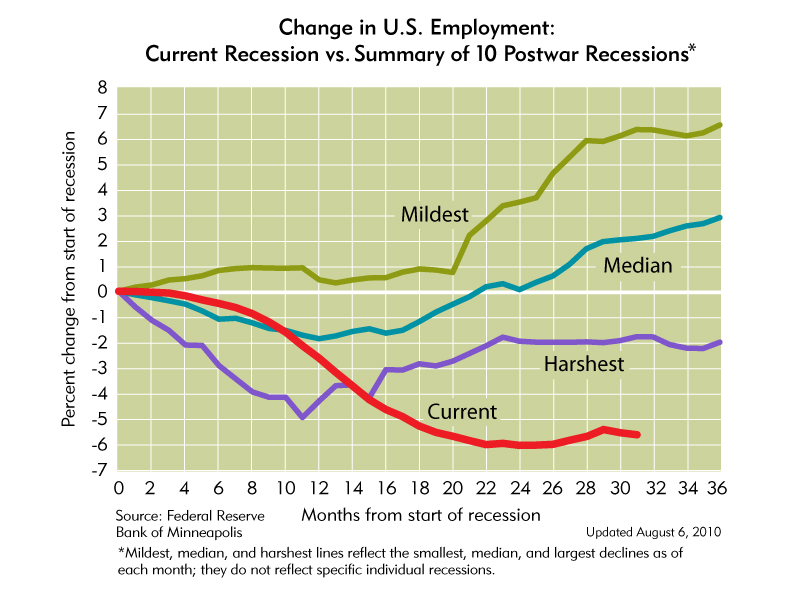
Pretty ugly looking trend

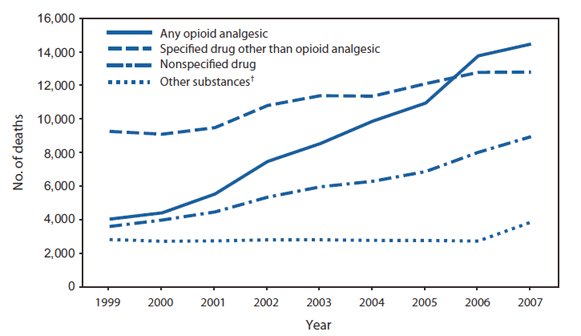
QuickStats: Number of Poisoning Deaths* Involving Opioid Analgesics and Other Drugs or Substances — United States, 1999–2007

From 1999 to 2007, the number of U.S. poisoning deaths involving any opioid analgesic (e.g., oxycodone, methadone, or hydrocodone) more than tripled, from 4,041 to 14,459, or 36% of the 40,059 total poisoning deaths in 2007. In 1999, opioid analgesics were involved in 20% of the 19,741 poisoning deaths. During 1999–2007, the number of poisoning deaths involving specified drugs other than opioid analgesics increased from 9,262 to 12,790, and the number involving nonspecified drugs increased from 3,608 to 8,947.

Suicides Up for Border Patrol

AP IMPACT: Border Patrol sees spike in suicides | NewsOK.com

The rate of suicides nationally is about 12 per 100,000 people, according to the Centers for Disease Control. Law enforcement rates are about 20 per 100,000, while the Border Patrol’s pace has the agency hovering in the upper 20s to low 30s per 100,000.

Chronic HBV and Lymphoma Risk

Medical News: Chronic HBV Raises Lymphoma Risk – in Infectious Disease, Hepatitis from MedPage Today

Among individuals who were positive for hepatitis B surface antigen (HBsAg), the adjusted hazard ratio for non-Hodgkin’s lymphoma was 1.74 (95% CI 1.45 to 2.09, P<0.0001), compared with those who tested negative, according to Eric A. Engels, MD, of the National Cancer Institute in Rockville, Md., and colleagues.

Calcium Supplements and MI Risk

Medical News: Risk of MI May Go Up With Calcium Supplements – in Cardiovascular, Myocardial Infarction from MedPage Today

Calcium supplementation appears to increase the risk of myocardial infarction, a meta-analysis showed.

Among studies of patients with or at risk for osteoporosis, those who took calcium supplements were about 30% more likely to have an MI than those who did not, Ian Reid, MD, of the University of Auckland in New Zealand, and colleagues reported online in BMJ.

Among randomized controlled trials with patient-level data, the hazard ratio for MI with supplementation was 1.31 (95% CI 1.02 to 1.67). Among those with trial-level data, the relative risk was 1.27 (95% CI 1.01 to 1.59).

Strong Social Relationships and Mortality

Medical News: Social Ties May Enhance Survival – in Psychiatry, General Psychiatry from MedPage Today

Maintaining strong social relationships may help slow the approach of death, a meta-analysis showed.

In a pooled analysis of 148 studies, having strong social relationships was associated with a 50% greater likelihood of surviving through follow-up (OR 1.50, 95% CI 1.42 to 1.59), according to Julianne Holt-Lunstad, PhD, of Brigham Young University in Provo, Utah, and colleagues.

The magnitude of the association puts social relationships on a par with quitting smoking and beyond obesity and physical inactivity in terms of relationship with mortality, the researchers reported in the July issue of PLoS Medicine.