Click on the link to read the article. Within the article you will find a link to download the full study report.

Click on the link to read the article. Within the article you will find a link to download the full study report.
Asian Indian ethnicity, but not other Asian ethnicities, was strongly associated with diabetes.
When you mention the word “outsourcing” most people get very emotional. The emotion is fear. Usually, it is a fear of losing one’s job. Well, during this nasty recession a lot of jobs have been lost. I have been asking the question,
“Who’s left to do the work?”
I’ve noticed I am not the only person asking this question. Nearly two thirds of respondents in a recent survey asked the very same question (see survey results reproduced below or click through to read the entire article).
If you’re in NB/UW management your cost cutting phase is over. Stick a fork in it, it’s done. Now you have to figure out how to get the work done with a decimated, demoralized staff. Screaming won’t help (unless that makes you feel better). Mandatory 60 hour work weeks? I don’t think so. Yup, looks like a man-made management problem that requires creative management solutions. Unabashed self-promotion follows:
The underwriting talent is out here and we have the technology to connect companies with with experienced, professional underwriters to get the work done.
Call us. I have a mortgage, two kids in college, and a small fleet of cars to support.
One more thing…we got the MOJO.
Workforce Blogs – The Business of Management
A new survey just released by the Workforce Institute at Kronos Inc. and conducted by Harris Interactive suggests that a lot of employees may not be feeling particularly optimistic and workplace productivity has been a casualty of the Big, Bad Recession.
Here are some of the survey highlights:
• Some 38 percent of respondents employed full or part time said there had been layoffs in the past year at their primary place of employment.
• Of those respondents who said that productivity had been negatively affected by layoffs:
—66 percent said that morale has suffered and that workers are less motivated;
—64 percent said that there is just too much work and not enough people left to do it;
—37 percent said the wrong people or departments were laid off, leaving inefficient systems and workflows; and
—36 percent said they are concerned that as the economy picks up, they won’t have the right resources to meet demand.
In mice.
BBC NEWS | Health | Low-carb diets ‘damage arteries’
The low-carb diet did not affect cholesterol levels, but there was a significant difference on the impact on atherosclerosis – the build-up of fatty plaque deposits in the arteries that can lead to heart attacks or strokes.
After 12 weeks, the mice eating the low-carb diet had gained less weight, but developed 15% more atherosclerosis than those on the standard mice food. For the western diet group there was 9% more atherosclerosis.
Child Health – ADHD Drug Abuse Prevalent Among American Teens | Health News
When researchers evaluated an eight-year period of data from the American Association of Poison Control Centers, they found that calls involving 13- to 19-year-olds related to teen abuse of stimulants, including ADHD drugs, rose from 330 in 1998 to 581 in 2005—a 76 percent increase. Overall, 42 percent of teens involved had moderate to severe side effects and most ended up receiving treatment in emergency rooms. Four of the cases evaluated resulted in death. Study author, Dr. Randall Bond, medical director of Cincinnati Children’s Hospital Medical Center’s Drug and Poison Information Center, says that because many cases don’t result in calls to poison control centers, the true number of teen abusers who have harmful side effects is likely much higher.
2 Cheyenne Middle School students in Edmond Memorial Hospital after eating weed | NewsOK.com
I was surprised to read this story but less surprised at what teens will put in their bodies.
I’m clear, you’re clear, everybody’s clear.
But for competitive reasons… Extra Super Best Premier Preferred!
Medical News: Sleep Apnea Carries Risk of Death – in Pulmonary, Sleep Disorders from MedPage Today
Participants with severe sleep apnea were 46% more likely to die (95% CI 1.14 to 1.86), according to the report published online in the open access journal PLoS Medicine.
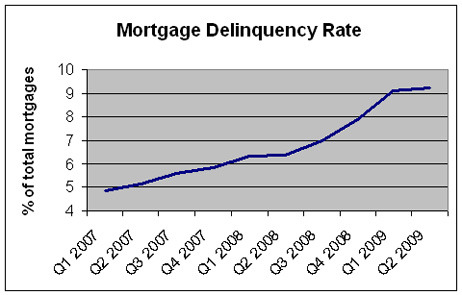
Source: Mortgage Bankers Association
Mortgage Delinquencies Rise To Highest Level On Record – Planet Money Blog : NPR

 lifeunderwriter.net
You must be logged in to post a comment.