BD overall is associated with excess mortality from both natural and unnatural causes. Meta-analytic evidence suggests that all-cause mortality is approximately doubled, with particularly high relative risks for suicide (12-fold) and other unnatural causes (7-fold) alongside a substantial increase in natural-cause deaths (2-fold).9 However, most mortality studies have not separated BD-II from BD-I, leaving BD-II’s specific mortality profile uncertain. Limited data indicate substantial premature mortality in BD-II, for example, an estimated 10- to 20-year reduction in life expectancy,1 with cardiovascular disease a major contributor to natural-cause deaths.10,11 This is likely predicated by shared risk factors and operative biological pathways as well as adverse effects of prescribed agents.12 Unnatural causes, especially suicide, also appear elevated. A large Swedish registry13 reported more frequent suicide attempts in BD-II than BD-I, yet meta-analytic work14 suggests that the risk of suicide death is broadly similar across the 2 subtypes. Many BD-II–focused studies have been underpowered or have not analyzed BD-II separately,11,15–17 rendering conclusions tentative. Whether BD-II differs from BD-I in all-cause or cause-specific mortality remains largely unresolved because direct comparisons are scarce.18
Conclusions and Relevance In this cohort study, BD-II was associated with a significant risk of premature mortality across multiple causes; even after accounting for shared familial factors and relative to BD-I, all-cause mortality remained elevated. These findings underscore the importance of comprehensive psychiatric care for individuals with BD-II.
All-Cause and Cause-Specific Mortality in Patients With Bipolar II Disorder – https://jamanetwork.com/journals/jamanetworkopen/fullarticle/2847398
Another Random Thought on Retirement – 08.29.26
Another quiet Saturday and thoughts turn to retirement (again). Today I thought about retirement income streams and how life would look once I stopped working. We need to find someplace affordable.
In California, Hawaii, and Massachusetts, retirees often need between $1.5 million and $2.2 million to maintain their lifestyles, according to a 2026 study by GoBankingRates. By contrast, Oklahoma is the most affordable state, with $735,284 the baseline for a comfortable retirement. Mississippi and Arkansas follow closely, with targets remaining under $810,000. What Is the Magic Number to Retire Comfortably? – https://www.kiplinger.com/retirement/magic-number-to-retire-comfortably
OK. Check that box off the list. My thoughts then turned towards what age would be a good age to retire. My former manager wanted me to stick around for five years. The last time I saw my current manager he told me a story of his grandfather working until he was 80. You hear stories of more people working into their later years and I wondered, at what age do people really retire?
What’s the real retirement age in America? Here are 4 guesses – https://www.usatoday.com/story/money/personal-finance/2026/08/29/retirement-age-in-america-social-security-medicare/91406670007/
Well, that wasn’t helpful at all. Then I entertained the thought of selling our house and downsizing.
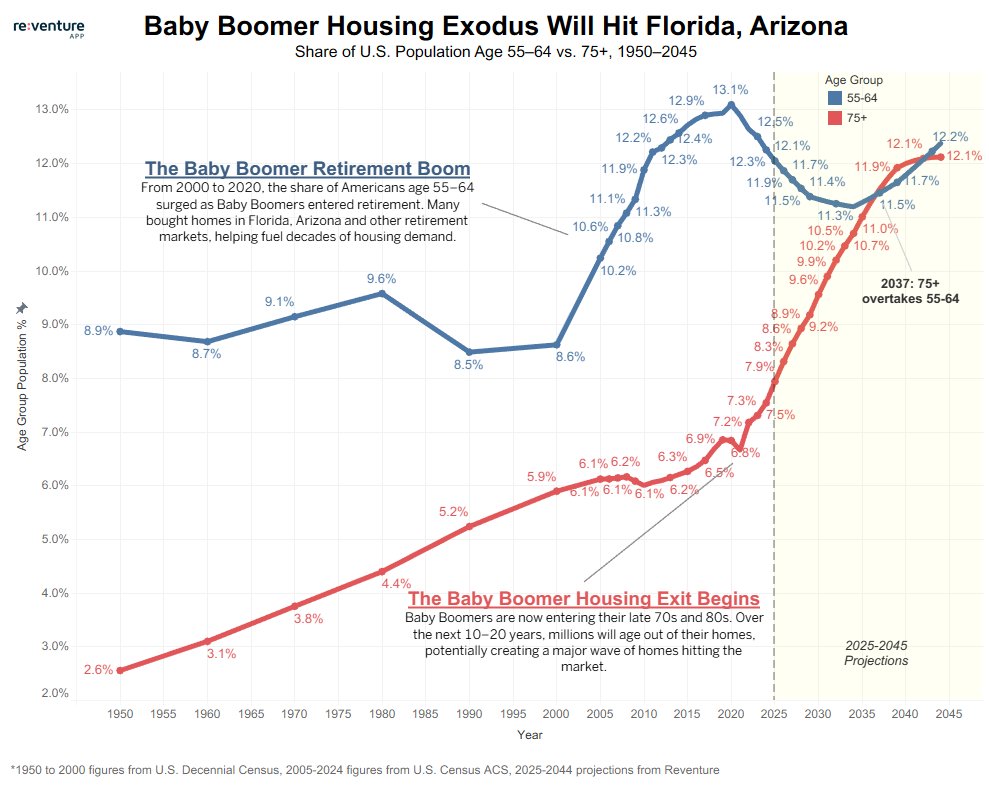
Source: https://www.reventureconsulting.com/
Hmmm…
Guess I’ll keep working. May not be going anywhere, anytime soon.
The Data Centers Next Door You Didn’t Know Were There
Until your city loses 3,000,000 gallons of water.
Massive El Reno water leak traced to Bitcoin mining data center facility – https://kfor.com/news/local/massive-el-reno-water-leak-traced-to-bitcoin-mining-data-center-facility/
The culprit – https://athlonbt.com/about-us/
The website went down while I was reading about the company.

Scheduled maintenance? I call bullshit.
Does Illicit Drug Use Increase Stroke Risk?
Their results, published in the International Journal of Stroke, showed substantial differences in stroke risk associated with several drugs. Cocaine and amphetamine use were each linked to roughly twice the risk of stroke (cocaine increased the risk by 96%, amphetamines by 122%), while cannabis use was associated with an increase of about 37%. Opioid use, by contrast, showed no statistically significant association with stroke risk.
The researchers also examined people under age 55 separately. Within this younger group, amphetamine use was associated with nearly three times the risk of stroke (an increase of 174%). Cannabis was linked to a smaller 14% increase in stroke risk, while cocaine use was associated with a 97% increase. University of Cambridge. “Cannabis use linked to 37% higher stroke risk in massive study.” ScienceDaily. http://www.sciencedaily.com/releases/2026/08/260822015215.htm (accessed August 23, 2026).
Journal Reference:
- Megan Ritson, Hugh S Markus, Eric L Harshfield. Does illicit drug use increase stroke risk? A systematic review, meta-analyses, and Mendelian randomization analysis. International Journal of Stroke, 2026; 21 (6): 788 DOI: 10.1177/17474930261418926
Yikes.
Why Americans Are Drinking Less Alcohol

Americans’ Drinking Remains at Record Low – https://news.gallup.com/poll/713534/americans-drinking-remains-record-low.aspx

Remember people, This Is Not Your Grandfather’s Weed
Statins and Seniors
For clinicians, these findings reinforce the importance of individualised decision making rather than a single preferred approach. For older adults who are tolerating statin therapy and wish to continue treatment, evidence from SAGA/SITE provides little reason to recommend routine discontinuation. Conversely, for patients who prioritise reducing medication burden, have limited life expectancy, have substantial polypharmacy, or whose goals of care have changed, discontinuation might be a reasonable option. Rather than supporting a default strategy, the trial broadens the evidence available for treatment decisions that reflect each patient’s individual clinical circumstances and preferences.2,3 Statin discontinuation in older adults: changing the conversation, not the default – https://www.thelancet.com/journals/lanhl/article/PIIS2666-7568(26)00072-3/fulltext
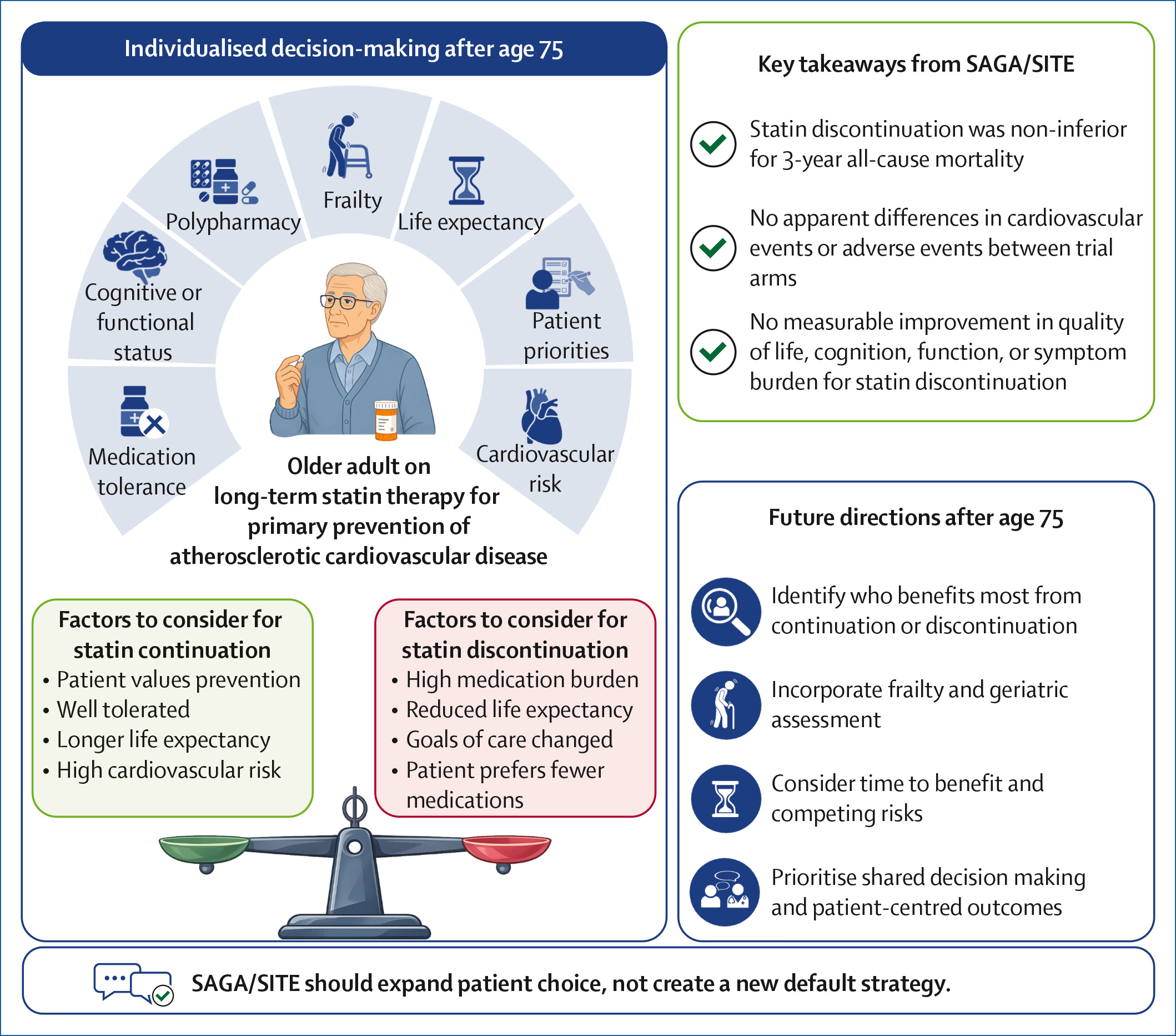
The Lancet Healthy Longevity August 11, 2026
WOO HOO (maybe).
Life is short and science takes too long.
Scary Charts – 08.16.26

Drawing on a nationally representative survey of 1,591 U.S. adults ages 22–75, this research uncovers a five-year difference between when current retirees, on average, actually left the workforce (age 57) and when future retirees expect to retire (age 62), with half of those planning to retire anticipating they’ll need to delay even further. Future retirees are shifting away from traditional income sources like Social Security and pensions, planning instead to rely more heavily on personal savings and continued employment. Career interruptions remain a significant but underappreciated threat to retirement security, as half of U.S. adults have left the workforce for more than a year.
The entire study Bridging retirement expectation gaps New evidence and insights can be downloaded here:
https://www.tiaa.org/public/institute/publication/2026/bridging-the-gaps-in-retirement-expectations
Remember my earlier post The Fear Shared By Most (Not Just Another Random Thought on Retirement) describes the greatest fear in retirement is outliving your savings. And Economist Teresa Ghilarducci is of the opinion working longer is not a plan but an illusion.
Yikes.
Bixonimania Outbreak!
A completely fabricated disease – Bixonimania and the epistemic fragility of artificial intelligence in medicine: lessons from a fabricated disease – https://www.thelancet.com/journals/landig/article/PIIS2589-7500(26)00071-3/fulltext?
Whereas Cyberchondria is real – https://en.wikipedia.org/wiki/Cyberchondria
Scary Charts – 08.08.26
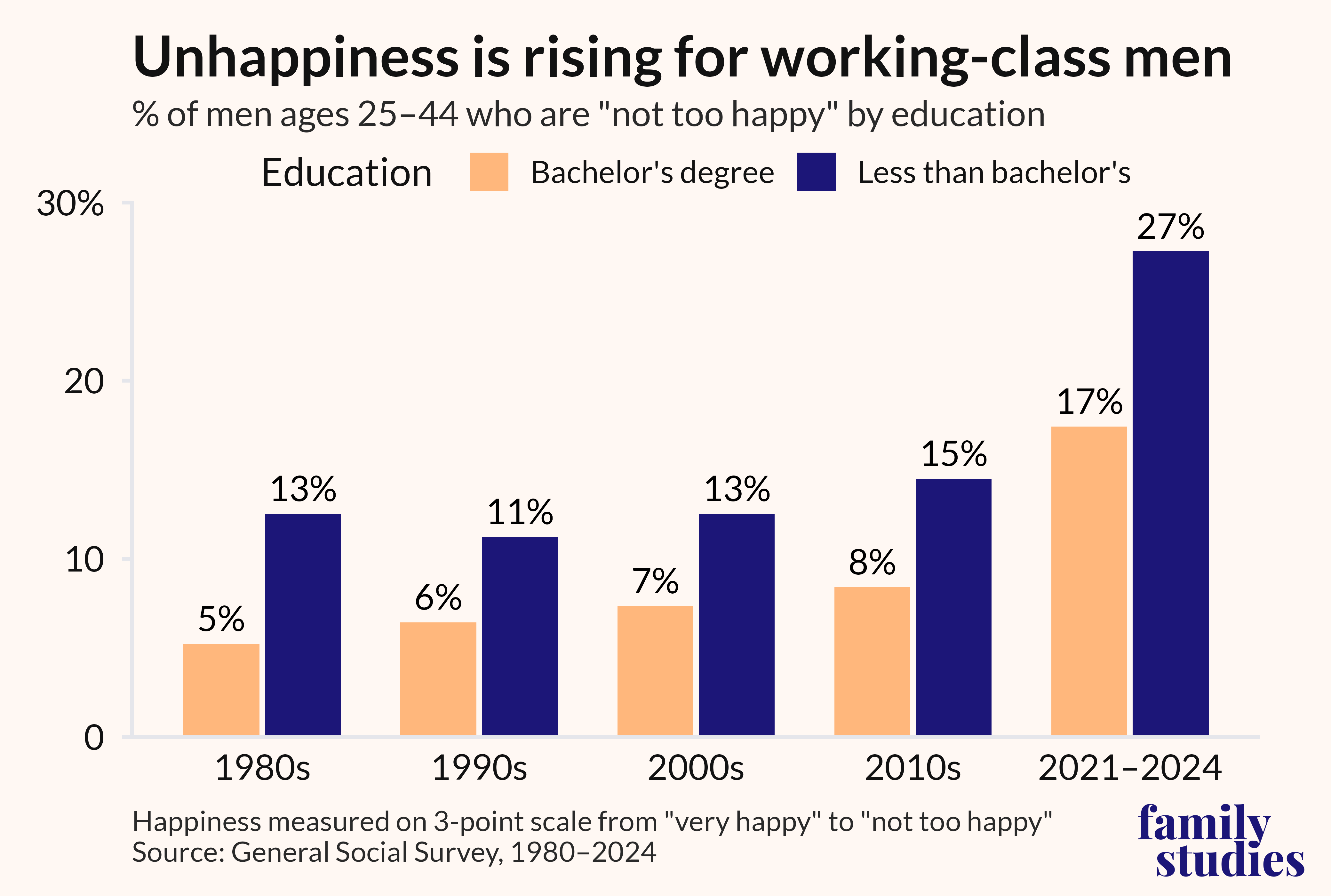
The class disparity in happiness is nothing new. The GSS data reveal that college-educated men were happier than their less-educated peers going back to the 1980s. And while the GSS shows somewhat steady levels of happiness from the 1980s through the 2000s, other well-being metrics suggest rising discontent in earlier decades. Mortality data, for instance, shows a steady and concerning rise in what researchers call “deaths of despair”—fatalities attributable to drug overdoses, suicide, and alcoholism. The rise in “deaths of despair” has been especially dramatic among white working-class men. Our analysis of death records and population estimates finds that the suicide rate per 100,000 white non-Hispanic men ages 25 to 44 has risen from 31 in 1992 to 54 in 2023, a shocking 71% increase over just three decades.
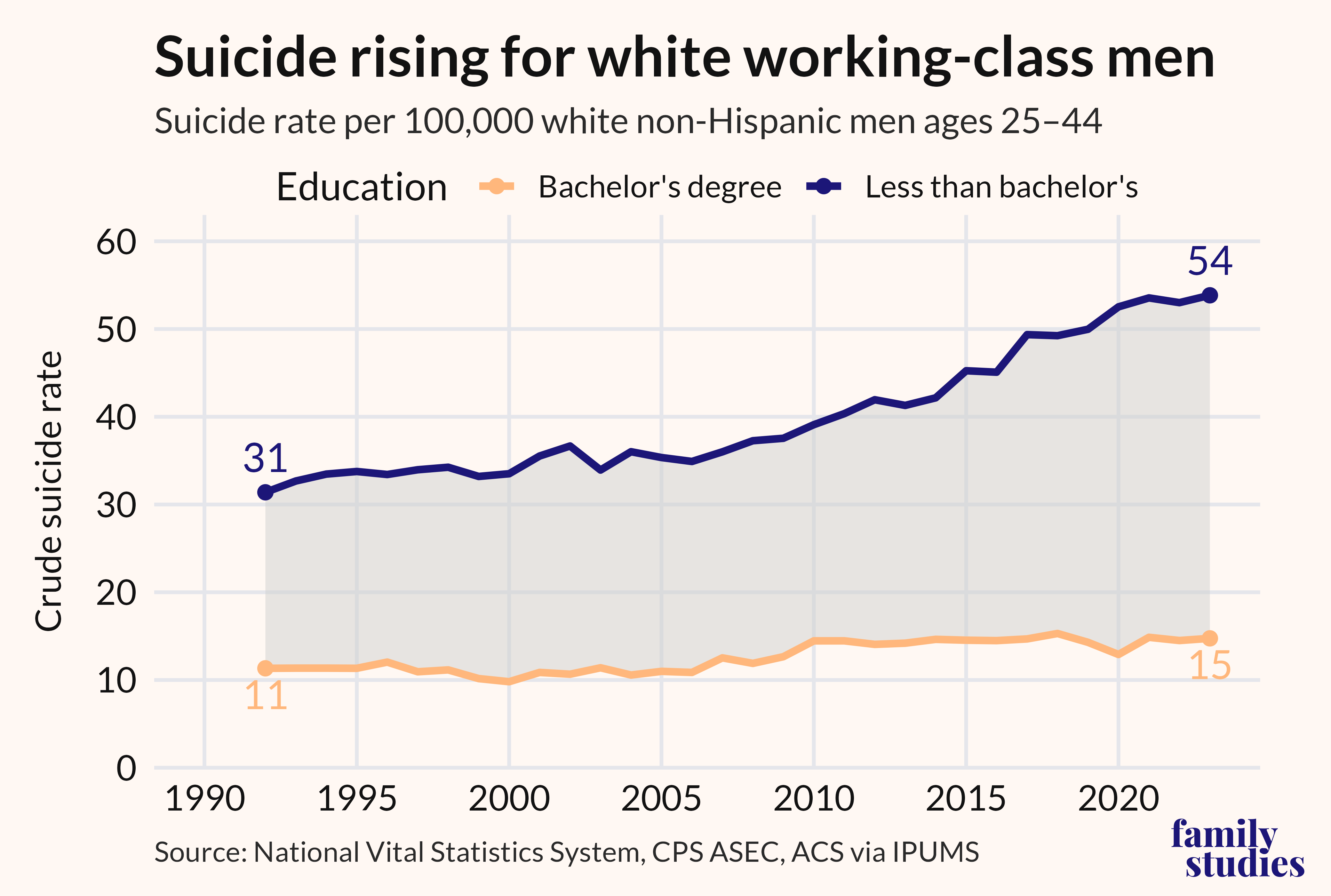
The entire study and more scary charts can be downloaded here:
The Roots of Working-Class Men’s Discontent
https://ifstudies.org/report-brief/the-roots-of-working-class-mens-discontent
Data Centers Can (are) Ruining People’s Lives
As construction began, Newsom says he spoke with Amazon and Clark Construction representatives, who knocked on his door and, as they put up the fencing around the construction site, told him that if he ever had issues to come to them as they’d “make it right.”
“Then I started having problems, lots of problems,” he says. Innumerable dump trucks came down the road and sent dust through the air day after day. Flashing blue lights from security cameras poured into his bedroom all night. The roads became covered in mud. And eventually, that mud made its way into Newsom’s well, he claims.
“A lot of people in this county have what’s called a bored well, which is a shallow surface water well. So when they’re moving this amount of dirt and earth, digging and vibrations—all those microvibrations over time will work that sediment into the water stream, into that well, and flow straight into my water,” he explains.
He adds that a hydrologist he brought in agreed that the work was disturbing the water table. But when he tried to get in touch with the Amazon superintendent who promised to help address issues, he was met with silence.
A Virginia Homeowner Is Suing Amazon Over a Data Center Being Built by His Home—That He Says Is Already Making Life Unbearable https://www.realtor.com/news/trends/virginia-homeowner-suing-amazon-over-data-center-unbearable/

YIKES. And now a word or two from the great 20th century philosopher Willie:
Amen.
 lifeunderwriter.net
You must be logged in to post a comment.