Mealtime can provide opportunities to connect with someone experiencing memory loss and tap into deeply rooted memories. “If you’re going to make your father’s favorite meal, think about how you can delve into it as an experience,” Aguirre says. Dr. Kramer notes that several senses associated with cooking and eating dishes, including smell and taste, are closely related to memory. Both the olfactory bulb, the main receiving center for smell, and the insular cortex and frontal operculum (also called the gustatory cortex), responsible for perception of taste, are closely connected to the amygdala, an area involved in emotional learning. The olfactory nerve, which conveys the sense of smell to the brain, is also close to the hippocampus, one of the most important brain structures for memory. And the combined effect of smell and taste—what neuroscientists who study this field call “flavor”—can be especially powerful at conjuring long-held memories charged with emotion, says Joel Salinas, MD, MBA, FAAN, assistant professor of neurology at NYU Langone Health and chief medical officer at Isaac Health, a clinic in New York City for brain health and memory problems.Favorite Meals May Trigger Memories in People with Dementia – https://www.brainandlife.org/articles/food-may-trigger-memories-in-people-with-dementia
Author: SupremeCmdr
An Extended Period of Wandering
Now, I’m ‘no one,’ a retired, forgotten old man who dithers away the days.
”Depression can ensue, fueling excessive alcohol use, accidents, or, in the most extreme cases, suicide. Of all age groups in the United States, men over age 75 have the highest suicide rate, by far. Older Men’s Connections Often Wither When They’re on Their Own – https://kffhealthnews.org/news/article/older-men-connections-isolation-loneliness-navigating-aging/

At the minimum I have a plan. Sell the house, buy a van and do an upscale conversion so I can sleep in it. Travel. Spend time in Oklahoma and Colorado.
Drink more Knob Creek (not when driving).
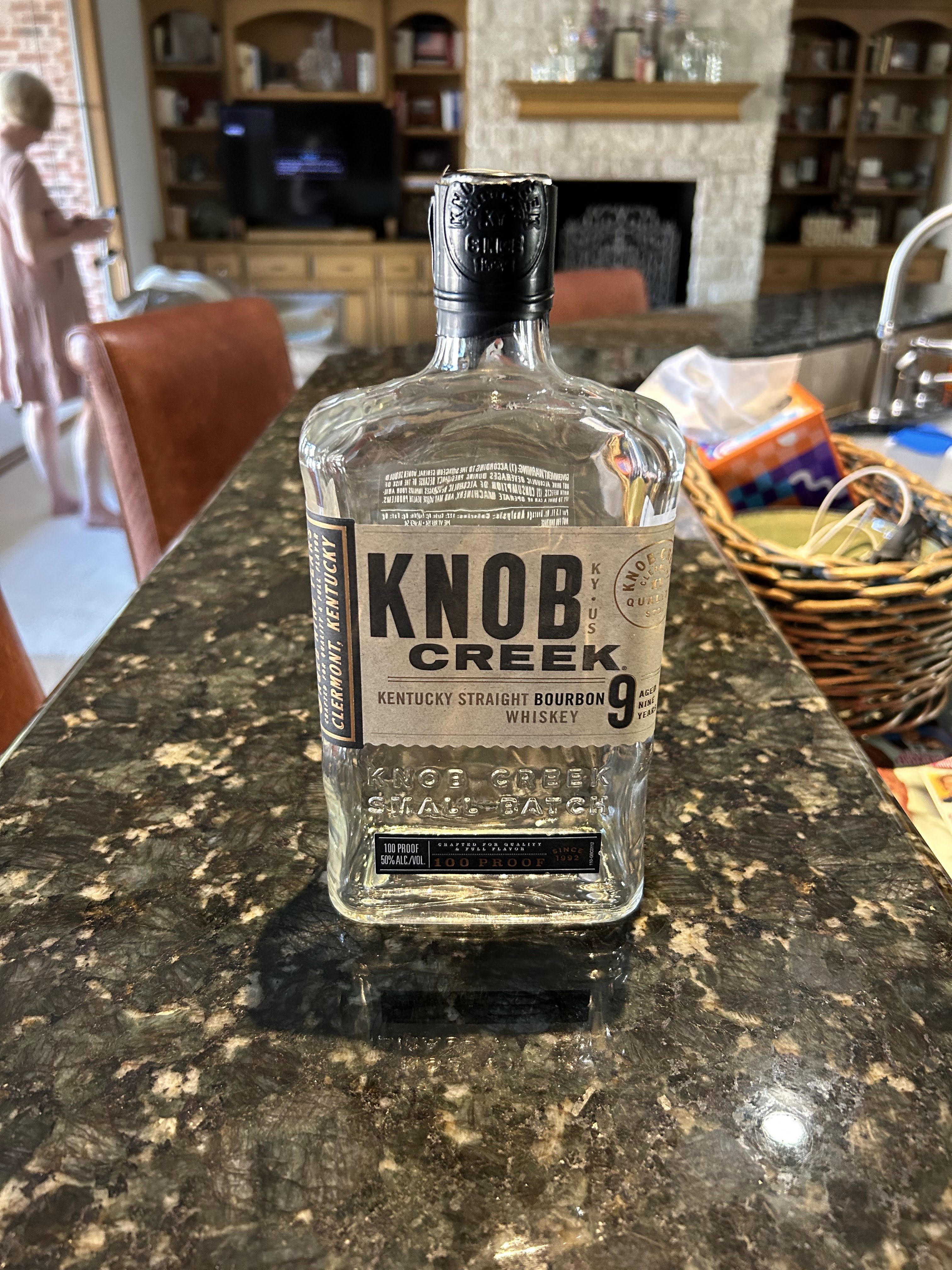
OOPS. Didn’t wait until the unthinkable.
Got Back Pain? Take a Walk
With all due respect to copyright law here’s the link to the Nat Geo article How walking can prevent lower back pain – https://www.nationalgeographic.com/science/article/walking-lower-back-pain-prevention-treatment
And here’s the link to The Lancet study Effectiveness and cost-effectiveness of an individualised, progressive walking and education intervention for the prevention of low back pain recurrence in Australia (WalkBack): a randomised controlled trial – https://www.thelancet.com/journals/lancet/article/PIIS0140-6736(24)00755-4/fulltext
I’ve been on and off a heating pad for a week. I finally felt good enough to back to the Y and do some resistance training which included back stretches on one of those medieval looking torture devices. I went for a short walk today and my back feels better.
Keep moving.
Yogurt and CSBMs (Complete Spontaneous Bowel Movements)
In a randomized controlled trial, the probiotic Bifidobacterium animalis subsp. lactis—used in many probiotic products, including Dannon’s Activia yogurts—did nothing to improve bowel health in people with constipation, according to data from a randomized triple-blind placebo-controlled clinical trial published Wednesday in JAMA Network Open. Popular gut probiotic completely craps out in randomized controlled trial – https://arstechnica.com/health/2024/10/popular-gut-probiotic-completely-craps-out-in-randomized-controlled-trial/
Here’s a lesson in the need to read the original study. I found this statement from the researchers:
The 2 study groups were very similar with respect to baseline characteristics. The participants had a low dietary fiber intake (9 g/d), which is in line with observations by others (11.7 g/d) and well below recommended levels (25.0 g/d).14 This may be a contributing factor to the bowel movement problems experienced by the participants. Eight-Week Supplementation With Bifidobacterium lactis HN019 and Functional Constipation – https://jamanetwork.com/journals/jamanetworkopen/fullarticle/2824333
IMO the low dietary fiber intake in this shitting study leads me to think the entire study results were…crappy.
BTW yesterday I had two CSBMs. That’s what I get for eating a bowl of black eye peas http://garyskitchen.net/2022/01/16/vegetarian-badass-black-eyed-peas-2022/ and a baked sweet potato in the same day.
Researchers Have Mapped all 139,255 Neurons in the Brain of an adult fruit fly
An adult fruit fly’s brain is much more complex, however—and most importantly, the small insects share 60 percent of human DNA, as well 75 percent of the genes that cause genetic diseases, per a statement. As such, understanding the fly’s brain in such detail could hold implications for connections in human brains—and the neural pathways that lead to certain behaviors. Fruit flies, like humans, can get drunk, sing and be kept awake with coffee, suggesting similarities in our brains. https://www.smithsonianmag.com/smart-news/scientists-unveil-the-first-ever-complete-map-of-an-adult-fruit-flys-brain-captured-in-stunning-detail-180985191/
An actuary, an underwriter and a fruit fly walk into a bar…
The Placebo Effect
Why Underwriters Pay Attention to Family History

My uncle Moy F Wong passed away on Sept. 22,2024 at 91 years of age. He was the youngest of eight children on my mother’s side of the family. A bunch of my relatives have lived into their nineties, some to 100 or more.
Now you know why I keep working. I might stick around for another 30 years.
Or more. I need to beef up my retirement pot.
Take Another Break – The Road to 70
Take a Break 09.28.24
When it seems like the night will last forever
And there’s nothing left to do but count the years
When the strings of my heart start to sever
And stones fall from my eyes instead of tears
I will walk alone by the black muddy river
And dream me a dream of my own
I will walk alone by the black muddy river
And sing me a song of my ownRobert Hunter
Scary Charts 09.23.24 (another generational gap)
54 percent of Gen Z participants polled for Statista’s Consumer Insights survey in the U.S. between July 2023 and June 2024 claim that owning a car is important to them, compared to 69 percent of baby boomers. This suggests that the perceived necessity of car ownership is not only influenced by the availability and quality of public transit but also by generation. Owning a Car Is Less Important To Younger Generations https://www.statista.com/chart/33097/importance-of-owning-a-car-for-us-residents-by-generation/

Let me think about this. Digital from birth, Covid-19 pandemic global shutdown, social media, shared ride businesses, grocery shopping done and delivered, prepared meal delivery, inflation, cost of cars both new and used, shit jobs that don’t pay much, cost of car insurance and maintenance, cost of gasoline, going Green, fear of accidents, fear of violence, self-fulfilling prophecy, coddled since birth, never learned to drive, never wanted to drive…
Did I miss anything?


You must be logged in to post a comment.