Developed by engineers at MIT, the new technology is about the size of a postage stamp
This Wearable Ultrasound Sticker Can Continuously Image Organs for 48 Hours — Latest articles | smithsonianmag.com
Author: SupremeCmdr
A Plan is Not a Strategy – Update 08.03.22
A few months ago I was thinking about retirement. The funny thing about life at “retirement age” and still working is you think about retirement a lot. See Thinking About Retirement (or just another fine Saturday Morning) While catching up on news I came across several articles on unretirement. I learned the word unretire is actually in the dictionary. See https://www.merriam-webster.com/dictionary/unretire. Rather than retire then unretire I decided I needed a plan. The more I thought about coming up with a plan the more I realized I needed a strategy instead.

So now I’m working on strategy only to realize I’ve had a strategy for many years. I’ve just never taken the time to write it down. It might be time to document my strategy. But it’s been too hot to write and Too Hot to Blog.
Take Home Message: A Plan is Not a Strategy.
Update 08.03.22
For an excellent example of strategy read this piece https://www.noceilingsnba.com/p/the-art-of-presti on how Sam Presti the General Manager of the OKC Thunder epitomizes this definition of strategy.
Still Too Hot to Blog

Still Too Hot to Blog
Too Hot to Blog
SIDD, SIRD, MOD, AND MARD – DM2 Subgroups
Type 2 diabetes (T2D) was recently reclassified into severe insulin-deficient diabetes (SIDD), severe insulin-resistant diabetes (SIRD), mild obesity-related diabetes (MOD), and mild age-related diabetes (MARD), which have different risk of complications. We explored whether DNA methylation differs between these subgroups and whether subgroup-unique methylation risk scores (MRSs) predict diabetic complications.
Novel Subgroups of Type 2 Diabetes Display Different Epigenetic Patterns That Associate With Future Diabetic Complications — https://doi.org/10.2337/dc21-2489
More acronyms!
Don’t Let Your Cat Sneeze on You
Researchers say the results are convincing. They are surprised that it has taken this long to establish that transmission can occur, given the scale of the pandemic, the virus’s ability to jump between animal species, and the close contact between cats and people. “We’ve known this was a possibility for two years,” says Angela Bosco-Lauth, an infectious-disease researcher at Colorado State University in Fort Collins.
First reported case of a person getting COVID from a cat — https://www.nature.com/articles/d41586-022-01792-y

Deer too. https://www.nature.com/articles/d41586-022-01112-4

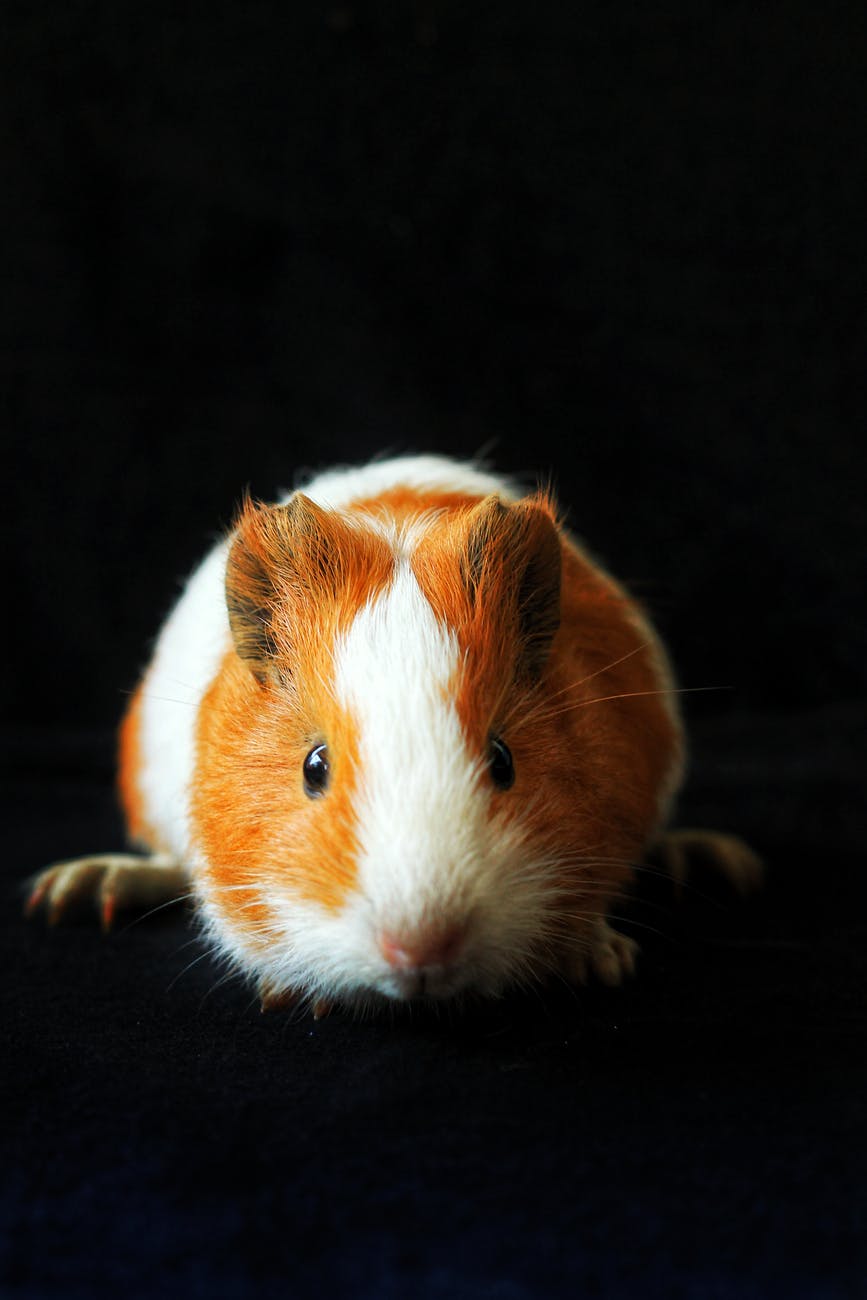
Don’t forget about hamsters. https://www.nature.com/articles/d41586-022-00322-0
Or mink mutations…
Fonager says researchers in Denmark have sequenced viral samples from 40 mink farms and identified some 170 coronavirus variants. He adds that in viral samples from people — representing about one-fifth of the country’s total COVID confirmed cases — they’ve found some 300 people with variants that contain mutations thought to have first emerged in mink. “That is something we really want to keep a close eye on.”
COVID mink analysis shows mutations are not dangerous — yet — https://www.nature.com/articles/d41586-020-03218-z
Protein Blobs!
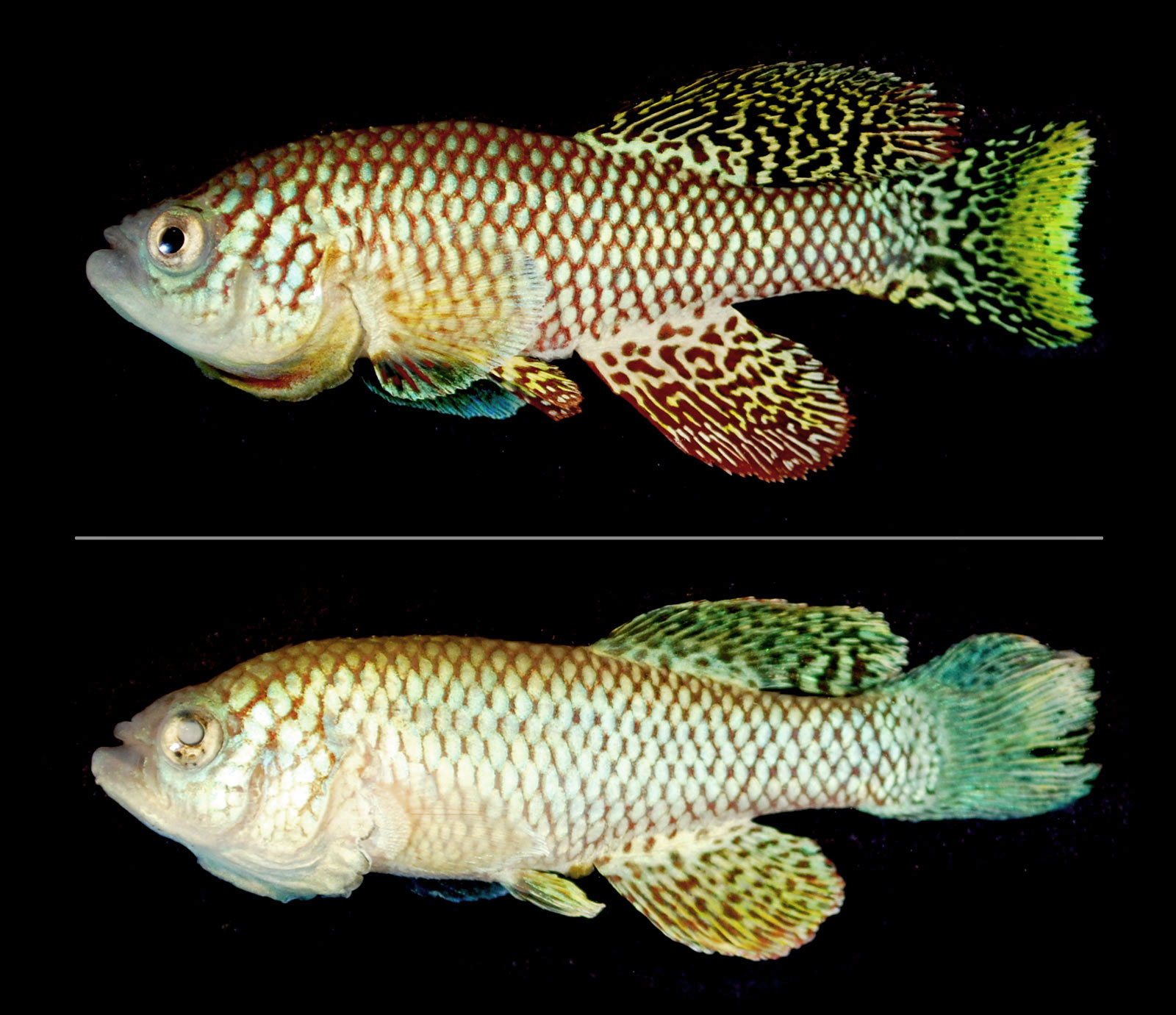
The African turquoise killifish lives in transitory ponds in East Africa that form during the rainy season. As the fish nears the end of its 4- to 6-month life, it develops a range of age-related diseases, including cataracts and brain-related changes that resemble neurodegenerative disorders like Alzheimer’s in humans. Its brief life span — much shorter than that of a lab mouse, for example — and rapid natural aging make it an ideal model for studying aging in vertebrates. The Stanford team conducted an extensive analysis of the proteins in killifish at various stages of youth and maturity. In the aging killifish, they discovered protein aggregates in all the tissues that they looked at: not only the brain but also the heart, gut, liver, muscle, skin and testis. More than half of the aggregating proteins seemed to show an intrinsic tendency to aggregate in further experiments.
Protein Blobs Linked to Alzheimer’s Affect Aging in All Cells — https://www.quantamagazine.org/protein-blobs-linked-to-alzheimers-affect-aging-in-all-cells-20220628
Fascinating article. And regarding the video clip, sorry I couldn’t resist.
The Labor Force Refuses to Grow – Age Discrimination?
Ageism?
Ageism is a real problem. And it could also be responsible for the low labor force getting stuck at this level. Boomers are now between around 56 and 76. This is a huge generation. And in tech, when the hiring manager is 32, and you’re 56, it’s tough getting that job. And when you’re 62, it’s even tougher just to get anyone’s attention. Some succeed. But many don’t.
Many of these people, often with a superb job history, may never get a job in their field again. Many of them made enough money to where they don’t have to work. They’d like to work, but it’s tough getting ignored or rejected time after time because of age.
And they give up “actively” looking for a job, and thereby they’re removed from the labor force. They were dropped from the labor force due to ageism, not because they wanted to retire. And they might tell everyone, after they give up looking, that they’re “retired,” when in fact, they’d love to work in their field but are locked out.
I Want to Add a Word about Ageism in this Bizarre Labor Market and How it Hits Labor Force & Unemployment Numbers — https://wolfstreet.com/2022/07/08/i-want-to-add-a-word-about-ageism-in-this-bizarre-labor-market-and-how-it-hits-labor-force-unemployment-numbers/
The entire post from Mr. Wolf is worth reading. Obviously there is no data to support ageism as one of the causes for the lack of labor force growth. But it certainly is an interesting hunch.
At last count there were 240 comments on this article.
Okay, Houston, we’ve had a problem here. https://www.nasa.gov/feature/50-years-ago-houston-we-ve-had-a-problem
Covid-19 and a Plant Based Diet
Okinawa, one of the blue zone regions, is highlighted due to its extreme longevity, plant-based diet, and now, the population’s resistance to COVID-19.
People in Okinawa, for example, consume a predominantly plant-based diet rich in phytochemicals and antioxidants… They also consume abundant green leafy vegetables and soy products, with minimal fat (about 6% of the total energy intake). In addition to their high life expectancy and low mortality from cardiovascular disease and certain types of cancers, Okinawans have enjoyed a remarkable resistance to COVID-19 mortality. As of June 16, 2021, the COVID-19 mortality in Okinawa, Japan, was 0.08% (163 deaths out of 19,782 cases), which is one-sixteenth that of Tokyo (mortality rate 1.3%; 2183 deaths out of 167,416 cases).
Can a Plant-Based Diet Mitigate the Risk of Severe COVID-19? — https://www.bluezones.com/2022/02/can-a-plant-based-diet-mitigate-the-risk-of-severe-covid-19/#
Journal Reference: Kahleova, H., Barnard, N.D. Can a plant-based diet help mitigate Covid-19?. Eur J Clin Nutr 76, 911–912 (2022). https://doi.org/10.1038/s41430-022-01082-w
Third Leading Cause of Death in the US 2020 and 2021
COVID-19 was the third leading cause of death in the United States between March 2020 and October 2021, according to an analysis of national death certificate data by researchers at the National Cancer Institute, part of the National Institutes of Health. The study appears July 5 in JAMA Internal Medicine.
COVID-19 was third leading cause of death in the United States in both 2020 and 2021 — https://www.nih.gov/news-events/news-releases/covid-19-was-third-leading-cause-death-united-states-both-2020-2021 — “Leading Causes of Death in the United States during the COVID-19 Pandemic, March 2020 to October 2021” appears July 5 in JAMA Internal Medicine.
Two Omicron subvariants — BA.4 and BA.5 — are propelling the growth of COVID-19 infections this summer as they become the dominant coronavirus strains in the U.S.
These variants now make up 52.3% of infections, with BA.5 accounting for 36.6% of new cases and BA.4 accounting for 15.7% of new cases, according to the latest CDC data. The week before, the subvariants made up about 37.4% of cases…Although hospitalizations and deaths remain low compared to earlier Omicron waves, public health officials have warned about certain severe symptoms seen with the BA.4 and BA.5 subvariants, as well as the risk for ongoing health problems, particularly as people get reinfected again and again.
Two Omicron Subvariants Drive Summer Infections — https://www.medscape.com/viewarticle/976560?src=rss
These novel subvariants carrying additional mutations in their spike proteins raise concerns that they may further evade neutralizing antibodies, thereby further compromising the efficacy of COVID-19 vaccines and therapeutic monoclonals.
Antibody evasion by SARS-CoV-2 Omicron subvariants BA.2.12.1, BA.4, & BA.5 — https://www.nature.com/articles/s41586-022-05053-w
The Omicron sub-variant BA.5 is the worst version of the virus that we’ve seen. It takes immune escape, already extensive, to the next level, and, as a function of that, enhanced transmissibility, well beyond Omicron (BA.1) and other Omicron family variants that we’ve seen (including BA.1.1, BA.2, BA.2.12.1, and BA.4). You could say it’s not so bad because there hasn’t been a marked rise in hospitalizations and deaths as we saw with Omicron, but that’s only because we had such a striking adverse impact from Omicron, for which there is at least some cross-immunity (BA.1 to BA.5). Here I will review (1) what we know about its biology; (2) its current status around the world; and (3) the ways we can defend against it.
The BA.5 story — https://erictopol.substack.com/p/the-ba5-story
Be careful.
 lifeunderwriter.net
You must be logged in to post a comment.