EconomPic: An Employment Report We’ve Been Waiting For
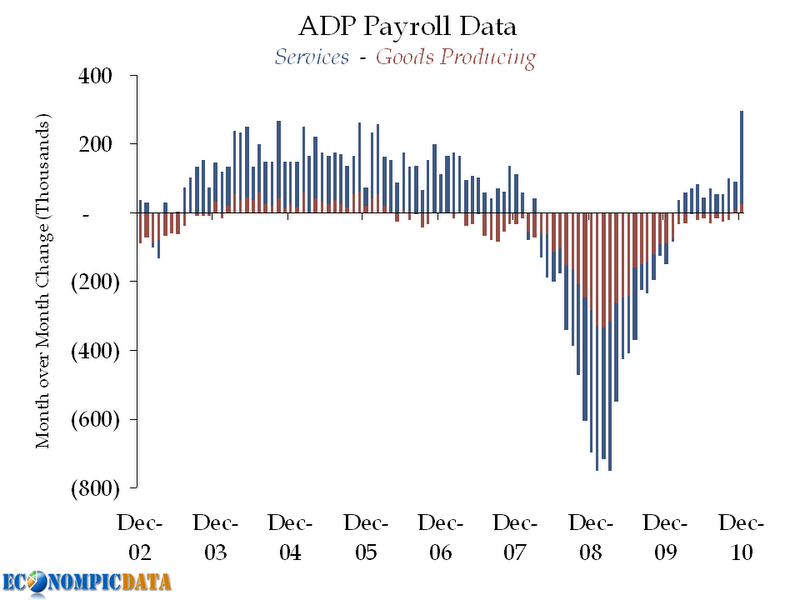
I hope some underwriters are in those December statistics

EconomPic: An Employment Report We’ve Been Waiting For
I hope some underwriters are in those December statistics
Amid persisting economic duress, worries rise about suicides – CSMonitor.com
Psychologists have long linked suicides to economic stresses such as unemployment or credit problems. The recent economic turmoil, in which many people have seen sliding home values, job loss, and evaporating savings, exacerbates the risk, says Nancy Zarse, an associate professor of clinical forensic psychology at The Chicago School of Professional Psychology.
Suicide is historically linked to economic downturns. The rate peaked in 1933, the height of the Great Depression, at 17.4 per 100,000 people, according to the American Association of Suicidology, which studies suicidal behavior and advocates prevention. That peak came one year after the US unemployment rate reached 25 percent, a stark contrast to the jobless rate of 0.04 percent just a few years earlier.
The suicide rate has never revisited that 1933 level, but it has increased this decade – from 10.7 per 100,000 people in 2000 to 11.5 in 2007, the last year tabulated by the Centers for Disease Control and Prevention. (Those latest figures predate the worst of the Great Recession.)
Surprise! IRS Audits Up 11% This Year
Read this wonderful post on how the Federal Budget deficit is getting reduced, one audit at a time.
According to the IRS, the agency audited 1,581,394 individual returns last year, up from 1,425,888 in 2009. Did the increased audits produce increased revenues? You bet. The IRS collected $57.6 billion in enforcement revenues in 2010, up from $48.90 billion in 2009. Enforcement revenues have grown dramatically from the $33.8 billion that was collected in 2001.
The Yawning of a New Era | workforce.com
America’s workforce is weary. Employees of all ages report feeling fatigued, stressed, burned out or depressed, brought down by a heavier workload, layoffs and an assortment of other adverse conditions workers feel they have little or no power to control.
The hamsters are starting to fall off their wheels.
All kidding aside, this is a serious management issue. So what’s a little fatigue. A plane crash here, a truck crash there right?
All we do is put risk on the books.
So what’s a little higher error ratio?
Too many scary charts to reproduce. Plus, in all fairness, you really should read Mish’s latest economic analysis from the source.

This is scary if you think about it enough.
I debated whether or not this chart deserved to be a scary chart. Obviously I decided it was scary enough. Despite the lower cost of some stuff, deflation overall is not a good thing.
Economist’s View: FRBSF: Disinflation – It’s Not Just Housing
Calculated Risk: Housing Bust impacting Manager Mobility
One of the strengths of the U.S. labor market has been the flexibility associated with labor mobility at all levels of employment – households could easily move from one region to another for better employment. The sharp decline in house prices, leaving homeowners with significant negative equity, appears to be limiting this flexibility.
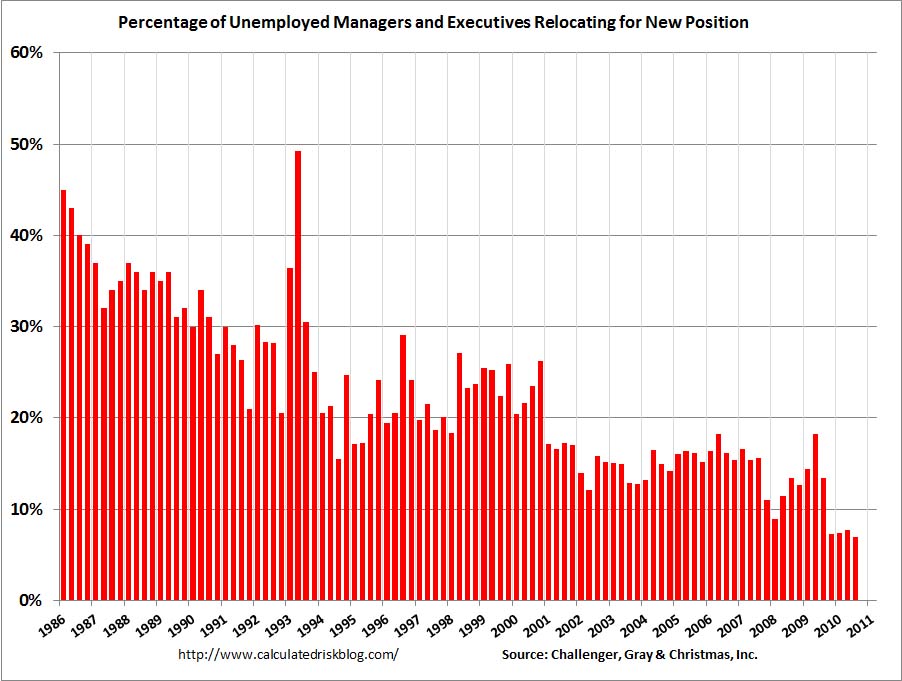
Bad times for moving companies
It’s Saturday morning and I’m not sufficiently caffeinated, sitting in my office catching up on the news when I come across this chart. So I get up and get another cup of Joe, sip and think a little more about just what this chart is telling me.
A lot.
Official Google Reader Blog: A welcome and a look back
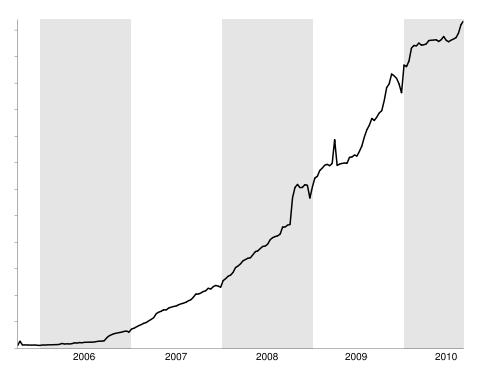
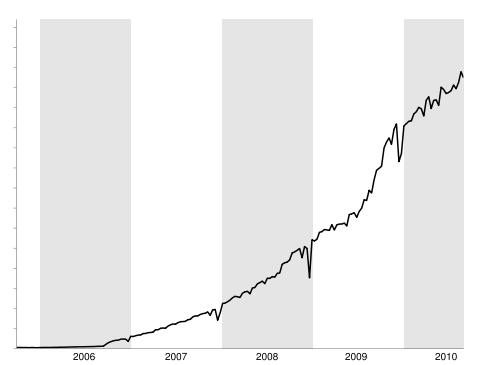
These charts should be extremely scary especially to folks in the newspaper and media businesses. If you wanted some hard evidence on consumer preferences for news outlets shifting to the Internet, here you go. The top chart is the number of people who use Google Reader at least once a week. The bottom chart is the number of items read on Google Reader.
Personally, we still buy a daily newspaper.
Guest Post: What’s Going On In The Gulf? « naked capitalism
Oil? What oil?
There are two links near the bottom of this article concerning possible human health consequences from the spill. We now know about the respiratory and possible cancer issues of 9/11 survivors and workers having inhaled lots of stuff. Pay attention to your Gulf Shore applicants for unusual rashes or symptoms.
Lost Decade for American Income – WSJ.com
For your Scary Charts check out the article link below.
Or see what Yves Smith is writing about real estate.


You must be logged in to post a comment.