Sedentary Behavior and Incident Dementia Among Older Adults

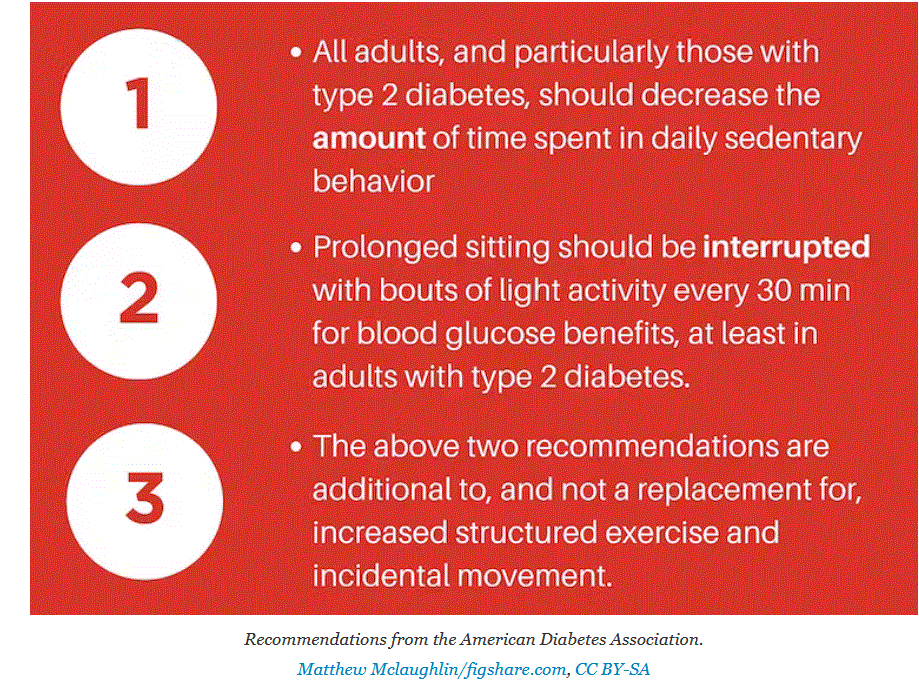
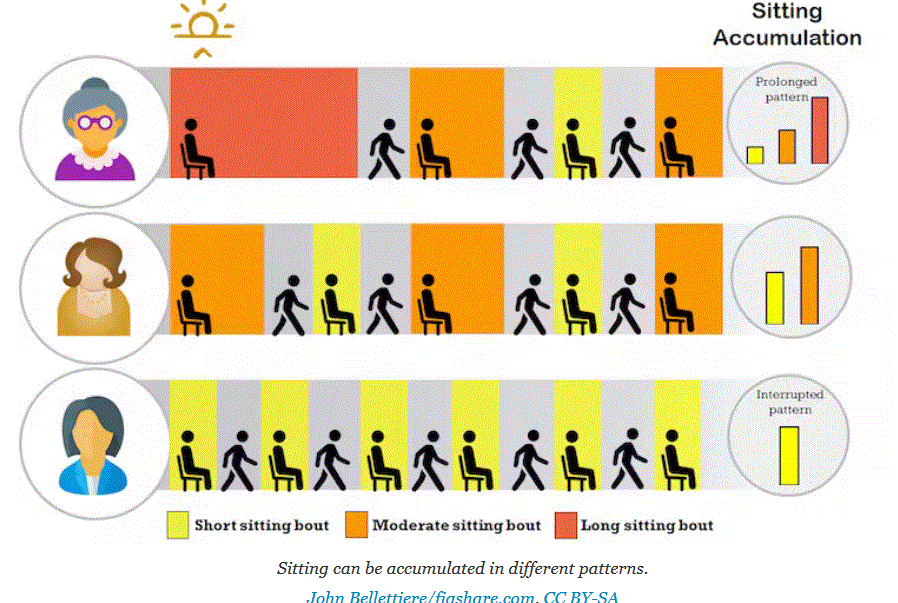
Conclusions and Relevance  Among older adults, more time spent in sedentary behaviors was significantly associated with higher incidence of all-cause dementia. Future research is needed to determine whether the association between sedentary behavior and risk of dementia is causal.

Sedentary Behavior and Incident Dementia Among Older Adults — https://jamanetwork.com/journals/jama/article-abstract/2809418

I’m screwed.

Nature Wants Us to be Fat

Evidence that Obesity and Diabetes are Driven by a Diet-Induced Biological Switch: How it Works and How it Might be Prevented — https://www.vumedi.com/video/evidence-that-obesity-and-diabetes-are-driven-by-a-diet-induced-biological-switch-how-it-works-and-h/

Blog post title is the same as the title of Dr. Richard J. Johnson’s book. The link takes you to a video that is approximately 37 minutes long. Enjoy!

Scary Charts – 07.16.23

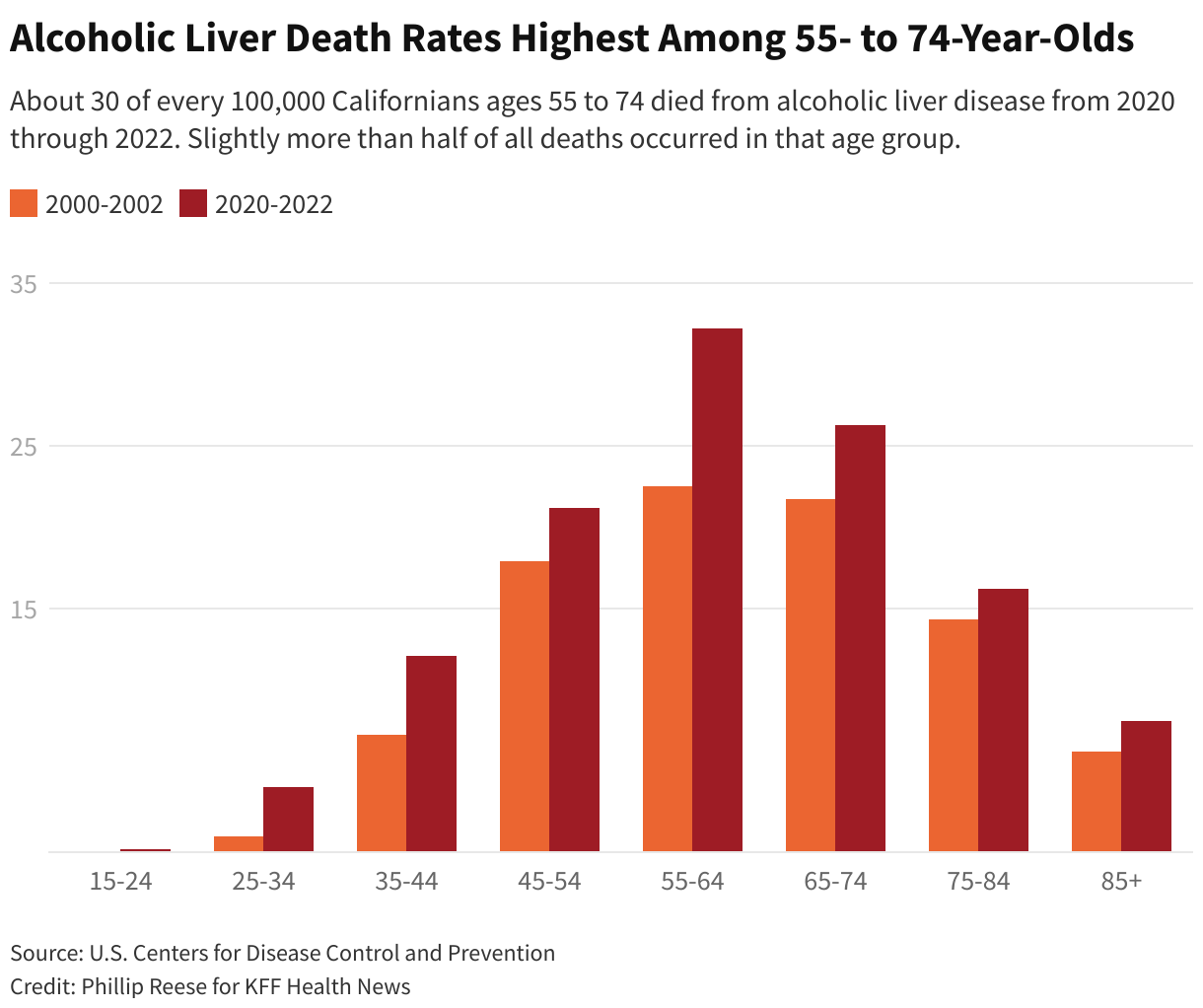
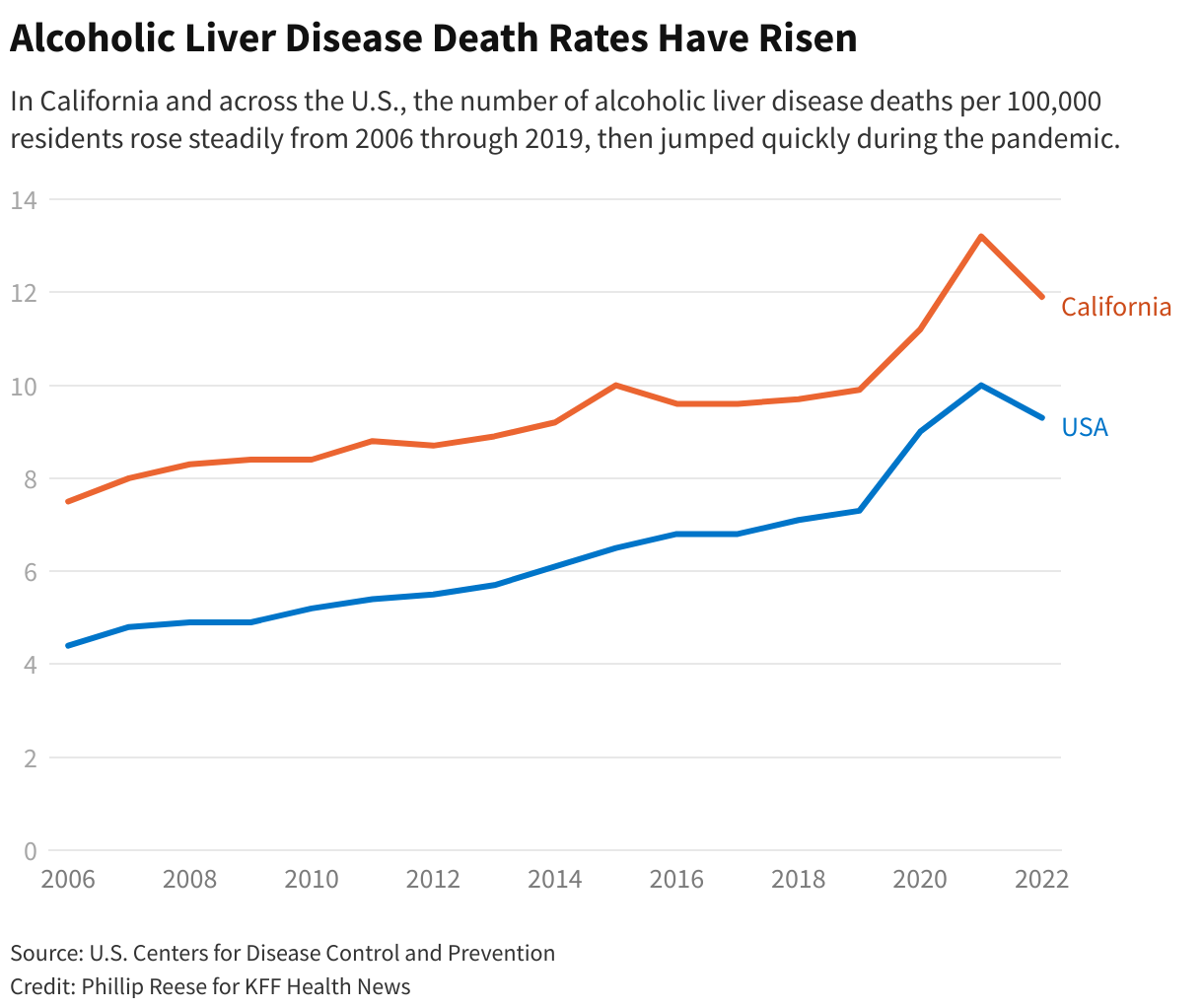
Note the Pandemic Bump. Overall trend lines for both CA and USA still heading north.

CA only. USA death rates probably show a similar pattern.

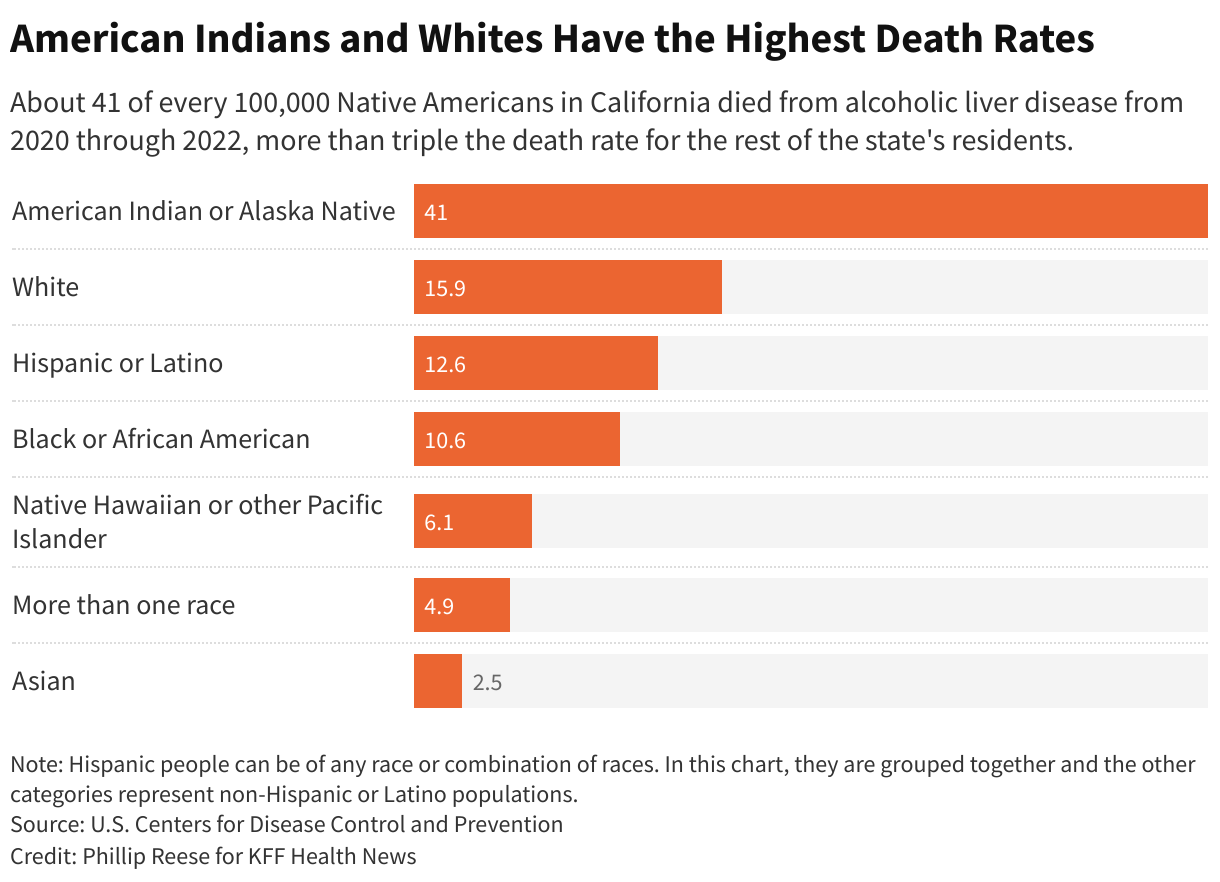
CA statistics. NOTE the ASIAN RATE.

Excessive drinking during the covid-19 pandemic increased alcoholic liver disease deaths so much that the condition killed more Californians than car accidents or breast cancer, a KFF Health News analysis has found. Lockdowns made people feel isolated, depressed, and anxious, leading some to increase their alcohol intake. Alcohol sales rose during the pandemic, with especially large jumps in the consumption of spirits.

Excessive Drinking During the Pandemic Increased Alcoholic Liver Disease Death Rates — https://kffhealthnews.org/news/article/excessive-drinking-during-the-pandemic-increased-alcoholic-liver-disease-death-rates/

Yes it’s Sunday morning and I’m thinking about single malt Scotch because I ran out.

Take Home Lesson for UW Professionals

The highest mortality rates were Gen X and Boomers.

Memo to Self

Think before you drink.

Social isolation and Lower Brain Volume

The people with the lowest amount of social contact had overall brain volume that was significantly lower than those with the most social contact. The total brain volume, or the sum of white and grey matter, as a percentage of the total intracranial volume, or the volume within the cranium, including the brain, meninges, and cerebrospinal fluid, was 67.3% in the lowest contact group compared to 67.8% in the highest contact group. They also had lower volumes in areas of the brain such as the hippocampus and amygdala that play a role in memory and are affected by dementia.

The study does not prove that social isolation causes brain shrinkage; it only shows an association.

Social isolation linked to lower brain volume — American Academy of Neurology. “Social isolation linked to lower brain volume.” ScienceDaily https://www.sciencedaily.com/releases/2023/07/230712165229.htm (accessed July 13, 2023).

Yikes!

Just Another WFH Saturday

I’m actually not WFH (working from home) today but reading about WFH. And I learned some new things about the world today. One of my favorite tidbits of unsolicited advice comes in the form of this question:

Do you live to work or work to live?

As Gartner research shows, workers want a more “human value proposition,” with 65% of survey respondents agreeing that the pandemic made them rethink the role that work should have in their lives. For all of our talk for decades about work-life balance, people finally feel in their bones what that means. The big question has shifted from “How does life fit into work?” to “How does work fit into life?”

How to Motivate Employees When Their Priorities Have Changed — https://hbr.org/2023/05/how-to-motivate-employees-when-their-priorities-have-changed

Nice to see others coming around to my way of thinking. The strongest motivation I had to establishing a WFH life was to not have work dominate my entire life. Not once have I felt lonely working in my home office. But apparently some WFH people get lonely.

When I first made the switch to working remotely, I was elated. I had been commuting for years, which regularly constituted 12 or more hours stuck in traffic each week and resulted in incalculable levels of stress and frustration. When I began working from home, in addition to regaining my lost commuting hours, I loved my new ability to focus on my work without the distraction of an open-plan office environment.

However, as time progressed, I started to feel lonely. I was able to laser-focus on my work, but my interactions with others were driven solely by virtual meeting agendas or email. I noticed I was becoming less enthused and more withdrawn. I spent too much time scrolling social media because I was silently craving connection with others. I was slowly but steadily becoming isolated.

Is Your Remote Job Making You Lonely? — https://hbr.org/2023/05/is-your-remote-job-making-you-lonely

Maybe you should turn your camera on during meetings.

A recent survey of 4,200 work-from-home employees found that 49% report a positive impact from engagement when their cameras are on during online meetings, and only 10% felt disengagement from turning on cameras. As leaders are figuring out hybrid and remote work, they are facing the challenge of deciding whether to encourage employees to keep their cameras on during meetings. This decision has a significant impact on communication, engagement and trust-building within the team. I can attest to that from my experience helping 21 organizations transition to long-term hybrid work arrangements.

The Pros and Cons of ‘Cameras On’ During Virtual Meetings — https://www.entrepreneur.com/leadership/the-pros-and-cons-of-cameras-on-during-virtual-meetings/450959

Then again, there may be a good reason why people have their cameras off.

May 2022 study by the Federal Reserve Bank of Atlanta estimates that the number of working age Americans (25 to 54 years old) with substance use disorders has risen by 23% since pre-pandemic, to 27 million. A figure that’s about one in six of people who were employed around the time of the study. It’s caused a 9% to 26% drop in labor force participation that Karen Kopecky, one of the authors of the report, says continues today.Drug recovery firm Sierra Tucson concluded from a November 2021 survey that about 20% of US workers admitted to using recreational drugs while working remotely, and also to being under the influence during virtual meetings. Digital recovery clinic Quit Genius found in August 2022 that one in five believe that substance use has affected their work performance, also according to a survey.

Remote workers with substance use disorders face ‘rude awakening’ in return-to-office mandates — https://fortune.com/2023/05/13/remote-workers-substance-use-disorders-return-to-office-mandates/

OK, enough about WFH. Time to get back to thinking about retirement because (I am) Flunking Retirement.
(I am) Flunking Retirement

Participants with the most positive views of aging were living, on average, 7.5 years longer than those with the most negative views. 90%: the percentage of centenarians who were functionally independent in their 90’s.

People who live long lives can teach us how to live healthy lives.

Flunking Retirement – https://ysph.yale.edu/about-school-of-public-health/communications-public-relations/publications/public-health-magazine/article/flunking-retirement/

The source article is an interview with two Yale alumni who are still working at the age of 82. Both are youngsters when compared to…Willie who just turned 90 and still working.

Diet Until Proven Otherwise

Plant foods, high in fiber, can reduce the contact of potential carcinogens with cells lining the digestive tract. The fiber causes food to travel faster through a person’s digestive system. This also reduces intestinal cells’ contact with bile acids, which can promote cancer growth. Fruits, vegetables, whole grains, and legumes also provide phytonutrients and antioxidants, which can help repair damaged cells and reduce cancer risk.

Why poor diets are contributing to a surge in colorectal cancer cases among young people — https://www.kevinmd.com/2023/04/why-poor-diets-are-contributing-to-a-surge-in-colorectal-cancer-cases-among-young-people.html

Life is short and science takes too long.

Change your diet. If you have any changes in your bowel habits, talk to your physician.

Drive By Truckers 2.0

Total drug violations reported into the clearinghouse in 2022, including positive tests and refusals to take a drug test, increased 18% to 69,668 compared with last year’s 59,011, according to the most recent statistics released this week by the Federal Motor Carrier Safety Administration. That rate almost doubled the 9.2% annual increase in drug violations reported in 2021. Much of the increase can be attributed to violations related to marijuana, the substance identified most in positive tests. Marijuana violations increased 31.6% in 2022 compared with 2021, to 40,916. That compares to a 5.3% increase between 2020 and 2021.

Truckers’ positive drug tests up 18% in 2022 — https://www.freightwaves.com/news/truckers-positive-drug-tests-up-18-in-2022

At least binge drinking prevalence is just 19%

Truck drivers have been reported as a highly vulnerable working population due to different risk factors [16,17,18] including hypertension, fatigue [19], obstructive sleep apnea (OSA) and sleep deprivation [20,21], and insufficient physical activity [22]. Other risk factors are exposure to diesel exhaust and risk of developing lung cancer [23], poor diet, obesity, dyslipidemia, and other metabolic disorders [24]. Furthermore, they are prone to risky behaviors and lifestyles such as smoking, drinking, using psychoactive substances, and having casual sexual contacts [25].

Patterns of Harmful Alcohol Consumption among Truck Drivers: Implications for Occupational Health and Work Safety from a Systematic Review and Meta-Analysis — Int J Environ Res Public Health. 2018 Jun; 15(6): 1121.
Published online 2018 May 30. doi: 10.3390/ijerph15061121

I ask them why the industry has a 90 percent attrition rate within the first year. All instantly respond: “No money.” They describe a predatory apprenticeship system that conspires against new drivers seeking to enter the profession. The industry is made up of thousands of mostly small-fleet owners—95 percent of them with 20 trucks or fewer—but dominated by about two dozen giant companies that serve as its gatekeepers. These megacarriers often house schools where some 400,000 new truckers receive commercial driver’s licenses annually. The companies entice people with promises of financial plenty, even as they ensnare them in “training contracts”—binding agreements that require them to drive for the company at below-market wages for a year in exchange for training or else be hit with an exorbitant fee for that training, to be paid off at high interest. Many drivers stick around for the full year to avoid those fees, enduring what amounts to debt peonage. 

“I have panic attacks,” he says. “That’s why I drink.”


Life as a 21st-Century Trucker — https://www.wired.com/story/life-as-a-21st-century-trucker/

For the first post in this series see Drive By Truckers.