In some cases, food companies can obscure their involvement through the use of what are known as “front groups,” third-party organizations disguised by innocuous-seeming names. (Until recently, for example, Coca-Cola funded a front group called the “Global Energy Balance Network” that conducted research on obesity.) Sacks and his team included front groups in their definition of industry involvement.
“It’s sometimes quite difficult to see when you’re looking at who’s funding a study, if [they] are related to the food industry,” he said. “So when we would see a paper funded by some random-sounding group, the challenge was actually digging in, going on their website and seeing who’s funding them. Because the food industry often tries to hide that.”
At least 10 peer-reviewed studies about pasta published since 2008 were either fundeddirectly by Barilla or, like the one published this month, were carried out by scientists who have had financial ties to the company, which reported sales of 3.4 billion euros ($4.2 billion) in 2016. For two years, Barilla has publicized some of these studies, plus others favorable to its product, on its website with taglines like “Eat Smart Be Smart…With Pasta” and “More Evidence Pasta Is Good For You.” And the company hired the large public relations firm Edelman to push the latest study’s findings to journalists.
Participants also answered questions about their food and alcohol consumption at baseline and through two follow-up assessments. The Food Frequency Questionnaire asked participants about their intake of fresh fruit, dried fruit, raw vegetables and salad, cooked vegetables, oily fish, lean fish, processed meat, poultry, beef, lamb, pork, cheese, bread, cereal, tea and coffee, beer and cider, red wine, white wine and Champaign and liquor.
Here are four of the most significant findings from the study:
Cheese, by far, was shown to be the most protective food against age-related cognitive problems, even late into life;
The daily consumption of alcohol, particularly red wine, was related to improvements in cognitive function;
Weekly consumption of lamb, but not other red meats, was shown to improve long-term cognitive prowess; and
Excessive consumption of salt is bad, but only individuals already at risk for Alzheimer’s Disease may need to watch their intake to avoid cognitive problems over time.
Brandon S. Klinedinst, Scott T. Le, Brittany Larsen, Colleen Pappas, Nathan J. Hoth, Amy Pollpeter, Qian Wang, Yueying Wang, Shan Yu, Li Wang, Karin Allenspach, Jonathan P. Mochel, David A. Bennett, Auriel A. Willette. Genetic Factors of Alzheimer’s Disease Modulate How Diet is Associated with Long-Term Cognitive Trajectories: A UK Biobank Study. Journal of Alzheimer’s Disease, 2020; 78 (3): 1245 DOI: 10.3233/JAD-201058
In 2015, 42% of 14-year-old girls and boys said they currently were trying to lose weight, compared to 30% in 2005.
Lead author Dr Francesca Solmi (UCL Psychiatry) said: “Our findings show how the way we talk about weight, health and appearance can have profound impacts on young people’s mental health, and efforts to tackle rising obesity rates may have unintended consequences.
“An increase in dieting among young people is concerning because experimental studies have found that dieting is generally ineffective in the long term at reducing body weight in adolescents, but can instead have greater impacts on mental health. We know, for instance, that dieting is a strong risk factor in the development of eating disorders.”
By many measures, the population of the United States is the unhealthiest of any high-income country despite spending much more money, as a share of the economy, on health care. The incidence of chronic disease is higher and life expectancy is lower.
Many chronic conditions plaguing Americans, such as obesity, diabetes, and high blood pressure, are avoidable with a prudent diet and lifestyle. Today, more than 42% of American adults have obesity, as do 19.3% of children of age 19 and under. The U.S. has the world’s 12th-highest obesity rate, after Kuwait. (The top 10 are all small Pacific island nations.)
Diet makes a difference. Nearly half of all deaths in the U.S. from heart disease, stroke, and type 2 diabetes are associated with diet, such as the over-consumption of processed meats and sugar-sweetened beverages and insufficient intake of fruits, vegetables, and whole grains.
As of this article’s writing, there are over two hundred fifty articles on PubMed about the connection between vitamin D and COVID-19. As the research studies are undergoing, evidence is mounting that adequate vitamin D levels may be a protective factor against COVID-19 infection and severity. Here’s what the research shows.
Yesterday I was going to post a link to an article “Over 80 percent of 200 COVID-19 patients in a hospital in Spain have vitamin D deficiency” when I realized I was unable to access or read the original study. It was late, I was tired, and I didn’t feel like crawling through PubMed to find the study. Well someone out there did the crawling for me. If you follow the link to the original article above you’ll find more links to more research on Vitamin D and Covid-19 like the following:
Evidence suggests that vitamin D supplementation could potentially be effective either in treatment or prevention of coronavirus disease 2019 (Covid‐19). Indeed, several studies and trials have begun to investigate the impact of vitamin D supplementation on patients with severe acute respiratory syndrome coronavirus 2 (SARS‐CoV‐2) infection. In this review, we focus on the potential mechanisms of vitamin D in the pathogenesis of Covid‐19. We consider whether deficiency of vitamin D may be one of the underlying biological factors that could explain the excess mortality seen among non‐Caucasians. We also raise several important questions which need to be addressed to provide a clear picture of the extent to which vitamin D supplementation may benefit patients with Covid‐19, particularly those with underlying risk factors.
A little over a month ago I had my annual wellness check up. The medical nerd in me jotted a list of discussion items I wanted to cover during my visit. After catching up on family and checking off the items on my list I asked my doctor if there was anything else she wanted to talk to me about.
No, your list covered all of the things I wanted to talk about except for one. Tell your wife to start taking a Vitamin D supplement.
The multi-center study included 957 people in South Korea with benign paroxysmal positional vertigo who had undergone canalith repositioning maneuvers—head movements that shift displaced calcium carbonate crystals in the inner ear. The intervention group included patients who received 400 IU vitamin D and 500 mg calcium carbonate twice daily for 1 year when their baseline serum vitamin D level was below 20 ng/mL along with patients who had higher baseline levels and took no supplements. An observation group had no baseline testing or interventions.
The supplements significantly reduced the annual vertigo recurrence rate by 24%. There were 0.83 recurrences per 1 person-year in the intervention group compared with 1.10 in the observation group. Patients with greater vitamin D deficiencies at baseline derived the most benefit.
BPPV = benign paroxysmal positional vertigo. The original study in Neurology and the JAMA summary both use the word “prevent” in their respective titles. I think reduce is a more apt description. Semantics aside a 24% reduction in recurrent BPPV episodes is significant.
And yet another example of nutritional deficiencies underlying another disease.
Conclusion All NAFLD histological stages were associated with significantly increased overall mortality, and this risk increased progressively with worsening NAFLD histology. Most of this excess mortality was from extrahepatic cancer and cirrhosis, while in contrast, the contributions of cardiovascular disease and HCC were modest.
This article provides an overview of the clinical evidence on the poorer clinical outcomes of COVID-19 infection in patients with diabetes versus patients without diabetes, including in specific patient populations, such as children, pregnant women, and racial and ethnic minorities.
In the article above the researchers reviewed nearly 90 studies.
Novel diabetes subtype characteristics. Overview of distribution and characteristics of subtypes generated by clustering based on clinical parameters in the Swedish ANDIS cohort.
Type 2 diabetes (T2D) is defined by a single metabolite, glucose, but is increasingly recognized as a highly heterogeneous disease, including individuals with varying clinical characteristics, disease progression, drug response, and risk of complications. Identification of subtypes with differing risk profiles and disease etiologies at diagnosis could open up avenues for personalized medicine and allow clinical resources to be focused to the patients who would be most likely to develop diabetic complications, thereby both improving patient health and reducing costs for the health sector. More homogeneous populations also offer increased power in experimental, genetic, and clinical studies. Clinical parameters are easily available and reflect relevant disease pathways, including the effects of both genetic and environmental exposures. We used six clinical parameters (GAD autoantibodies, age at diabetes onset, HbA1c, BMI, and measures of insulin resistance and insulin secretion) to cluster adult-onset diabetes patients into five subtypes. These subtypes have been robustly reproduced in several populations and associated with different risks of complications, comorbidities, genetics, and response to treatment. Importantly, the group with severe insulin-deficient diabetes (SIDD) had increased risk of retinopathy and neuropathy, whereas the severe insulin-resistant diabetes (SIRD) group had the highest risk for diabetic kidney disease (DKD) and fatty liver, emphasizing the importance of insulin resistance for DKD and hepatosteatosis in T2D. In conclusion, we believe that subclassification using these highly relevant parameters could provide a framework for personalized medicine in diabetes.
Subtypes of Type 2 Diabetes Determined From Clinical Parameters — Diabetes 2020 Oct; 69(10): 2086-2093. https://doi.org/10.2337/dbi20-0001
Not just potential for personalized medicine in the treatment of diabetes but perhaps a framework for better risk stratification and selection in life insurance.
Intakes of Folate, Vitamin B6, and Vitamin B12 in Relation to Diabetes Incidence Among American Young Adults: A 30-Year Follow-up Study
RESULTS During 30 years (mean 20.5 ± 8.9) of follow-up, 655 incident cases of diabetes occurred. Intake of folate, but not vitamin B6 or vitamin B12, was inversely associated with diabetes incidence after adjustment for potential confounders. Compared with the lowest quintile of total folate intake, the multivariable-adjusted hazard ratios (95% CI) in quintiles 2–5 were 0.85 (0.67–1.08), 0.78 (0.60–1.02), 0.82 (0.62–1.09), and 0.70 (0.51–0.97; Ptrend = 0.02). Higher folate intake was also associated with lower plasma homocysteine (Ptrend < 0.01) and insulin (Ptrend < 0.01). Among supplement users, folate intake was inversely associated with serum C-reactive protein levels (Ptrend < 0.01).
CONCLUSIONS Intake of folate in young adulthood was inversely associated with diabetes incidence in midlife among Americans. The observed association may be partially explained by mechanisms related to homocysteine level, insulin sensitivity, and systemic inflammation.
Intakes of Folate, Vitamin B6, and Vitamin B12 in Relation to Diabetes Incidence Among American Young Adults: A 30-Year Follow-up Study — Diabetes Care 2020 Oct; 43(10): 2426-2434. https://doi.org/10.2337/dc20-0828
Folate is a B vitamin that occurs naturally in foods such as green leafy vegetables, citrus fruit, and beans. So eat your greens and beans. Taking a supplement can’t hurt either. My multivitamin has plenty of folate.
As of Sept. 18, there have been at least 39,000 reported positive cases tied to meatpacking facilities in at least 419 plants in 40 states, and at least 185 reported worker deaths in at least 51 plants in 27 states.
And in case you missed this interesting hypothesis…
Our laboratory work has shown that SARS-CoV-2 can survive the time and temperatures associated with transportation and storage conditions associated with international food trade. When adding SARS-CoV-2 to chicken, salmon and pork pieces there was no decline in infectious virus after 21 days at 4°C (standard refrigeration) and –20°C (standard freezing).
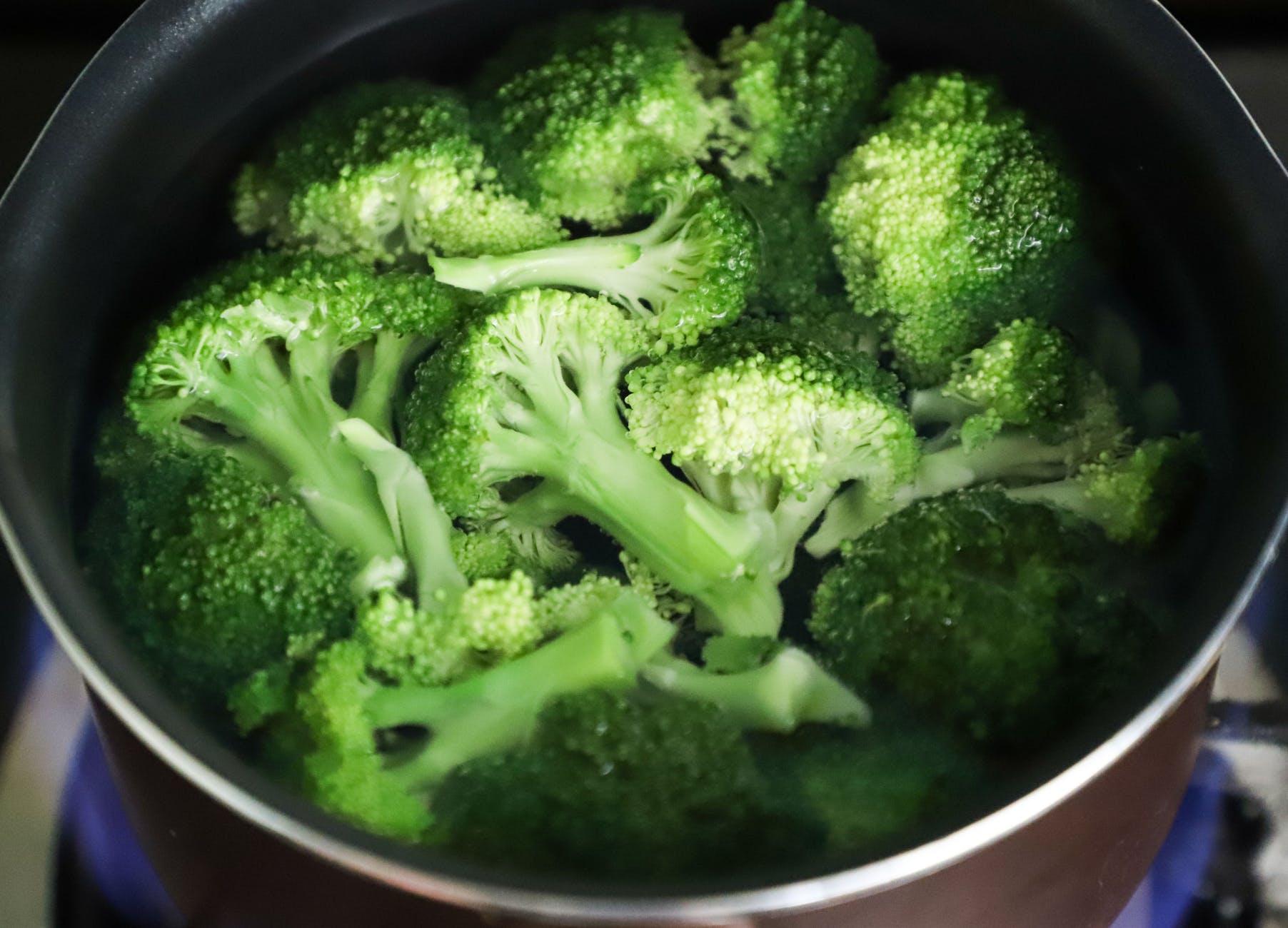
Published in the British Journal of Nutrition the research has found higher consumption of cruciferous vegetables, such as broccoli, Brussels sprouts and cabbage, is associated with less extensive blood vessel disease in older women.
Using data from a cohort of 684 older Western Australian women recruited in 1998, researchers from ECU’s School of Medical and Health Sciences and The University of Western Australia found those with a diet comprising more cruciferous vegetables had a lower chance of having extensive build-up of calcium on their aorta, a key marker for structural blood vessel disease.
Dr Blekkenhorst said women in this study who consumed more than 45g of cruciferous vegetables every day (e.g. ¼ cup of steamed broccoli or ½ cup of raw cabbage) were 46 percent less likely to have extensive build-up of calcium on their aorta in comparison to those consuming little to no cruciferous vegetables every day.

 lifeunderwriter.net
You must be logged in to post a comment.