A Plant-based Diet may Lower type 2 Diabetes Risk

Findings  In this systematic review and meta-analysis of prospective observational studies assessing the association between plant-based dietary patterns and risk of type 2 diabetes among adults, higher adherence to plant-based dietary patterns was associated with a lower risk of type 2 diabetes; this association was strengthened when healthy plant-based foods, such as fruits, vegetables, whole grains, legumes, and nuts, were included in the pattern. Findings were broadly consistent in several prespecified subgroups and in sensitivity analyses.

Take this link to the JAMA Internal Medicine article.

Take this link to the Harvard T.H. Chan press release.

 

Meet the six-legged superfoods: Grasshoppers top insect antioxidant-rich list

Meet the six-legged superfoods: Grasshoppers top insect antioxidant-rich list

A new study has measured antioxidant levels in commercially available edible insects. Among the findings: crickets pack 75 percent the antioxidant power of fresh orange juice, and silkworm fat twice that of olive oil.

pexels-photo-511069

Yum!  Well, unless…

Is eating bugs any morally different than eating cows?

Do snakes have morals?

Nutrition Labels — Do You Read Them?

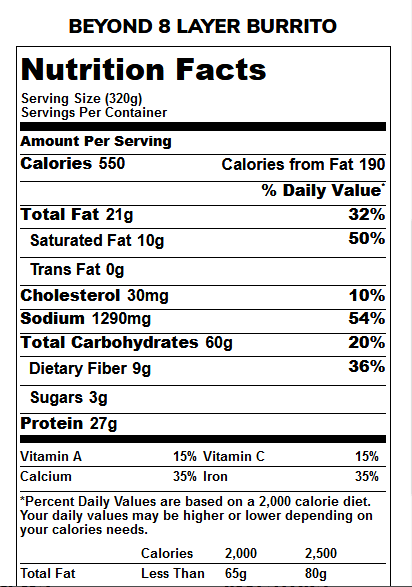
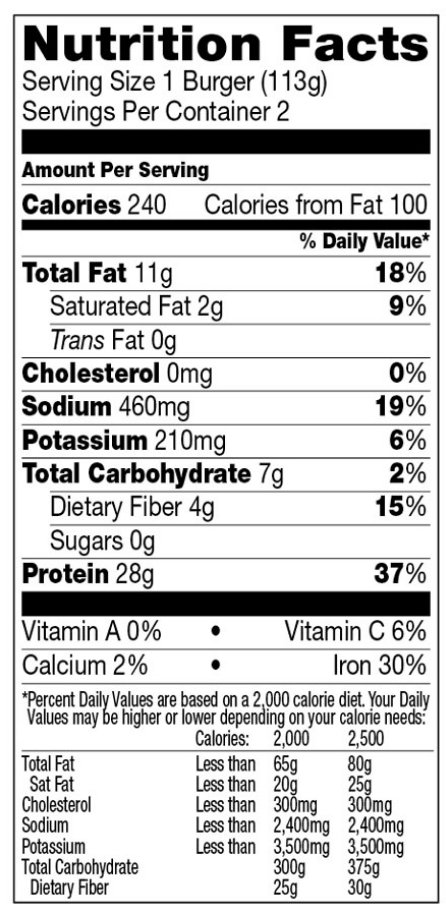
The following is not an endorsement of either product but simply nutrition labels for educational purposes.  I am not compensated for my efforts on this blog.  DISCLAIMER:  I did download an app to my phone and got the burrito for FREE.

Both food products are meat free.  The burrito is prepared with cheese and sour cream.  The second Nutrition Facts represents a commercially prepared veggie burger, no bread or bun.

Screenshot_2019-07-03 DEL TACO


Screenshot_2019-07-09 All American Veggie Burgers Dr Praeger's Sensible Foods

Take Home Lesson:

  1. Fast food is fast food.  Even when it’s missing the meat.
  2. Add a bun.  Add some toppings.  Eating at home makes eating healthier easier.

Association of Sugary Beverage Consumption With Mortality Risk in US Adults – JAMA Network Open

Association of Sugary Beverage Consumption With Mortality Risk in US Adults

Question – Is the consumption of sugary beverages (ie, sugar-sweetened beverages and fruit juices) associated with an increased mortality risk?

Findings – In this cohort study of 13 440 black and white adults 45 years and older observed for a mean of 6.0 years, each additional 12-oz serving/d of sugary beverages was associated with an 11% higher all-cause mortality risk, and each additional 12-oz serving/d of fruit juice was associated with a 24% higher all-cause mortality risk. Similar associations were not observed for sugary beverage consumption and coronary heart disease mortality.

Meaning – These results suggest higher consumption of sugary beverages, including fruit juice, is associated with increased mortality.

Half of the study population came from the Stroke Belt/Buckle.

Sweet tea, fried chicken and a stick of butter in almost everything else.

I like to go past the headlines and read the research.  Enjoy!

Is it really reasonable to obtain the recommended calcium intake on an unfortified and strictly vegan diet? — Nutritional revolution

It all started with an argument. Opening the refrigerator door. I say to my wife, scowling, “Why do we have so much cheese? We have talked about this.” Compared to milk, cheese is less nutrient dense and contains more calories. 1,211 more words

via Is it really reasonable to obtain the recommended calcium intake on an unfortified and strictly vegan diet? — Nutritional revolution

How to Feel Old While Attending an Elite University’s Summer Writing Workshop

Guest Blogger's avatarThe Brevity Blog

jenny.klionBy Jenny Klion

Acknowledge that you are, in fact, the oldest living being in your class, older probably than the classroom itself, and definitely older than your eye-candy teacher.

If and when you are not the object of any classmate’s romantic or sexual affection: let it go. You had your turn, and you did it well. Remember that at one time, you too might have wondered who that random older woman was—the one looking to get laid at the summer writing workshop.

Realize you may miss out on some late night social intrigue, since you have opted out of staying in the dorms due to the nightmare scenario of shared coed bathrooms. Harken back to the time when you knew you were done doing circus work, because you ultimately couldn’t live without porcelain.

Know that your work may scream Boomer themes and concerns—your poor little rich girl saga, for example—and…

View original post 253 more words

Increased Mortality Risk Associated With Red Meat Consumption

Eating More Red Meat Lately? You May Want to Reconsider That

Adults who up their red meat intake may face increased mortality risk, suggests an analysis in The BMJ.

The analysis included over 80,000 U.S. health professionals (about two-thirds women) who completed numerous food-frequency questionnaires over two decades. Researchers examined whether changes in red meat consumption over 8 years were associated with mortality risk in the subsequent 8 years. People with histories of cardiovascular disease or cancer were excluded.

During follow-up, some 14,000 participants died. After multivariable adjustment, those who increased their red meat consumption by more than 0.5 servings a day saw a significant 10% increase in mortality risk — regardless of their baseline intake.

Decreases in red meat consumption were associated with decreased mortality risk — but only when they were accompanied by increases in other proteins or plant-based foods like fish, nuts, or whole grains.

BMJ article link below.

Association of changes in red meat consumption with total and cause specific mortality among US women and men: two prospective cohort studies