My Statin Comes From India

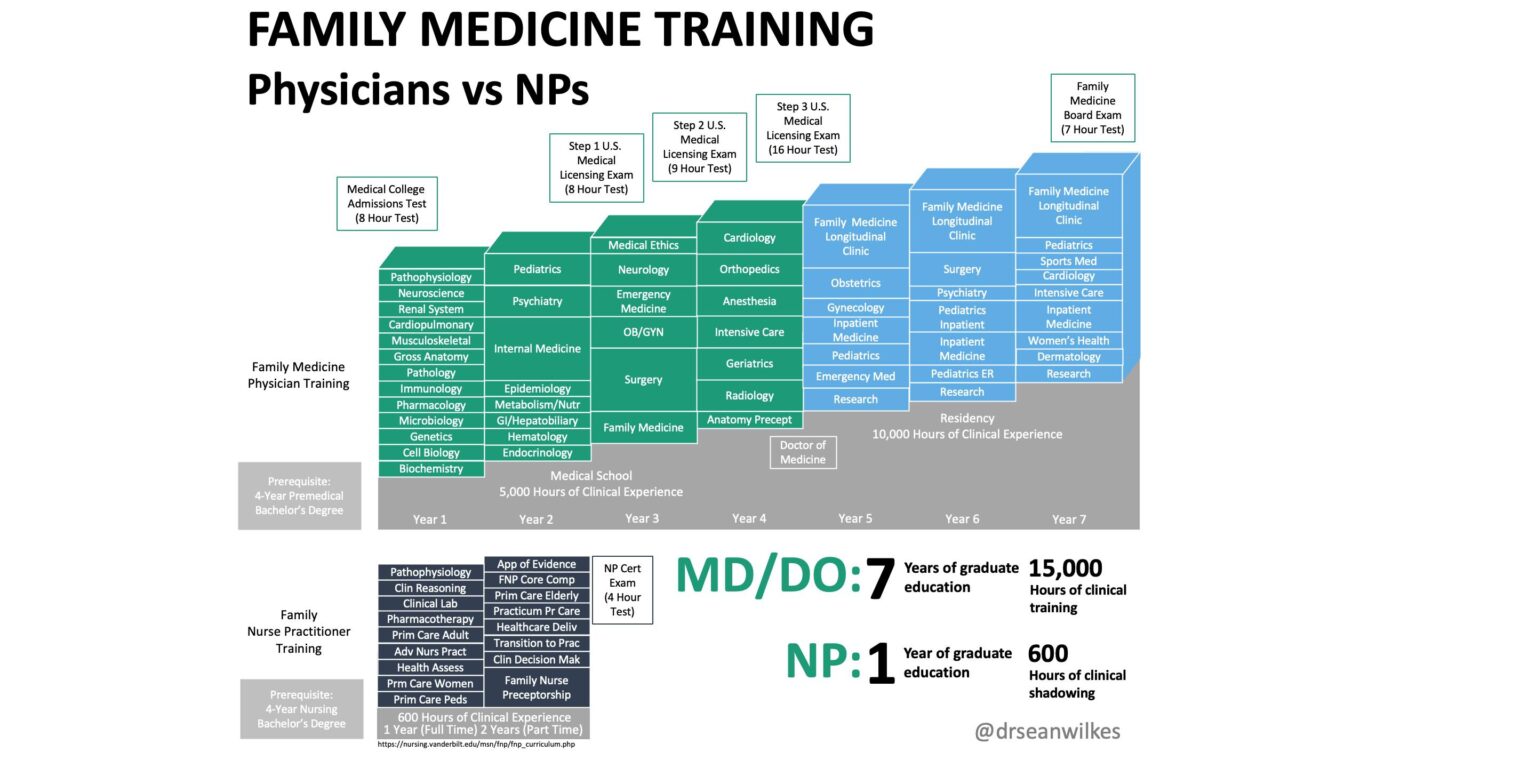
According to the USP, the bulk of the APIs come from India. That country is responsible for 50% of the active pharmaceutic ingredients. China is not far behind at 32%. The European Union supplies 10%. That’s a big change since 2000. Back then, European countries like France, Germany, Switzerland and Denmark supplied 42% of the APIs. Drug Recalls From India – Can You Trust Foreign-Made Generics?https://www.peoplespharmacy.com/articles/more-drug-recalls-from-india-do-you-trust-foreign-made-generics

Dozens of companies received approval from the FDA over the years to sell metoprolol and bupropion in the U.S. Yet from 2018 to 2024, the agency reported running only 2 tests on metoprolol and 7 on bupropion through its quality surveillance program — in each case, by pulling a sample from a single drug maker. In many of those years, the drugs weren’t tested at all, FDA records show. Those that were assessed received passing results. The FDA Often Doesn’t Test Generic Drugs for Quality Concerns, So ProPublica Didhttps://www.propublica.org/article/fda-generic-drug-testing

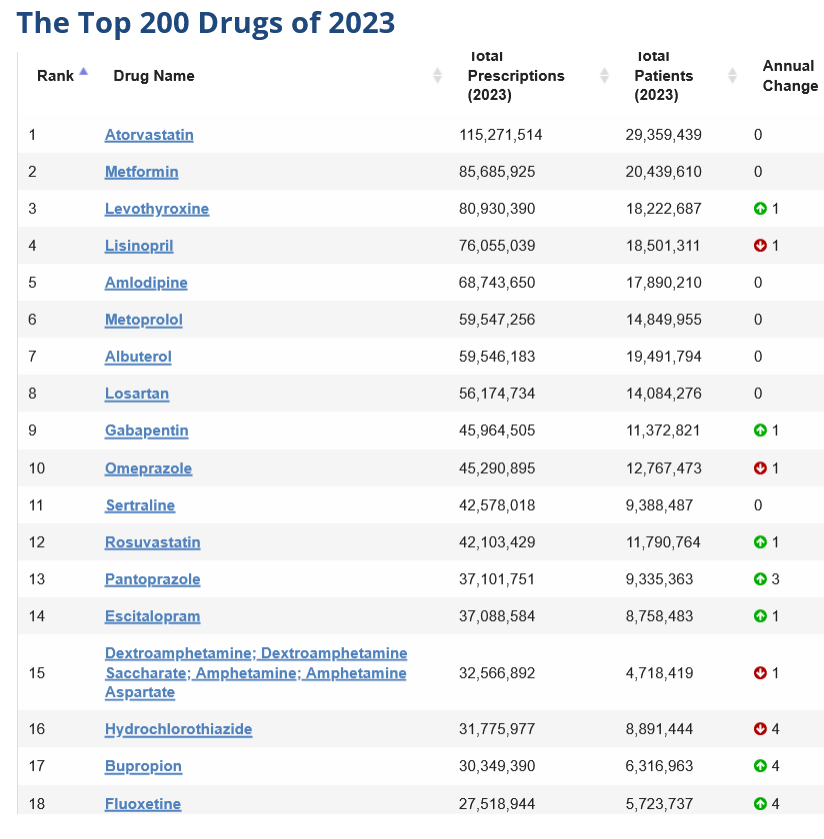
ClinCalc DrugStats Databasehttps://clincalc.com/DrugStats/

Both articles are long reads but worth your time.

Yikes.

Scary Charts – 12.04.25

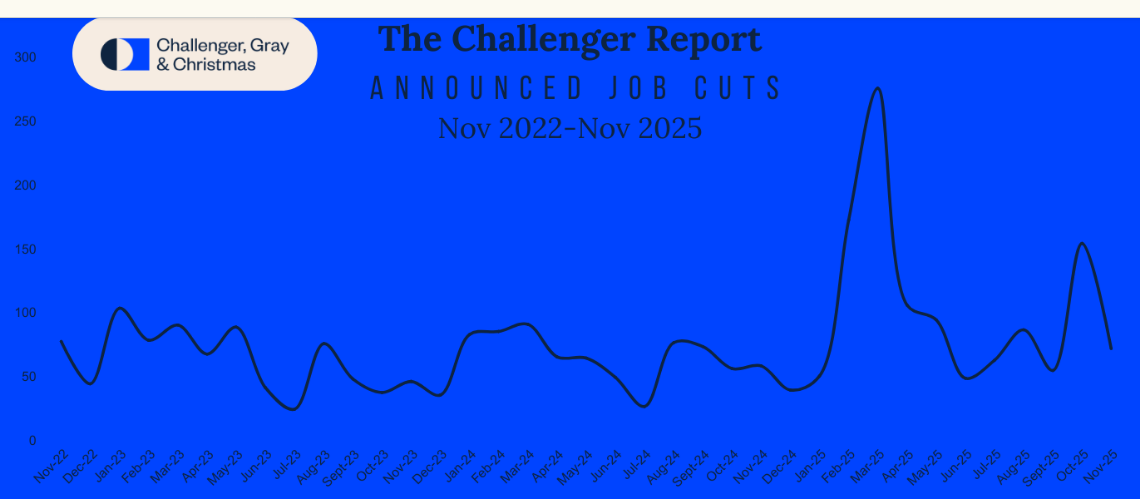
Through November, employers have announced 1,170,821 job cuts, an increase of 54% from the 761,358 announced in the first eleven months of last year. Year-to-date job cuts are at the highest level since 2020 when 2,227,725 cuts were announced through November. It is the sixth time since 1993 that job cuts through November have surpassed 1.1 million. Challenger Report: 71,321 Job Cuts on Restructurings, Closings, Economy https://www.challengergray.com/blog/challenger-report-71321-job-cuts-on-restructurings-closings-economy/

Yikes.

In my less than illustrious career I’ve suffered 100% reductions in income multiple times. Hopefully the newly unemployed have some form of a fallback plan.

Stay safe. It’s fugly out there.

Scary Charts 12.01.24

Office CMBS Delinquency Rate Spikes to 10.4%, Just Below Worst of Financial Crisis Meltdown. Fastest 2-Year Spike Everhttps://wolfstreet.com/2024/11/30/office-cmbs-delinquency-rate-spikes-to-10-4-just-below-worst-of-financial-crisis-cre-meltdown-fastest-2-year-spike-ever/

Yikes.

The world’s worst countries for binge-drinking https://www.statista.com/chart/5357/the-worlds-worst-countries-for-binge-drinking/

Yikes.

Which Lifestyle Changes Can Make You Live Longer?https://www.statista.com/chart/31766/reduction-in-the-risk-of-premature-death-after-age-40-when-sticking-to-the-lifestyle-factors/

Yikes.

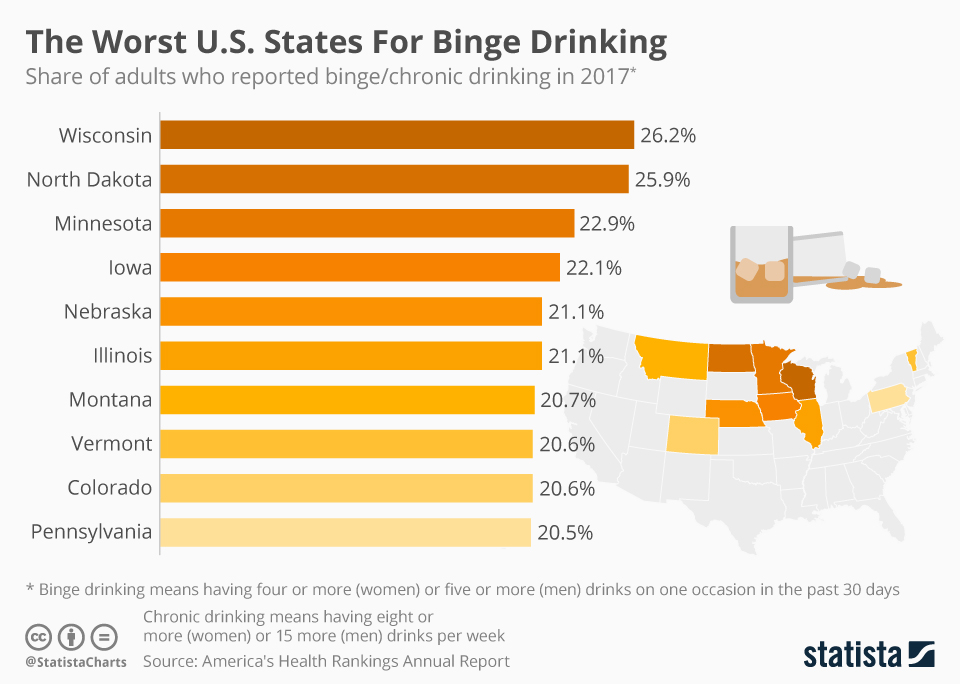
The Worst U.S. States For Binge Drinkinghttps://www.statista.com/chart/12345/the-worst-us-states-for-binge-drinking/

Yikes. But a great day for Scary Charts!

A Broad Range of Flexible Retirement Arrangements

A Phased Retirement Program

Emory University is one of the few employers that offers a phased retirement program. Here’s a breakdown of how its program works:

  • The phased retirement commitment must be for a defined duration, spanning a minimum of six months to a maximum of three years.
  • Throughout this period, you’ll adjust your work hours, reducing them by anywhere from 10% to 50%, while maintaining a minimum of 20 hours per week.
  • By participating, you agree to retire at the end of the specified time frame.
  • Your pay will be adjusted to reflect the reduced workload during phased retirement.

Source: Phased Retirement: What Does It Mean And How Does It Work? — https://www.thepennyhoarder.com/retirement/phased-retirement/

Sign me up (when I’m ready).

Scary Charts – 08.19.23 (just a few loosely connected stories)

Every employee probably knows the difference between productive work and what a new report by software company Slack calls performative work – merely looking but not actually being busy. The data in the release shows that workers in some Asian countries – namely India, Japan and Singapore – seem to spend more time appearing to be working than employees in other places.

While Indians spent 43 percent of time in performative work, that number was 37 and 36 percent in Japan and Singapore, respectively. For comparison, U.S. respondents and those from Germany said they only appeared busy for 28 and 29 percent of the time. One outlier in Asia was South Korea, also with a low of 28 percent of work hours spent in “pretend mode”.

Who’s Only Looking Busy at Work? — https://www.statista.com/chart/30591/performative-productive-work/

And now we have a new productivity mantra…

Now that you’ve taken a break and worked on the root causes of your problem, it’s time to embrace a whole new mindset around work, money, and success. This is going to sound radical, but I want you to give yourself permission to achieve less.

The latest productivity mantra that we all need: ‘Achieve less’ — https://fortune.com/2023/08/16/latest-productivity-mantra-achieve-less-careers-mental-health-stress/

But The Boss may not agree with this new mantra…

While the debate over productivity in a remote office setting continues, one Australian woman is fighting back against her employer after being accused of not typing enough while working remotely.

Remote Employee Fired for ‘Low Keystroke Activity’ During Working Hours After 18 Years of Employment — https://www.entrepreneur.com/business-news/remote-worker-fired-for-low-keystroke-activity/457578

There’s a new description of the ideal job…

A lazy-girl job is any job that can be done from home within the standard 9-to-5 and has undemanding tasks and easygoing managers.. the jobs pay enough money ($60,000 to $80,000) for a young adult to live off but not feel pressure to work above their contracted hours.”

The term was coined in May 2023 by Gabrielle Judge, a 26-year-old career influencer. Judge told The Wall Street Journal that she was aware the word lazy would have a negative connotation, but she wanted to spark a conversation. “Lazy-girl jobs aren’t roles where you can slack off,” she said, “but career paths where your work-life balance should feel so awesome that you almost feel like you’re being lazy.”

Lazy-Girl Jobs Are Trending with Gen Z—Here’s How to Find One — https://www.rd.com/article/lazy-girl-jobs/

“Lazy-girl job” is one of the worse uses of the English language I’ve encountered because the use of the word “lazy” is bad. Really bad. The definition of any job done from home with undemanding tasks and easygoing managers is also bad. Really, really bad. A friend once told me the key to his success. With most jobs and careers the majority of us will be average performers (think bell curve). All you need to do to put yourself on the path to success is to be a little better than average. This lazy girl job thing is cultural acceptance of average or worse than average.

Working hard is not a guarantee of success. But not working hard is a guarantee of failure.
Going Back to the Office? (You Can’t. Not now. Not Ever)

People with talent and high-value skills, like most technology workers, aren’t returning to traditional offices.

How to lure employees back to the office? You can’t. Not now. Not ever. — https://www.zdnet.com/article/they-really-arent-going-back-work-from-home-is-here-to-stay/

I started working from home in 2006. I love reading articles on topics I already know a lot about.

The future of knowledge work will be a hybrid. A small percentage (like myself) will WFH 100% of the time and an even smaller percentage will work in an office 100% of the time. Most will travel to their offices a few times a month and WFH the rest of the time.

I drove a 2006 Ford Taurus for nearly 15 years and didn’t pass 80,000 miles. (short commute)

My business casual attire consists of jeans and a tee shirt.

Coffee is cheaper and tastes a lot better than office coffee too.