Low Magnesium Levels Do What?

Scientists from the University of South Australia measured blood samples from 172 middle aged adults, finding a strong link between low magnesium levels and high amounts of a genotoxic amino acid called homocysteine. University of South Australia. “Low magnesium levels increase disease risk.” ScienceDaily. http://www.sciencedaily.com/releases/2024/08/240812123307.htm (accessed August 13, 2024).

Journal Reference:

Varinderpal S. Dhillon, Permal Deo, Michael Fenech. Low magnesium in conjunction with high homocysteine increases DNA damage in healthy middle aged Australians. European Journal of Nutrition, 2024; DOI: 10.1007/s00394-024-03449-0

Whole grains, dark green leafy vegetables, nuts, beans, bananas, avocados and dark chocolate are magnesium-rich foods.

    Just 2-4 Cups of Fruits and Veggies Does What?

    Lowers blood pressure, improves kidney health, improves CVD risk factors.

    In a randomized control trial over a five-year period, investigators divided the cohort of 153 patients with hypertension into three groups:

    1. Study participants adding 2-4 cups of base-producing fruits and vegetables in addition to their usual daily food intake
    2. Study participants prescribed NaHCO3 (acid-reducing sodium bicarbonate, which is common baking soda) tablets in two daily doses of 4-5 650 mg tablets
    3. Study participants receiving standard medical care from primary care clinicians

    The results of the study show that both fruits and vegetables and NaHCO3 improved kidney health, but only fruits and vegetables, and not NaHCO3, reduced blood pressure and improved indices of cardiovascular disease risk.

    The trial supports fruits and vegetables as foundational hypertension treatment to reduce chronic kidney disease progression and cardiovascular disease risk.

    Elsevier. “Eating more fruits and vegetables to reduce dietary acid lowers blood pressure and improves kidney and heart health in patients with hypertension.” ScienceDaily. http://www.sciencedaily.com/releases/2024/08/240806131316.htm (accessed August 11, 2024).

    Journal Reference:

    1. Nimrit Goraya, Nicolaos E. Madias, Jan Simoni, Maninder Kahlon, Nazan Aksan, Donald E. Wesson. Kidney and Cardiovascular Protection Using Dietary Acid Reduction in Primary Hypertension: A Five-Year, Interventional, Randomized, Control Trial. The American Journal of Medicine, 2024; DOI: 10.1016/j.amjmed.2024.06.006

    I had two cups of fruit in my breakfast bowl this morning.

    What did you eat for breakfast?

    The T2D-GENE Trial

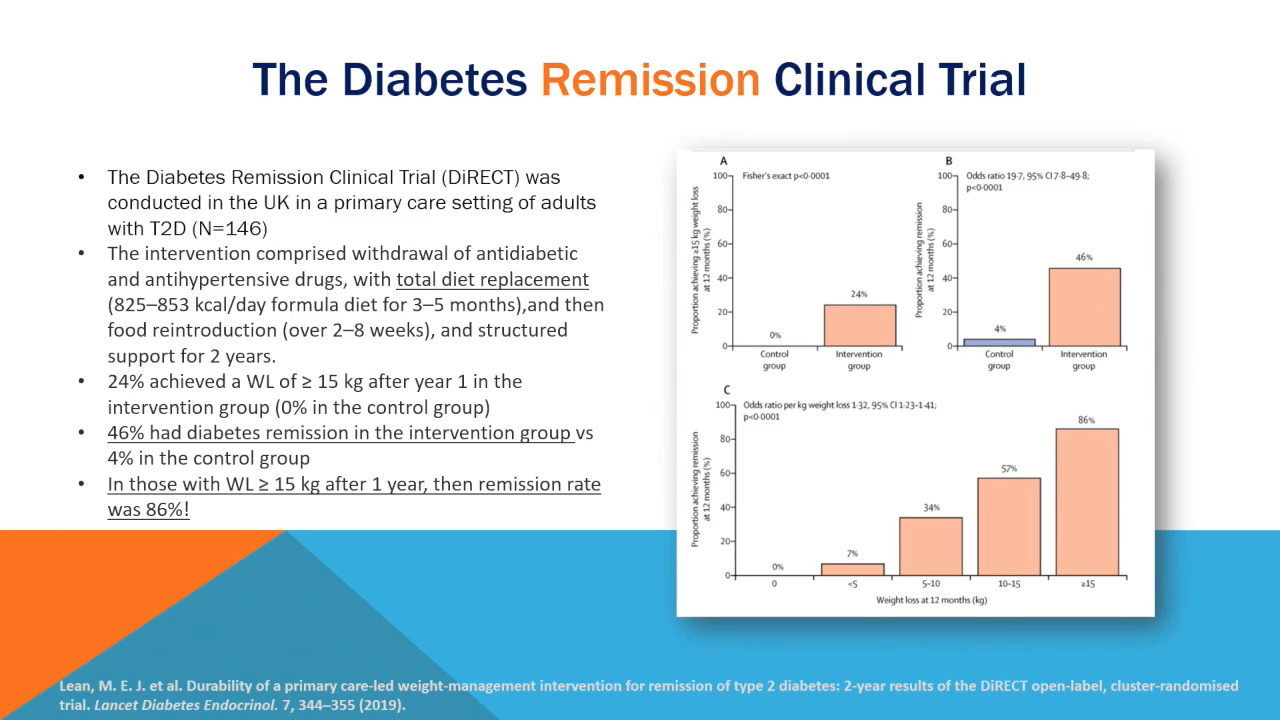
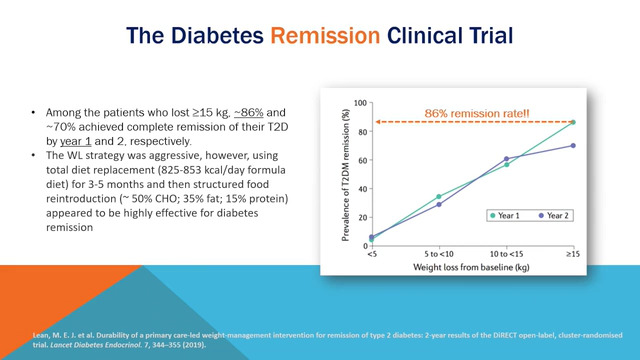
    The prevalence of type 2 diabetes was significantly lower in the lifestyle intervention group than in the control group.

    University of Eastern Finland. “Type 2 diabetes can be prevented by diet and exercise even in individuals with a high genetic risk.” ScienceDaily. http://www.sciencedaily.com/releases/2024/08/240807122749.htm (accessed August 10, 2024).

    Effects of Genetic Risk on Incident Type 2 Diabetes and Glycemia: The T2D-GENE Lifestyle Intervention Trial – The Journal of Clinical Endocrinology & Metabolism, dgae422, https://doi.org/10.1210/clinem/dgae422

    Remember, Stay as Thin as You Can as Long as You Can.

    Sensational yet Obvious! Time Restricted Eating Works!

    Photo by Tim Mossholder on Pexels.com

    In a randomized-controlled trial, people who followed a time-restricted diet lost about the same amount of weight as people who ate the same diet without the time restriction, according to a study published Friday in Annals of Internal Medicine…nutrition experts Krista Varady and Vanessa Oddo of the University of Illinois wrote in an editorial accompanying the study. “Using a controlled feeding design, Maruthur and colleagues show that TRE is effective for weight loss, simply because it helps people eat less.” It’s cutting calories—not intermittent fasting—that drops weight — https://arstechnica.com/science/2024/04/its-cutting-calories-not-intermittent-fasting-that-drops-weight-study-suggests/

    You learn something old every day.

    Diet Until Proven Otherwise

    According to a study published in BMC Medicine, men who ate the most plant-based foods had a 22 percent reduced risk of colon cancer, compared with those who ate the least. Eating a plant-based diet increases consumption of fiber and antioxidants associated with cancer prevention, while simultaneously avoiding the compounds in animal products linked to cancer risk. It has long been known that people who avoid meat are at reduced risk.

    The power of nutrition in cancer prevention — https://www.kevinmd.com/2024/02/the-power-of-nutrition-in-cancer-prevention.html

    Also schedule that colonoscopy you’ve been putting off.

    Plant Based Diets and Covid-19

    Of the total participants, 47 percent reported having had COVID-19 infection. The omnivorous group had a significantly higher incidence of infection (52 percent vs. 40 percent) and were more likely to experience moderate to severe symptoms (18 percent vs. 11 percent).

    After adjusting for influential factors such as weight, pre-existing medical conditions, and physical activity levels, there was no overall difference in symptom severity between the groups. However, those following predominantly plant-based or vegetarian diets were 39-percent less likely to become infected than their omnivorous counterparts.

    The researchers suggest that plant-based diets may contribute to a boosted immune system and better defense against viral infections due to their richness in antioxidants, phytosterols, and polyphenols.

    Plant-Based Diets Linked to 39 Percent Lower COVID-19 Infection Rate, Study Findshttps://vegnews.com/vegan-news/plant-based-diet-low-covid-19-infection-rate-study

    Link to the original study Vegetarian and plant-based diets associated with lower incidence of COVID-19 — https://nutrition.bmj.com/content/early/2024/01/02/bmjnph-2023-000629

    Eat more plants.

    What’s Your Vitamin D Status?

    The precursors for vitamin D are reduced as we age. By age 70, our ability to produce vitamin D is about half of what it was at age 20. D is in scarce supply in our regular diets. Most milk and some juices, milk alternatives and cereals are fortified with D, but other dietary sources — fatty fish like mackerel and sardines, and some mushrooms — aren’t exactly a staple in most American diets. As a result, nearly 1 in 4 people in the U.S. have inadequate blood levels of vitamin D3, the most active form.

    How Is Your Vitamin D Status – link above

    Yikes.

    Nature Wants Us to be Fat

    Evidence that Obesity and Diabetes are Driven by a Diet-Induced Biological Switch: How it Works and How it Might be Prevented — https://www.vumedi.com/video/evidence-that-obesity-and-diabetes-are-driven-by-a-diet-induced-biological-switch-how-it-works-and-h/

    Blog post title is the same as the title of Dr. Richard J. Johnson’s book. The link takes you to a video that is approximately 37 minutes long. Enjoy!