Yikes. https://jamanetwork.com/journals/jama/fullarticle/2842972
The increasing rate of mental health disorders among children and adolescents is a concerning trend that has been observed for several decades, with survey studies revealing dramatic increases in anxiety, depression, and suicidal ideation.1 In the United States, suicide ranks as the second leading cause of death for those aged 10 to 19 years and the third leading cause of death for those aged 15 to 24 years.2 Antidepressant Prescriptions and Mental Health – https://publications.aap.org/pediatrics/article/153/3/e2023064677/196661/Antidepressant-Prescriptions-and-Mental-Health
Between January 2016 and December 2022, the monthly antidepressant dispensing rate increased 66.3%, from 2575.9 to 4284.8. Before March 2020, this rate increased by 17.0 per month (95% confidence interval: 15.2 to 18.8). The COVID-19 outbreak was not associated with a level change but was associated with a slope increase of 10.8 per month (95% confidence interval: 4.9 to 16.7). The monthly antidepressant dispensing rate increased 63.5% faster from March 2020 onwards compared with beforehand. In subgroup analyses, this rate increased 129.6% and 56.5% faster from March 2020 onwards compared with beforehand among females aged 12 to 17 years and 18 to 25 years, respectively. In contrast, the outbreak was associated with a level decrease among males aged 12 to 17 years and was not associated with a level or slope change among males aged 18 to 25 years. Antidepressant Dispensing to US Adolescents and Young Adults: 2016–2022 – https://publications.aap.org/pediatrics/article/153/3/e2023064245/196655/Antidepressant-Dispensing-to-US-Adolescents-and?autologincheck=redirected
Between 2020 and 2022, antidepressant prescriptions for girls aged 12-17 skyrocketed by 130%. Antidepressants Increase 130% for Teen Girls, Drop 7% For Boys – https://brownstone.org/articles/antidepressants-increase-130-for-teen-girls-drop-7-for-boys/
Yikes.
The latest study, published in Nature Human Behaviour today, used data from more than 14.8 million people in Taiwan, Denmark and Sweden. It examined the proportion of people in those couples who had one of nine psychiatric disorders: schizophrenia, bipolar disorder, depression, anxiety, attention-deficit hyperactivity disorder, autism, obsessive–compulsive disorder (OCD), substance-use disorder and anorexia nervosa…
The team found that when one partner was diagnosed with one of the nine conditions, the other was significantly more likely to be diagnosed with the same or another psychiatric condition. Spouses were more likely to have the same conditions than to have different ones, says co-author Chun Chieh Fan, a population and genetics researcher at the Laureate Institute for Brain Research in Tulsa, Oklahoma.
Spouses tend to share psychiatric disorders – https://www.nature.com/articles/d41586-025-02772-8
Yikes.
Artificial intelligence can be an oxymoron. And dangerous for some humans.
What Is ChatGPT? Everything You Need to Know About OpenAI’s Popular Chatbot – https://www.pcmag.com/explainers/what-is-chatgpt-everything-you-need-to-know-about-openais-popular-chatbot
ChatGPT has been found to encourage dangerous and untrue beliefs about The Matrix, fake AI persons, and other conspiracies, which have led to substance abuse and suicide in some cases. A report from The New York Times found that the GPT -4 large language model, itself a highly trained autofill text prediction machine, tends to enable conspiratorial and self-aggrandizing user prompts as truth, escalating situations into “possible psychosis.” ChatGPT touts conspiracies, pretends to communicate with metaphysical entities — attempts to convince one user that they’re Neo – https://www.tomshardware.com/tech-industry/artificial-intelligence/chatgpt-touts-conspiracies-pretends-to-communicate-with-metaphysical-entities-attempts-to-convince-one-user-that-theyre-neo
ChatGPT Is Telling People With Psychiatric Problems to Go Off Their Meds – https://futurism.com/chatgpt-mental-illness-medications
In certain cases, concerned friends and family provided us with screenshots of these conversations. The exchanges were disturbing, showing the AI responding to users clearly in the throes of acute mental health crises — not by connecting them with outside help or pushing back against the disordered thinking, but by coaxing them deeper into a frightening break with reality…Online, it’s clear that the phenomenon is extremely widespread. As Rolling Stone reported last month, parts of social media are being overrun with what’s being referred to as “ChatGPT-induced psychosis,” or by the impolitic term “AI schizoposting“: delusional, meandering screeds about godlike entities unlocked from ChatGPT, fantastical hidden spiritual realms, or nonsensical new theories about math, physics and reality. An entire AI subreddit recently banned the practice, calling chatbots “ego-reinforcing glazing machines that reinforce unstable and narcissistic personalities.” People Are Becoming Obsessed with ChatGPT and Spiraling Into Severe Delusions – https://futurism.com/chatgpt-mental-health-crises
Yikes.
Studies have estimated that hoarding disorder affects around 2.5% of the general population — a higher rate than schizophrenia. The mental illness was previously considered a sub-type of obsessive-compulsive disorder, but in 2013 it was given its own diagnostic criteria in the Diagnostic and Statistical Manual of Mental Disorders, the DSM-5.
For Seniors With Hoarding Disorder, a Support Group Helps Confront Stigma and Isolation – https://kffhealthnews.org/news/article/hoarding-disorder-support-groups-pennsylvania-baby-boomers/
Yikes.
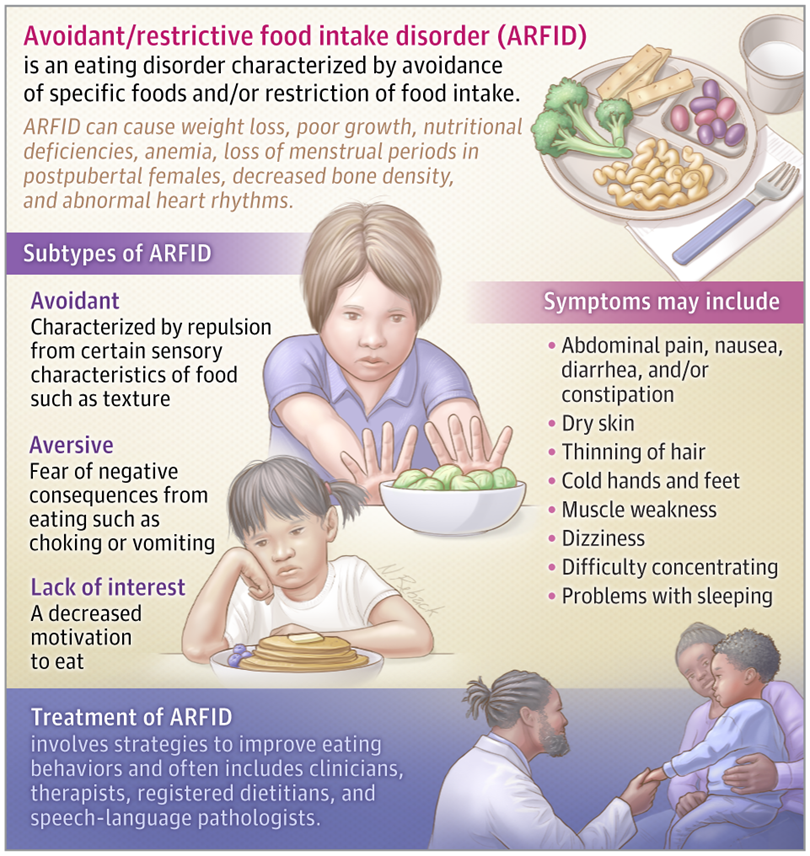
An analysis of hospital data by the Royal College of Psychiatrists showed that hospital admissions for eating disorders had increased by 84% in the past five years, reaching a total of 24 268 admissions. Some 11 049 more admissions were recorded in 2020-21 than in 2015-16. The number of young people with eating disorders rose by 90% in the five year period analyzed, from 3541 to 6713 episodes, with a 35% increase in the past year alone. Boys and young men showed a 128% rise in hospital admissions, from 280 in 2015-16 to 637 in 2020-21.
One in five deaths of people with anorexia nervosa is due to suicide, and all eating disorders see high rates of self-harm and depression. Eating disorders: Guidance is issued to doctors after 84% rise in past five years – BMJ 2022; 377 doi: https://doi.org/10.1136/bmj.o1256 (Published 19 May 2022)
Need help? https://www.nationaleatingdisorders.org/get-help/
As mental well-being has remained largely static across the world since 2021, so too have the rankings of countries. At the top of the rankings are many Latin American and African countries while much of the core Anglosphere ranks in the bottom quartile. With national wealth indicators such as per capita GDP negatively correlated with average mental well-being scores (see our 2021 report), this year we have made substantial progress in our understanding of why this is so. Two key findings published in Rapid Reports in 2023 show that younger age of first smartphone ownership and ultra-processed food consumption are two major contributors to our mental health challenges. In wealthier countries, the age of first smartphone ownership is much younger and ultra-processed food consumption much higher. Other contributing factors are the relatively diminished family relationships in wealthier countries that are highlighted in our 2022 annual report. The Mental State of the World in 2023 – https://mentalstateoftheworld.report/2023_read/
Another Sunday morning, just reading and connecting the dots.
I’ve downloaded several of these reports and plan to do a deep dive later.
Read these reports and think about it.
Now do something about it.
Published in the Journal of Social and Clinical Psychology, the most recent study linking poor mental health conditions to social media use has added even more evidence to back up the theory. The researchers from the University of Pennsylvania intentionally designed their experiment to be more comprehensive than previous studies on the topic. Rather than relying on short-term lab data or self-reported questionnaires, they recruited 143 undergraduate students to share screenshots of their Phone battery screens over a week to collect data on how much they were using social media apps including Facebook, Snapchat, and Instagram.
Earlier this year I felt it was important to Put The Phone Down….
With increasing scientific evidence you need to put the phone away.
Unless you want a self-imposed endless cycle of depression and misery.
There’s always Wellbutrin.
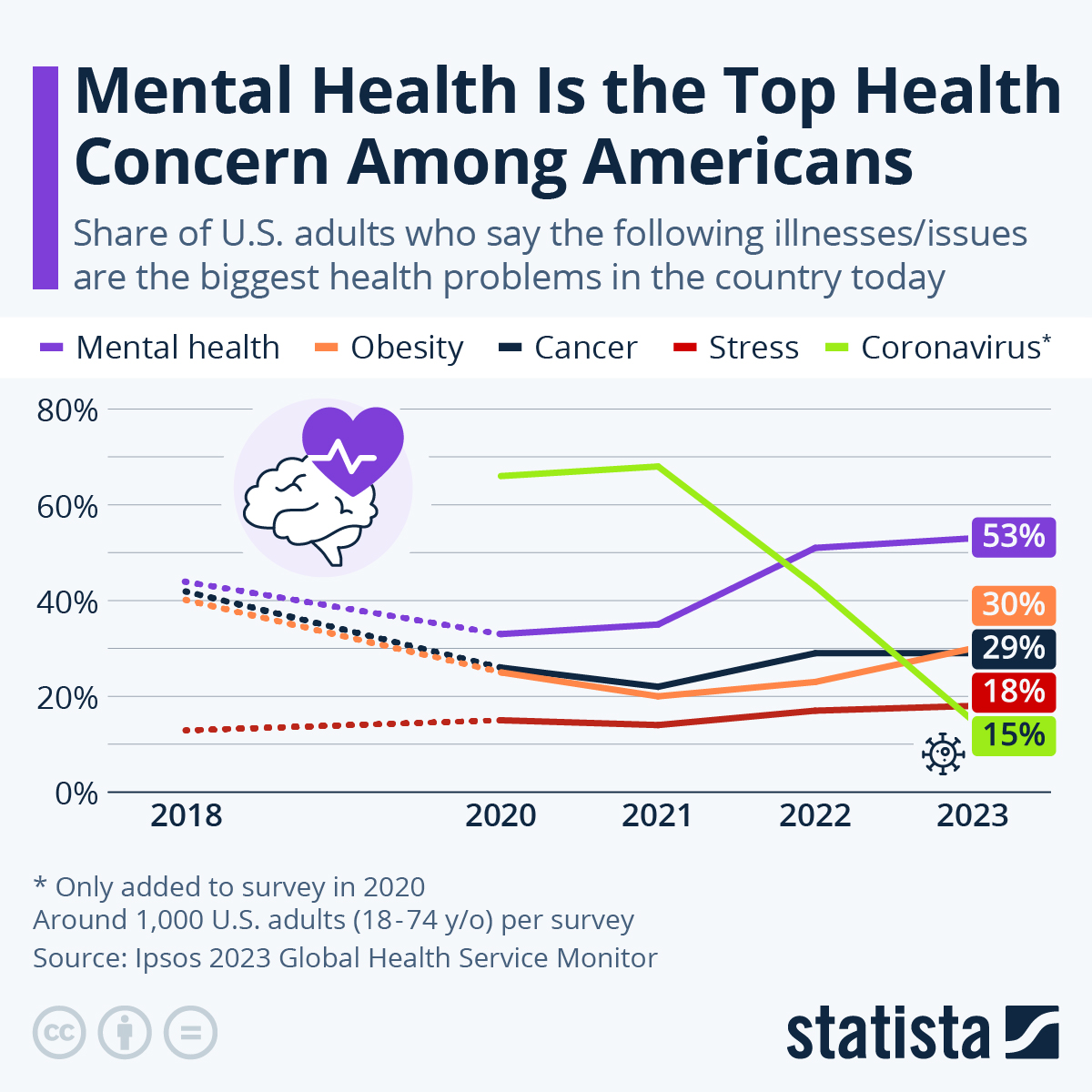
For more charts go to the source article.

 lifeunderwriter.net
You must be logged in to post a comment.