JAMA Network | JAMA | The 2014 Ebola Outbreak.
The case fatality rate currently stands at 53% in this current outbreak.
JAMA Network | JAMA | The 2014 Ebola Outbreak.
The case fatality rate currently stands at 53% in this current outbreak.
Public opinion surveys consistently show pessimistic views of the economy for the broad mass of people. Growing numbers believe the Great Recession led to a permanent change in the economy, which is probably something less than true – with few exceptions, these wage and income trends have been consistent since the late 1970s. But the other questions in this Rutgers poll appear right on the mark. Almost eight in ten Americans knew somebody laid off between 2008-2012. For leading indicators like low unemployment, affordable higher education, and job and retirement security, the majority of Americans think they will never see positive progress for many years. Just 16 percent of respondents thought job and career opportunities would be better for the next generation, a figure nearly four times lower than from 1999.And we can chalk this up to the wisdom of crowds, because the public happens to be right. It is harder to get a job out of college. It is harder to avoid the trap of underemployment. It is harder to prosper in the career you want. It is harder to save amid stagnant wages. It is harder to grow as an economy when the gains flow to the top. It is harder to secure enough reserves for a dignified retirement.
Facts are facts and these are the facts.
The charts are ugly. But they tell us what we already know.
US income and wealth inequality facts of the day | FT Alphaville.
The Federal Reserve has just released its Survey of Consumer Finances for the year 2013.
These surveys occur every three years, so this is the first comprehensive update we have gotten about the distribution of income and wealth in the US since the economy hit bottom four years ago.
The most striking finding is that the median American family earned 5 per cent less in 2013 than in 2010 after inflation even though the average American family took home 4 per cent more.
“The job of the leader isn’t just to make decisions, it’s to make sense.”
John Seely Brown
The Scary Charts in Mish’s article paint a vivid picture of where this country and economy are headed. It’s not a pretty picture.
Check out this chart from MMWR. It’s shocking.
An Ugly Secular Trend in Part-Time Work
via A Lost Generation | Thoughts from the Frontline Investment Newsletter | Mauldin Economics.
It’s been a while since I posted a link to some Scary Charts. You want Scary Charts? Read this online post and you’ll see plenty of Scary Charts.
Guest Post: The Economy In Pictures | Zero Hedge.
How Rock ‘N’ Roll Can Explain The U.S. Economy : It’s All Politics : NPR.
Saturday morning, a little exercise, a lot of coffee, time to catch up on the news. Then it dawned on me: I haven’t posted any Scary Charts in a while. Click the first link above and feast your eyes. Then read the article on NPR to remind yourself…
It’s only rock and roll but I like it.
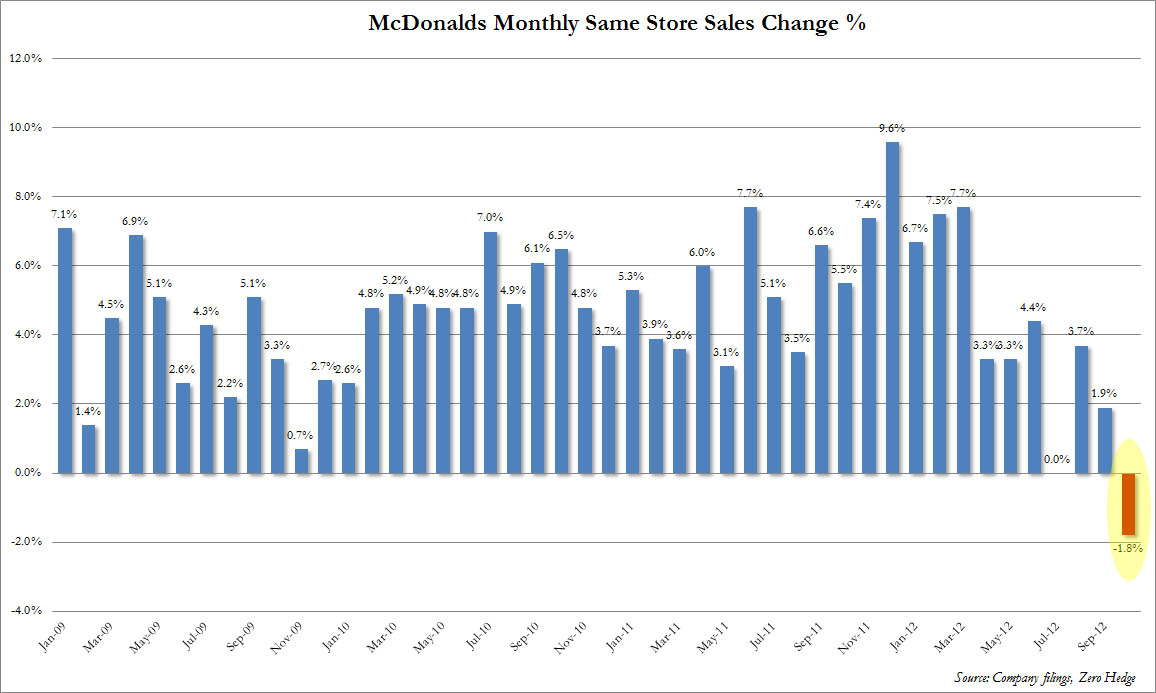
Holy Crap Batman!
So our question is: at what point does the perpetually self-deluded US population finally admit to itself that when even 99 cent meals are no longer affordable, that this country has a problem?
via Chart Of The Day: When $0.99 Becomes Unaffordable, We Have A Problem | ZeroHedge.
It has been a long, long time since I had a Scary Chart post. Well, your wait is over.

I am part of the green line. Click through below for an excellent analysis.
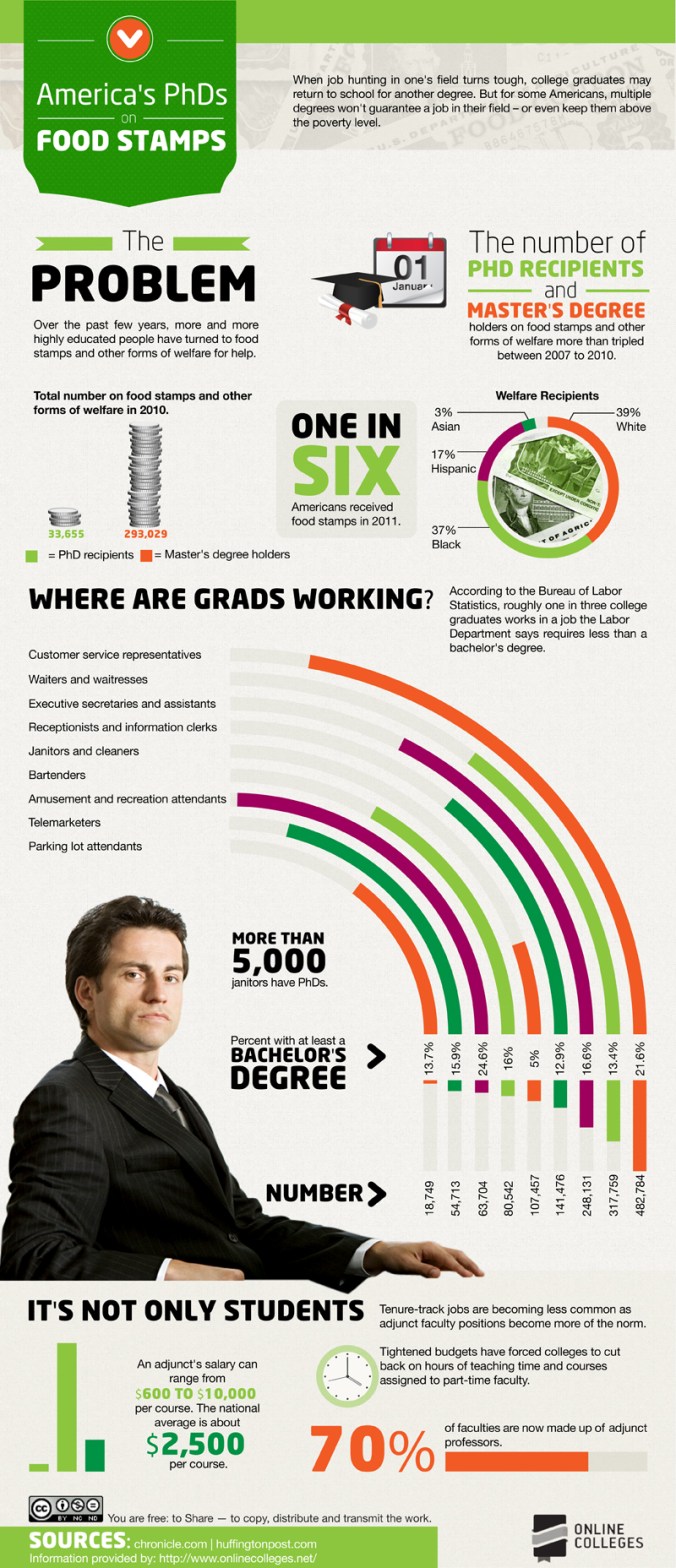
 lifeunderwriter.net
You must be logged in to post a comment.