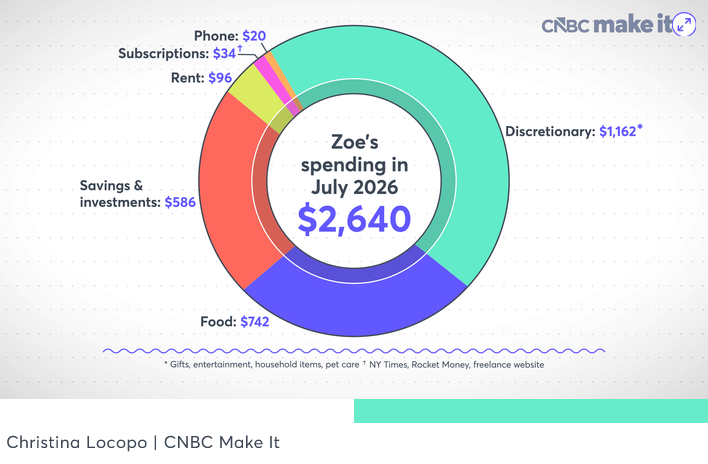
De La Paz has $96 deducted from her paycheck every month for her employee lodging, which covers her bed in a dorm room she shares with up to two roommates, as well as Wi-Fi and utilities. Dorm living comes with a communal bathroom, laundry facilities, common areas and social events.
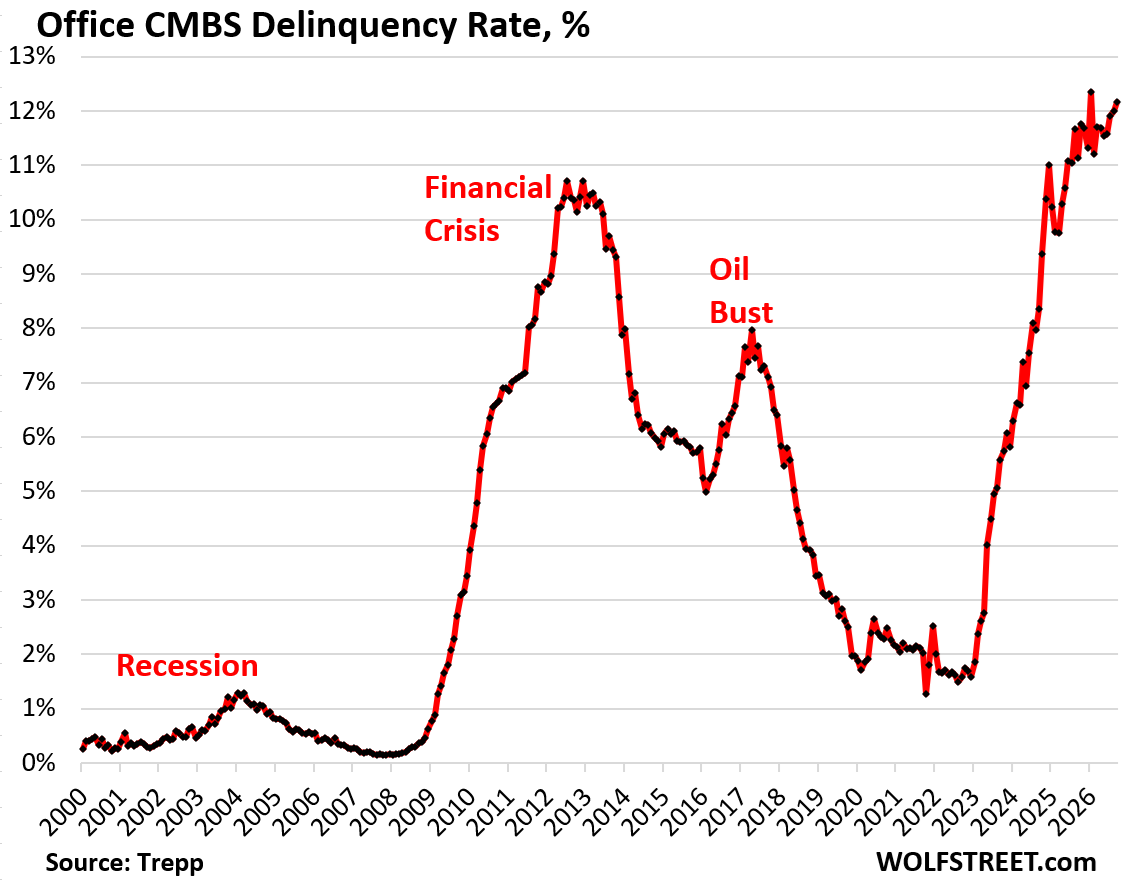
It’s as simple as this: as long-term interest rates continue moving higher, virtually every important piece of financial math gets worse, all at the same time.
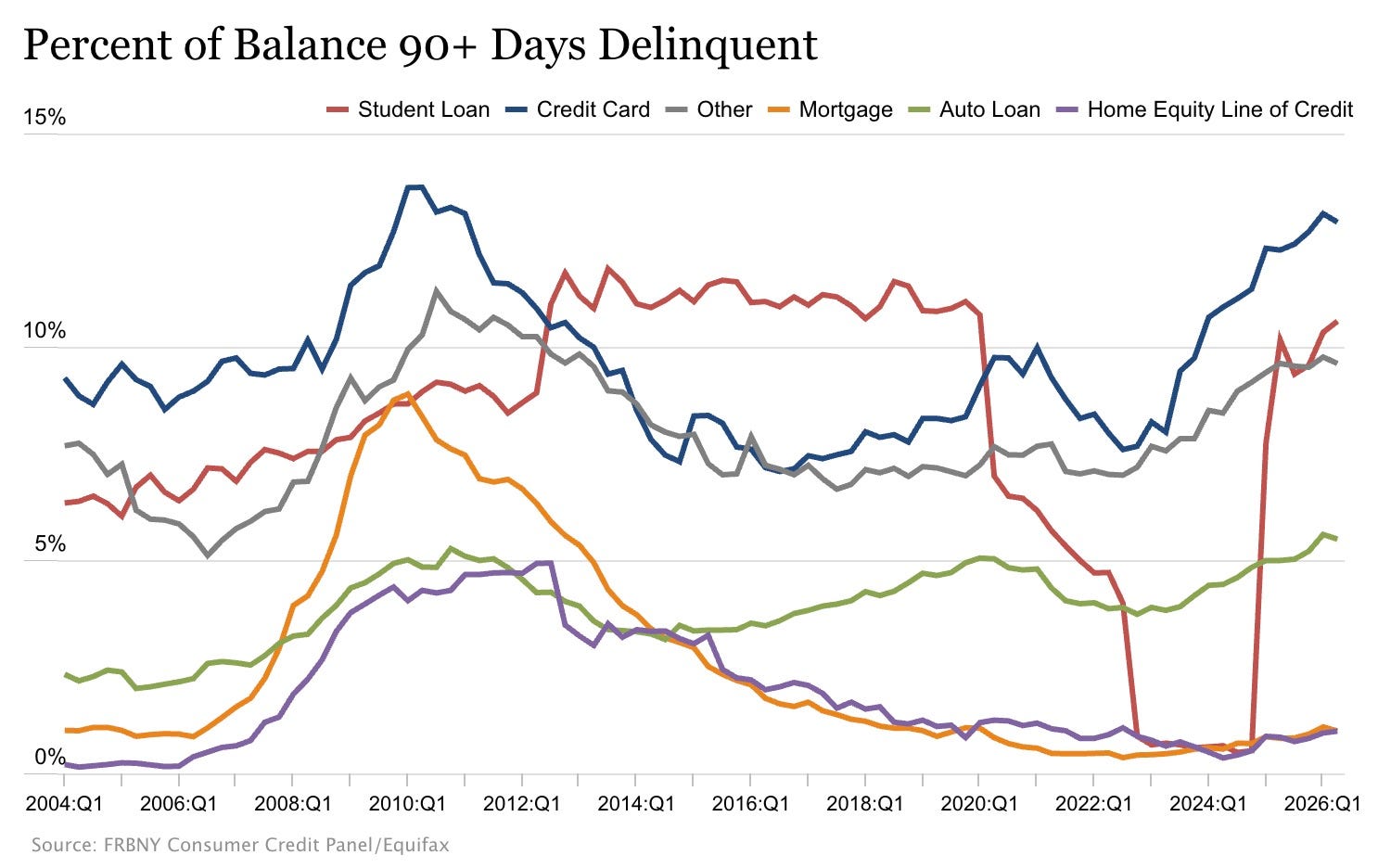
The discount rate used to value stocks rises, which makes future earnings worth less today. Mortgages get more expensive. Corporate borrowing gets more expensive. Private equity deals and private credit…much of which is already FUBAR but not showing it yet…become harder to finance. Leveraged companies have to refinance debt at higher rates. Consumers pay more to borrow and the federal government pays more to service its enormous pile of debt.
Gas in bay park San Diego today BAHAHHAHAHAH 8.99 regular 9.99 diesel (probably higher that’s just as high as the sign can go hahahaha) pic.twitter.com/2B5yMVe8mP
Another quiet Saturday and thoughts turn to retirement (again). Today I thought about retirement income streams and how life would look once I stopped working. We need to find someplace affordable.
In California, Hawaii, and Massachusetts, retirees often need between $1.5 million and $2.2 million to maintain their lifestyles, according to a 2026 study by GoBankingRates. By contrast, Oklahoma is the most affordable state, with $735,284 the baseline for a comfortable retirement. Mississippi and Arkansas follow closely, with targets remaining under $810,000. What Is the Magic Number to Retire Comfortably? – https://www.kiplinger.com/retirement/magic-number-to-retire-comfortably
OK. Check that box off the list. My thoughts then turned towards what age would be a good age to retire. My former manager wanted me to stick around for five years. The last time I saw my current manager he told me a story of his grandfather working until he was 80. You hear stories of more people working into their later years and I wondered, at what age do people really retire?
Drawing on a nationally representative survey of 1,591 U.S. adults ages 22–75, this research uncovers a five-year difference between when current retirees, on average, actually left the workforce (age 57) and when future retirees expect to retire (age 62), with half of those planning to retire anticipating they’ll need to delay even further. Future retirees are shifting away from traditional income sources like Social Security and pensions, planning instead to rely more heavily on personal savings and continued employment. Career interruptions remain a significant but underappreciated threat to retirement security, as half of U.S. adults have left the workforce for more than a year.
The entire study Bridging retirement expectation gaps New evidence and insights can be downloaded here:
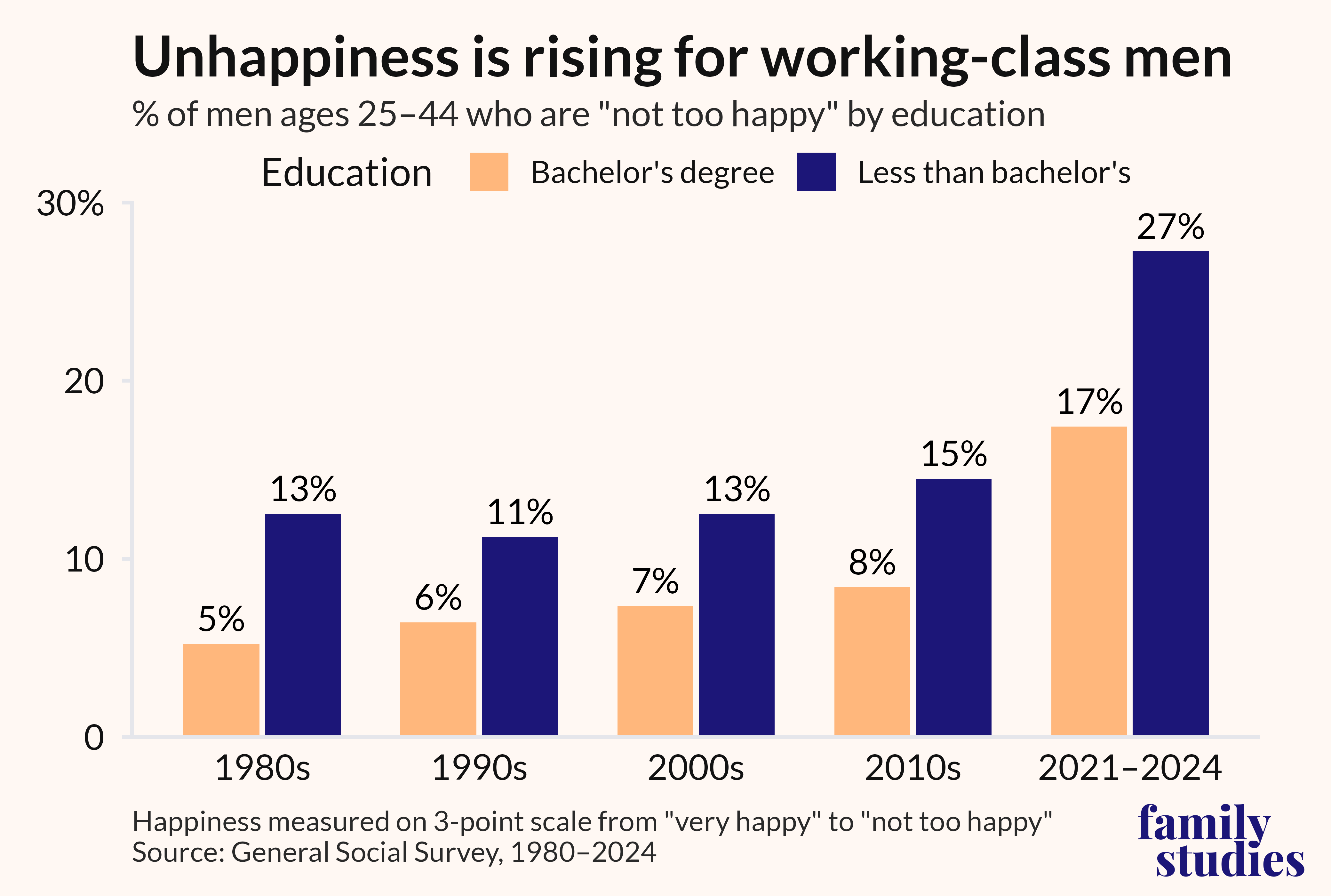
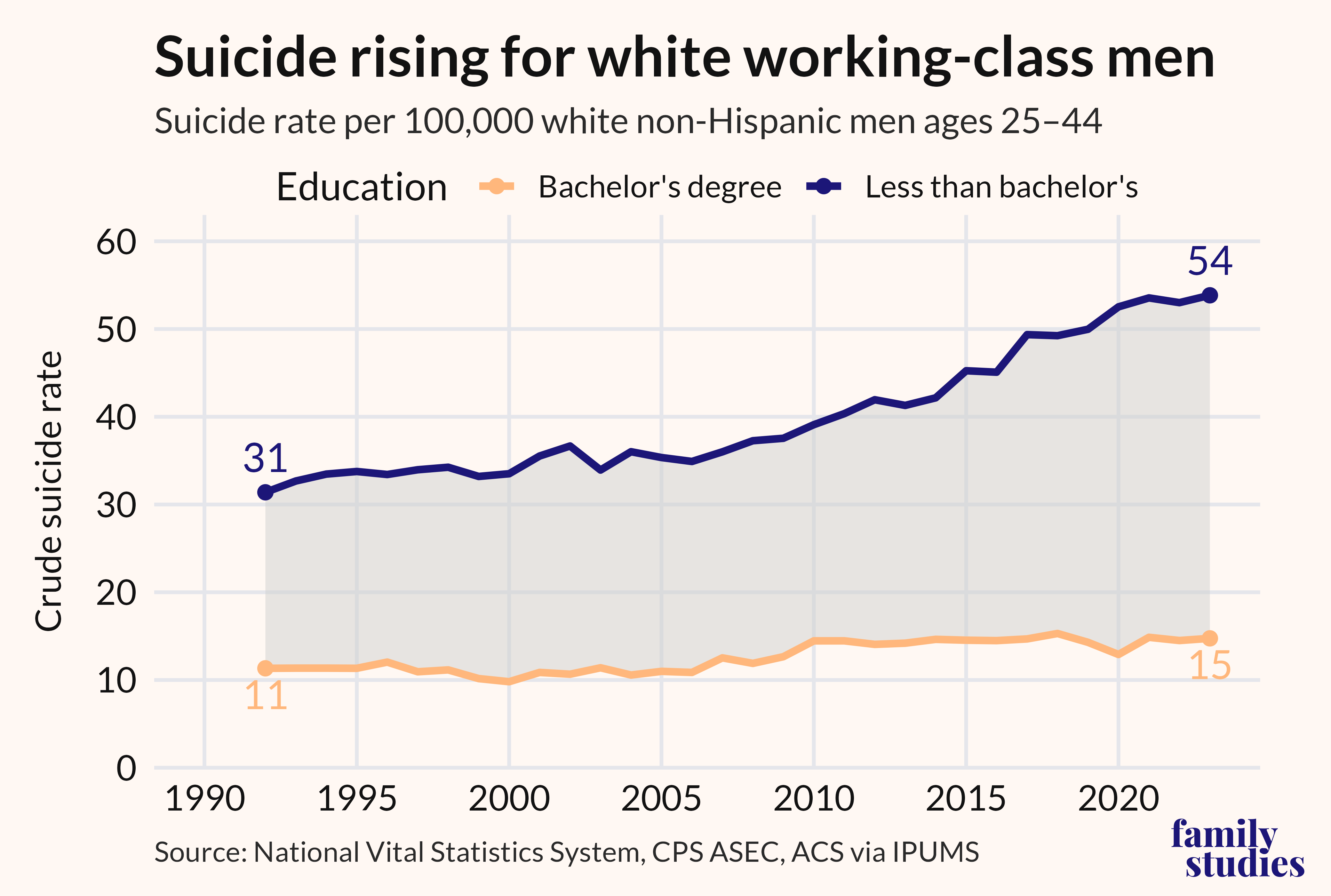
The class disparity in happiness is nothing new. The GSS data reveal that college-educated men were happier than their less-educated peers going back to the 1980s. And while the GSS shows somewhat steady levels of happiness from the 1980s through the 2000s, other well-being metrics suggest rising discontent in earlier decades. Mortality data, for instance, shows a steady and concerning rise in what researchers call “deaths of despair”—fatalities attributable to drug overdoses, suicide, and alcoholism. The rise in “deaths of despair” has been especially dramatic among white working-class men. Our analysis of death records and population estimates finds that the suicide rate per 100,000 white non-Hispanic men ages 25 to 44 has risen from 31 in 1992 to 54 in 2023, a shocking 71% increase over just three decades.
The entire study and more scary charts can be downloaded here:
This study was supported by award no. 1R01MH137646-01 from the National Institute of Mental Health and the National Institutes of Health to S.A.K. and A.R. The funders had no role in study design, data collection or analysis, decision to publish or preparation of the manuscript. Birth order and disease risk across the human phenome – https://www.nature.com/articles/s44360-026-00177-z#Abs1
Today, three PBMs, CVS Caremark (34% market share), Express Scripts (23%, owned by Cigna’s Evernorth), and Optum Rx (22%, owned by UnitedHealth Group), control nearly 80% of all U.S. prescription claims. In exchange for placing a manufacturer’s drug on the formulary, or giving it preferred status over competing therapies, the PBM negotiates rebates, administrative fees, and performance payments from the manufacturer. A portion of those payments flows back to the health plan, while the PBM retains part of the negotiated revenue.
One feature of today’s market that surprises many people is how vertically integrated it has become. The largest PBMs are no longer independent middlemen. They sit inside healthcare conglomerates that also own insurers, pharmacies, physician groups, specialty pharmacies, and mail-order pharmacies. For example, CVS Health owns Aetna, CVS Caremark, CVS Pharmacy, MinuteClinic, and Signify Health. UnitedHealth Group owns UnitedHealthcare, Optum Rx, and Optum Health. Cigna owns Express Scripts through Evernorth. This consolidation has fueled ongoing debate about whether these organizations can optimize each part of the supply chain independently or whether incentives increasingly favor the parent company as a whole. Mark Cuban on Breaking the Drug Pricing Cartel: Inside Cost Plus Drugs – https://pearhealthcareplaybook.substack.com/p/mark-cuban-on-breaking-the-drug-pricing
You must be logged in to post a comment.