Lawyers Smell Blood in EMR – Computerworld

One recent lawsuit involved a patient who suffered permanent kidney damage when he was given an antibiotic to treat what was thought to be an infection resulting in elevated creatinine levels. The patient was also suffering a uric kidney stone, which precludes the use of the antibiotic. Because of the complexity of the EHR, none of the attending physicians noticed the kidney stone.

Detracting from the EMR’s validity was the fact that a date related to a previous intravenous drip was repeated over and over on all 3,000 pages of the record.

While his physicians claimed they’d documented his care properly, the EMR was so complex and filled with repetitive data, the judge found it in inadmissible. “When an electronic medical record is printed out, the amount of repetitive data in it is ridiculous,” Klein said. “Attorneys are having conferences on how to attack EMRs.

“All these cases were from top vendors. We’re talking about well-established ones used at Kaiser [Permanente], at the VA… and academic institutions,” Klein continued. “These are not rare cases. These are common things.”

“We’ve seen 92-year-old women getting diagnosed as crack addicts because of drop down menus.”

via Lawyers smell blood in electronic medical records | Computerworld.

In my daily work I see more f**k ups in electronic medical records than I’ve seen my entire career.  Et tu?

US Income and Wealth Inequality Facts – FT Alphaville and naked capitalism

Public opinion surveys consistently show pessimistic views of the economy for the broad mass of people. Growing numbers believe the Great Recession led to a permanent change in the economy, which is probably something less than true – with few exceptions, these wage and income trends have been consistent since the late 1970s. But the other questions in this Rutgers poll appear right on the mark. Almost eight in ten Americans knew somebody laid off between 2008-2012. For leading indicators like low unemployment, affordable higher education, and job and retirement security, the majority of Americans think they will never see positive progress for many years. Just 16 percent of respondents thought job and career opportunities would be better for the next generation, a figure nearly four times lower than from 1999.And we can chalk this up to the wisdom of crowds, because the public happens to be right. It is harder to get a job out of college. It is harder to avoid the trap of underemployment. It is harder to prosper in the career you want. It is harder to save amid stagnant wages. It is harder to grow as an economy when the gains flow to the top. It is harder to secure enough reserves for a dignified retirement.

via Fed Survey of Consumer Finances Shows Americans Understand Their Lousy Economic Condition | naked capitalism.

Facts are facts and these are the facts.

The charts are ugly.  But they tell us what we already know.

US income and wealth inequality facts of the day | FT Alphaville.

The Federal Reserve has just released its Survey of Consumer Finances for the year 2013.

These surveys occur every three years, so this is the first comprehensive update we have gotten about the distribution of income and wealth in the US since the economy hit bottom four years ago.

The most striking finding is that the median American family earned 5 per cent less in 2013 than in 2010 after inflation even though the average American family took home 4 per cent more.

Mish’s Global Economic Trend Analysis: Employment Perspective in Pictures: Only 25% of Decline in Fulltime Employment Attributable to Aging Workforce

Mish’s Global Economic Trend Analysis: Employment Perspective in Pictures: Only 25% of Decline in Fulltime Employment Attributable to Aging Workforce.

“The job of the leader isn’t just to make decisions, it’s to make sense.”

John Seely Brown

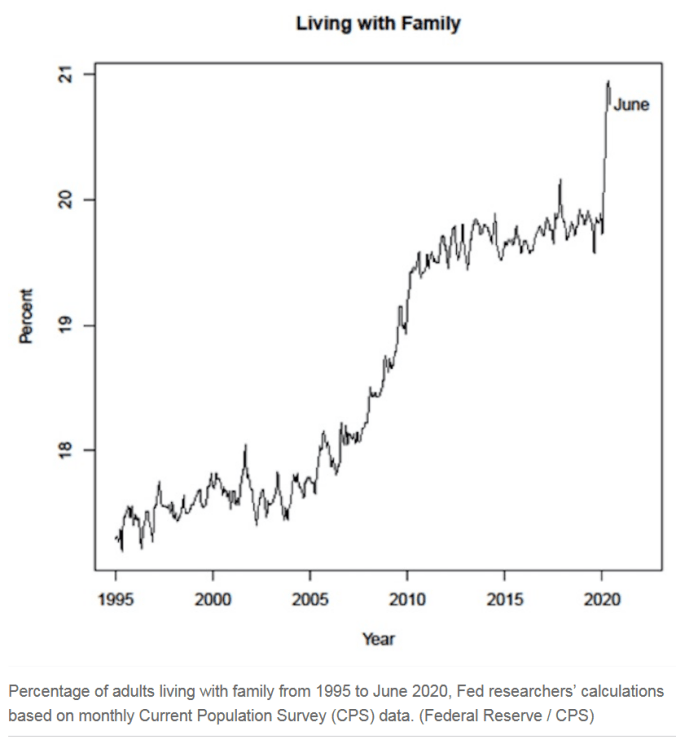
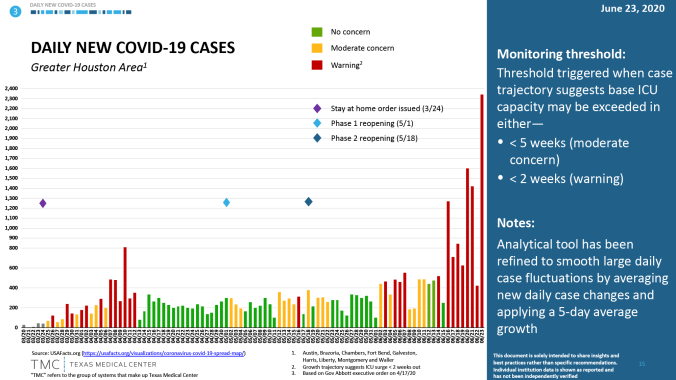
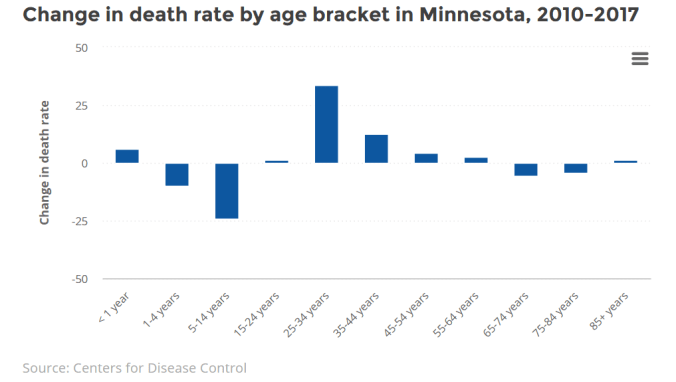
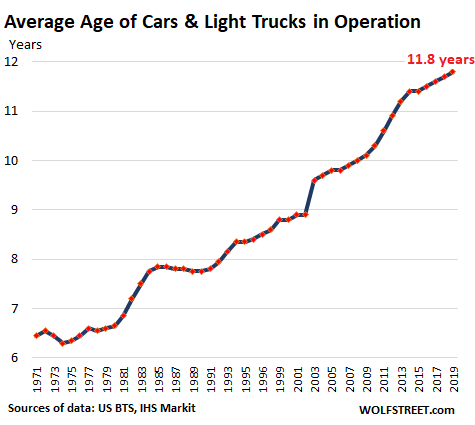
The Scary Charts in Mish’s article paint a vivid picture of where this country and economy are headed.  It’s not a pretty picture.

The Economy In Pictures and Rock and Roll

Guest Post: The Economy In Pictures | Zero Hedge.

How Rock ‘N’ Roll Can Explain The U.S. Economy : It’s All Politics : NPR.

Saturday morning, a little exercise, a lot of coffee, time to catch up on the news.  Then it dawned on me: I haven’t posted any Scary Charts in a while.  Click the first link above and feast your eyes.  Then read the article on NPR to remind yourself…

It’s only rock and roll but I like it.